
Shampoo bars look simple-just a neat little square that replaces a bottle. But the results people get can be wildly different. One person ends up with shiny, bouncy hair, and another swears bars leave “a film” or make their scalp feel off. After 20 years of working with every hair type you can imagine, I can tell you the reason is rarely luck.
A shampoo bar isn’t just shampoo without the water. It’s a solid delivery system, which means the way it touches your hair-how it dilutes, how it spreads, and how it deposits conditioning ingredients-changes the entire experience. Once you understand that, shampoo bars stop feeling hit-or-miss and start behaving predictably.
Not All “Bars” Are the Same: Soap vs. True Shampoo Bars
The first technical detail most articles skip is the difference between a bar that’s basically soap and a bar that’s formulated like modern shampoo. Traditional soap bars tend to run more alkaline, and that matters because hair generally performs best when products stay in a hair-friendly pH range (often cited around 3.5-6.5).
NOT SURE WHICH PRODUCT IS RIGHT FOR YOU?
TAKE THE QUIZTakes 30 seconds · 134,000+ customers matched
When pH creeps too high, the cuticle can lift more easily. Lifted cuticles don’t just look frizzy-they create more friction, more tangling, and can make color fade faster.
One of the reasons people do well with Viori is that the bars are designed to be pH balanced, which is a long-game decision for stronger, shinier hair over time.
The Most Overlooked Factor: Friction (Yes, Technique Changes Results)
With bottled shampoo, your hands do the work and the product is already fluid and evenly spreadable. With a bar, many people drag it directly over the hair. That direct contact introduces friction-and friction is not a minor detail when you’re talking about fragile ends, curls, or color-treated hair.
Too much friction can rough up the cuticle and cause uneven cleansing (overloading the crown and hairline while missing other areas). This is why bar technique matters more than most people realize.
The pro move (especially for color-treated hair)
If you want a more “salon” result, build lather in your hands and apply with your fingers instead of rubbing the bar on your head. Viori even recommends this approach because it helps reduce cuticle disturbance and can be gentler on color.
Why a Bar Can Feel “Coating” (and What That Usually Means)
Here’s a nuance that almost never gets explained: bars can deliver a more concentrated hit of ingredients before they fully dilute. That can be a good thing-unless you overapply.
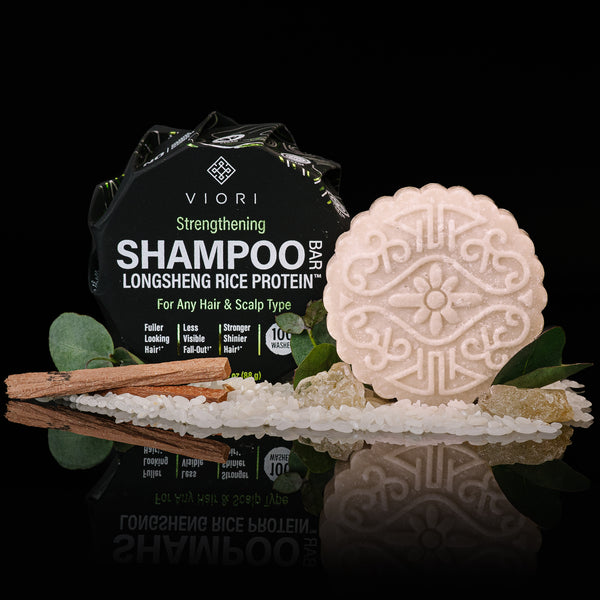
Viori uses Behentrimonium Methosulfate (BTMS), which is a conditioning ingredient (the name confuses people, but it’s not the same as harsh cleansing sulfates like SLS/SLES). BTMS is positively charged, and hair-especially damaged hair-often carries a more negative charge, so it attracts conditioning agents where they’re needed most. That’s why the right formula can leave hair smoother and easier to detangle.
But if your hair is fine or low porosity, you can end up with too much deposit if you apply heavy-handedly or don’t rinse well. When people describe “residue,” it’s frequently a dose + rinse issue, not a sign that shampoo bars “don’t work.”
The Rice Water Conversation Most People Get Wrong
Rice water is trendy for good reason, but the internet often talks about it like more is always better. In real hair, two things matter: pH stability and protein balance.
1) pH matters more than hype
High concentrations of rice water used too often can throw off the scalp and hair’s comfort zone. Viori uses a lower concentration of fermented Longsheng rice water in a pH-balanced system, aiming for rice-water-like benefits without making the routine harsher over time.
2) Protein isn’t “good” or “bad”
Protein can be amazing for hair that’s stressed, porous, or breaking. But too much protein-especially on hair that’s already strong or low porosity-can feel stiff. Viori notes that the bars use a low concentration of rice protein, designed to be gentle enough for frequent use while still supporting strength and shine.
The “Scent Isn’t Just Scent” Detail (A Rarely Discussed Performance Clue)
Most people choose a shampoo bar based on fragrance and assume the rest is identical. But certain scent profiles can come with functional differences. Viori points out that Citrus Yao contains citric acid, which helps break down oil more effectively-often making it a smart pick for a normal-to-oily scalp or anyone trying to stretch time between washes.
On the flip side, if your scalp runs dry or easily irritated, you may do better with Viori’s more moisturizing options or the Native Essence bar, which is unscented (with only a very subtle natural grain-like note if you sniff it closely).
Hard Water, Rinsing, and Why Bars Get Blamed for the Wrong Things
When someone says a shampoo bar makes their hair feel “waxy,” I immediately think about what’s happening in the shower: water minerals, how long they’re rinsing, and whether they’re overloading product in certain spots.
Two habits solve most of the common complaints:
WHAT CUSTOMERS ARE SAYING
Real reviews for Rice Water Shampoo Bar – All Hair Types | VIORI
- Rinse longer than you think you need to, especially at the nape and around the hairline.
- Let the bar dry completely between uses so it doesn’t soften and dump too much product the next time you use it.
Viori’s bamboo holders are designed to help bars air out and stay dry between washes, which helps the bar last longer and keeps usage more consistent.
How to Judge a Shampoo Bar Like a Stylist (Give It Two Weeks)
One wash isn’t enough data-especially if you’re switching routines or coming off buildup. If you want to evaluate whether a bar is a keeper, watch these markers over about 2-3 weeks:
- Cleansing curve: Does your scalp feel clean on your usual schedule? Any rebound oiliness?
- Slip in the shower: Can you detangle gently without snagging?
- Dry comb test: Does brushing feel smooth or “catchy”?
- Root volume vs. mid-length smoothness: Are you getting both, or only one?
- Scalp comfort: Any tightness, itch, or sensitivity signals?
Viori also recommends giving their bars 2-3 months before you decide they aren’t for you, because hair and scalp can take time to normalize-especially if your old routine was harsher than you realized.
A Simple Viori Routine for Salon-Level Results
If you want a clean, reliable routine that works for most hair types, keep it simple and consistent:
- Soak hair thoroughly first (bars need water to distribute evenly).
- Lather the Viori shampoo bar in your palms.
- Apply the lather to your scalp and massage with fingertips.
- Let the runoff cleanse your lengths-don’t scrub your ends.
- Use the Viori conditioner bar after washing, then rinse well.
- Store each bar where it can dry fully between uses.
Quick Viori Matching Tips (Based on Scalp Behavior)
- Oily scalp (oily in 1-2 days): Citrus Yao is often the best starting point.
- Normal scalp (oily around day 3): You can choose based on your goal-volume, softness, or balance.
- Dry or sensitive scalp (4+ days before oily, or easily reactive): Native Essence tends to be the gentlest option.
If you tell me your scalp type, hair texture (fine/medium/coarse), porosity (low/medium/high), and whether you color your hair, I can help you dial in the best Viori match-and the small technique tweaks that make the biggest difference.


