
Bar shampoo and conditioner gets labeled like skincare: “for oily hair,” “for dry hair,” “for dandruff,” “for frizz.” And if you’ve ever used a bar that made your friend’s hair look amazing but left yours feeling off, you already know the uncomfortable reality-those labels aren’t always the whole story.
Here’s the nuanced, behind-the-chair explanation: bar haircare “targets” through a mix of chemistry, scalp biology, and how you physically use the bar. The bar format adds a mechanical layer (friction, deposition, rinse behavior) that liquid products simply don’t have in the same way. That’s why results can feel wildly personal-even with a consistent, high-quality formula.
In this post, I’m going to break down what targeting really means in bar shampoo and conditioner, using Viori as a practical example-because it’s pH balanced, built around fermented Longsheng rice water, and the brand is unusually transparent about how and why different options suit different scalp types.
First, what are you targeting: your scalp or your hair?
Most people shop one product for everything, but your head is really two different zones with two different needs.
NOT SURE WHICH PRODUCT IS RIGHT FOR YOU?
TAKE THE QUIZTakes 30 seconds · 134,000+ customers matched
- Your scalp is living skin. It produces oil, sheds cells, and can get irritated or inflamed.
- Your lengths and ends are non-living fiber. They don’t “heal”-they can only be protected, smoothed, and reinforced.
This is why “combination hair” is so common. You can have an oily scalp and thirsty ends at the same time, and no single product choice makes sense unless you treat those areas differently.
Viori’s own recommendations reflect this. A classic example is the split routine: people often use Citrus Yao shampoo where oil collects (the scalp) and then choose a more moisturizing conditioner option on the ends, like Terrace Garden, Hidden Waterfall, or Native Essence.
pH is an invisible targeting tool (and it matters more than you think)
A lot of the internet still treats shampoo bars like one big category, but the chemistry can be completely different from bar to bar. One of the biggest dividing lines is pH.
Hair generally performs best in a mildly acidic environment. When products lean too alkaline, hair can swell, the cuticle can lift, and you get more friction-more roughness, more tangles, less shine.
Viori is clear that its bars are pH balanced, and that’s not just a “nice to have.” In real-world hair behavior, pH impacts:
- how much the cuticle lifts during washing
- how much drag you feel while rinsing
- how reflective (shiny) hair looks after it dries
- how calm or tight the scalp feels post-wash
So when someone says a bar “targets dryness,” it might not be about dumping more oils into the formula. Sometimes it’s simply that the bar is built to keep hair closer to a cuticle-friendly pH range.
How shampoo bars target oiliness without “stripping”
Many oily-scalp clients fall into the same cycle: they scrub harder, wash more often, and chase that squeaky-clean feeling-then wonder why their scalp gets oily again so fast. Over-cleansing can push the scalp into a rebound response (more oil, more irritation), which makes the problem feel endless.
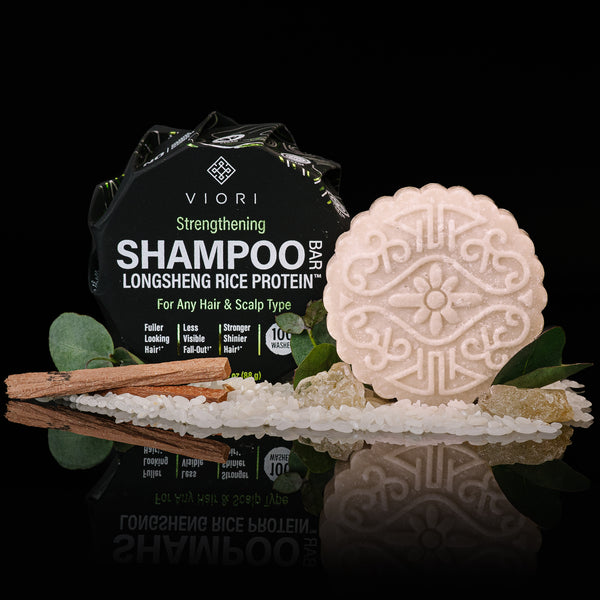
Viori shampoo bars use Sodium Cocoyl Isethionate (SCI) as the cleanser, a surfactant often described as very mild. In practical terms, that tends to translate to effective cleaning with less of the “raw” after-feel that triggers some scalps to overcompensate.
This is one of the most overlooked forms of targeting: removing sebum and buildup efficiently without provoking the scalp.
The rarely discussed lever: scent can affect performance
Most articles treat fragrance like it’s only about preference. But in a well-designed bar, the scent system can subtly shift how the product behaves-especially when certain components are associated with oil control or hydration feel.
Viori addresses this head-on: while the base formula is consistent, the scents can influence which hair types each bar tends to suit.
- Citrus Yao contains citric acid, which helps break down oil effectively-one reason it’s recommended for normal-to-oily scalps.
- Hidden Waterfall includes some citrus but is often experienced as more balanced, making it popular for normal-to-drier needs.
- Terrace Garden is commonly chosen when hair feels like it needs extra moisture support.
- Native Essence is unscented and is typically the go-to for sensitive scalps or fragrance avoidance.
This matters because a surprising number of people who say, “My scalp is oily,” are actually dealing with a scalp that’s irritated. In those cases, “targeting” may mean reducing triggers (like added fragrance) just as much as improving cleansing.
Conditioner bars target damage through charge chemistry
Conditioner bars often confuse people because they don’t lather like shampoo-and they shouldn’t. Viori even notes that conditioner’s “lather” is more of a paste-like slip than foam, because it’s not built around a cleanser.
The deeper science is this: damaged hair carries more negative charge sites. Conditioner commonly relies on cationic (positively charged) conditioning agents that are drawn to those damaged areas.
Viori’s conditioner includes Behentrimonium Methosulfate (BTMS), a cationic conditioning ingredient known for improving slip and helping hair feel smoother. This is why conditioner can feel like it’s “finding” the worst areas of your hair-because, in a sense, it is.
It also explains a common complaint: fine hair can feel weighed down when conditioner is applied too close to the scalp. That’s not the conditioner “failing”-that’s mis-targeted placement.
The bar-specific variable liquids don’t have: friction
This is the part most posts skip, and it’s where bar targeting becomes genuinely interesting. Bars introduce mechanics into your wash routine. Friction can help distribute product and lift scalp soil-but it can also rough up the cuticle if you overdo it, especially on porous or color-treated hair.
Viori gives an important technique recommendation for color-treated hair: build lather in your palms and apply with your hands rather than rubbing the bar directly on your head. That one change reduces unnecessary friction, which can help preserve color and reduce roughness over time.
A targeted way to apply bar shampoo and conditioner
- Shampoo the scalp, not the lengths. Let the runoff cleanse mids and ends.
- Use your fingertips to massage; skip aggressive scratching.
- Lather in your hands if your hair is color-treated, fragile, or tangles easily.
- Condition mids-to-ends, focusing on the most porous areas.
- Rinse longer than you think you need to-bars can encourage under-rinsing.
Fermented rice water: better as a controlled dose than a DIY “blast”
Rice water is famous for a reason, but DIY routines can get intense-too concentrated, too frequent, and not always pH-conscious. Viori explains that it uses a lower concentration of fermented Longsheng rice water because high concentrations can disrupt hair and scalp pH when overused.
That’s smart targeting. Instead of turning rice water into a harsh treatment, the goal is steady, repeatable support-paired with other nutrient-rich ingredients-so you can use it consistently without the “something feels off” phase that people sometimes experience with aggressive DIY methods.
WHAT CUSTOMERS ARE SAYING
Real reviews for Rice Water Shampoo Bar – All Hair Types | VIORI
Dandruff targeting starts with the right category: oily vs. dry
“Dandruff” is a catch-all word, but the approach should change depending on what’s actually happening at the scalp.
- For oily scalp dandruff, Viori recommends Citrus Yao shampoo and conditioner.
- For dry scalp flaking, Viori points toward Hidden Waterfall, Terrace Garden, or Native Essence shampoo options.
From a stylist perspective, this distinction matters because treating dry flaking like oiliness often makes the scalp angrier-more tightness, more shedding, more visible flakes.
The quiet saboteur of “targeting”: your water
Even with great products, water quality can change the entire experience. Hard water minerals can reduce lather, increase drag during rinsing, and leave hair feeling coated-even when you didn’t “do anything wrong.”
If hair ever feels heavy, the first fixes I try are practical, not dramatic: use less conditioner at the root area, rinse longer, keep shampoo focused on scalp, and make sure your bars dry fully between uses (Viori’s bamboo holders are designed specifically to help bars air out and stay dry between washes).
So what does “targeted” bar haircare really mean?
In the real world, bar shampoo and conditioner targeting is a system, not a label. It’s about matching chemistry (pH, cleansing, conditioning), tolerance (scent sensitivity), and mechanics (friction and placement) to your scalp and hair fiber.
If you want to make it simple, start here:
- If your scalp feels oily fast, consider Citrus Yao.
- If your scalp runs dry or easily irritated, consider Terrace Garden, Hidden Waterfall, or Native Essence.
- If fragrance is a concern, Native Essence is the most straightforward option.
- If your scalp is oily but your ends are dry, mix your shampoo and conditioner choices to match each zone.
And remember: the most “targeted” routine in the world can underperform if the application method is fighting the formula. With bars, technique is part of the product.


