
If you’ve found yourself searching for “shampoo bar wildwood”, chances are you’re not just shopping for a bar that cleans. You’re chasing a very specific end result: hair that feels fresh, airy, and effortlessly clean-like you’ve been outside all day-without the dry, squeaky aftermath that gives shampoo bars a bad reputation.
Here’s the part most posts skip: “wildwood” is usually a performance request disguised as a scent preference. That clean-forest feeling doesn’t come from fragrance alone. It comes from how a formula handles oil, how it treats the hair’s cuticle, and how calm your scalp feels day after day.
The rarely discussed truth: “Wildwood” is a scalp-and-cuticle equation
When clients describe what they want from a wildwood-style shampoo bar, I hear the same themes over and over: clean roots that last, soft ends that don’t frizz, and a scalp that doesn’t feel tight or itchy.
NOT SURE WHICH PRODUCT IS RIGHT FOR YOU?
TAKE THE QUIZTakes 30 seconds · 134,000+ customers matched
Technically speaking, that outcome is driven by three levers:
- Sebum management: lifting excess oil and grime without triggering rebound greasiness
- Cuticle control: keeping the hair surface smooth so it reflects light and tangles less
- Scalp tolerance: minimizing irritation so “clean” doesn’t feel like “stripped”
1) Not all shampoo bars behave like shampoo
One reason people love (or hate) a shampoo bar comes down to what kind of cleanser system it uses. Some bars are essentially soap-like, which can leave hair feeling rough over time. Others are built more like modern shampoo, just in solid form.
Viori uses Sodium Cocoyl Isethionate (SCI) as its main cleanser-often called “baby foam” in formulation circles because it’s known for being effective while still feeling gentle. In real-world hair terms, that typically translates to a cleaner scalp without that overly aggressive “squeak” that can set off dryness, frizz, and irritation.
Why this matters for the wildwood vibe: that light, fresh feel people want is rarely about harsh cleansing-it’s about cleaning efficiently and leaving the hair fiber in good shape afterward.
2) The secret ingredient is often pH (not a trendy extract)
If there’s one technical topic I wish got more attention in bar discussions, it’s pH. Hair and scalp are happiest when products stay in a generally hair-friendly range-too alkaline and the hair cuticle can lift, which increases friction. More friction means more tangles, more frizz, and more breakage.
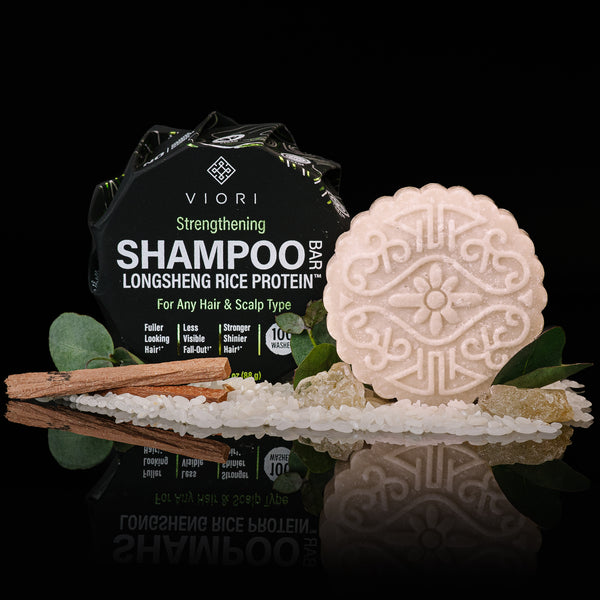
Viori states its bars are pH balanced. That’s not a throwaway line. In practical terms, pH balance supports smoother cuticle behavior, which can help hair look shinier and feel more touchable-exactly what most people mean when they say they want that “clean outdoors” finish.
3) Woodsy “clean” is as much about perception as chemistry
Fragrance is emotional, but it also changes how you use your products. A fresher, greener profile tends to make people feel cleaner longer-so they wash less often, pile on fewer styling products, and stop chasing that constant “reset.” That behavior shift can genuinely improve hair over time.
That said, fragrance is also a common variable for sensitive scalps. Viori makes this easier to navigate because you can choose based on tolerance and goal:
- Native Essence: unscented (no added fragrance), a smart pick when you want to reduce variables
- Terrace Garden: fresh, green, floral-clean and not overpowering
- Hidden Waterfall: sweet, vanilla, musk
- Citrus Yao: bright mixed citrus
One functional detail worth knowing: Viori notes that Citrus Yao contains citric acid, which helps break down oil particularly well. So in this case, the “scent family” isn’t only about smell-it can line up with how your scalp feels between washes.
4) Fermented rice water: it’s not magic, it’s method
People who gravitate toward the wildwood aesthetic often love heritage-style ingredients and simpler routines. Fermented rice water fits that mindset-but it’s easy to overdo DIY versions. High concentrations used too frequently can disrupt the balance your hair and scalp need.
Viori uses a lower concentration of Longsheng rice water in a way designed to stay pH balanced and usable as often as you like. The goal is similar to what people hope to get from rice-water rinses-strength, shine, and improved manageability-without the common pitfalls of going too strong, too often.
5) The “bar learning curve” is friction (especially if your hair is colored)
This is where a lot of shampoo-bar routines go sideways, and it has nothing to do with your hair “not liking bars.” It’s mechanical.
When you rub a bar directly onto your lengths, you create concentrated friction. Friction can rough up the cuticle, which can show up as tangles, frizz, and dullness. If your hair is color-treated, it can also be tougher on your finish over time.
WHAT CUSTOMERS ARE SAYING
Real reviews for Rice Water Shampoo Bar – All Hair Types | VIORI
Viori’s recommendation is exactly what I tell clients: lather in your hands first, then apply with your palms. It’s a small technique tweak that can completely change your results.
How to choose the most “wildwood-aligned” Viori routine
Instead of choosing only by scent, choose by scalp type and how your ends behave. Here’s a practical way to match the vibe to the biology.
If your roots get oily fast (and you want to go longer between washes)
- Start with Citrus Yao for shampoo and conditioner, especially if your scalp feels oily within 1-2 days.
If you have oily roots but dry ends
- Use Citrus Yao shampoo on the scalp area.
- Use a more moisturizing option on mid-lengths and ends, such as Terrace Garden or Native Essence conditioner.
If your hair is dry, frizz-prone, or you want softer movement
- Lean toward Terrace Garden or Native Essence for a more moisturizing feel.
- Condition thoroughly from mid-lengths to ends and rinse well.
If your scalp is sensitive or reactive
- Native Essence (unscented) is the cleanest starting point, because it removes added fragrance as a variable.
How long does it take to see results?
Some people feel a difference after one wash. Others need a few weeks for their scalp and lengths to settle into a new rhythm. Viori recommends giving it 2-3 months before deciding it’s not for you, and that timeline makes sense from a professional standpoint-especially if you’re coming from a routine that left buildup behind or pushed your scalp toward oil rebound.
The takeaway: “Wildwood hair” is balanced hair
If you want that wildwood finish-light, clean, touchable, healthy-looking-focus on balance. A pH-balanced bar, smart cleansing, proper conditioning, and low-friction technique will get you there faster than chasing a specific scent label.
If you want, tell me your scalp type (oily/normal/dry), whether your hair is color-treated, and how your ends feel (frizzy, dry, or fine). I can help you dial in a Viori routine that delivers the wildwood vibe without the dryness.


