
If you’ve ever stepped out of the shower, caught your reflection, and thought, “Why does my hair look thinner lately?”-you’re not alone. After 20 years behind the chair, I can tell you this: most people blame the wrong thing. It’s rarely just “the shampoo” or “the conditioner.” More often, it’s the combination of scalp balance, product chemistry, and the part no one talks about enough-the physical mechanics of how you wash.
Here’s the truth in plain terms: shampoo and conditioner can’t rewrite your genetics or magically create new follicles. But they absolutely can influence how much hair you keep, how thick your hair behaves, and how visible your scalp looks. That’s where most “thinning hair” conversations should start.
First, define what “thinning” means (because it’s not one thing)
When clients tell me their hair is thinning, they’re usually describing one (or a mix) of three very different situations. If you don’t identify which one you’re dealing with, it’s easy to choose the wrong routine and get frustrated.
- Follicular thinning: fewer hairs growing, or hairs gradually growing in finer (miniaturization).
- Fiber thinning: the hair count may be similar, but the hair acts “smaller”-limp roots, low body, less clumping, more scalp show-through.
- Density thinning: hair is breaking or shedding more than usual, so ponytails shrink and ends look sparse.
Shampoo and conditioner have the biggest, most immediate impact on fiber thinning and density thinning. They can support scalp conditions that help hair thrive, but they aren’t medical treatment for true growth disorders.
NOT SURE WHICH PRODUCT IS RIGHT FOR YOU?
TAKE THE QUIZTakes 30 seconds · 134,000+ customers matched
The under-discussed culprit: quiet scalp stress that changes shedding
One of the most common “invisible” contributors to thinning is what I think of as micro-inflammation. Not the dramatic kind that looks like a rash-but the subtle kind that shows up as tightness, itch, tenderness, flakes, oil rebound, or a scalp that just never feels settled.
Here’s what tends to happen: oil, sweat, pollution, and styling residue build up around the follicle opening. The scalp barrier gets stressed. And when your scalp is irritated, you’re more likely to shed sooner, scratch more, and handle hair more aggressively-three things thinning hair does not forgive.
Why shampoo matters (beyond “clean”)
A good shampoo choice is really about managing three technical variables:
- Cleaning power: enough to remove excess oil and film so roots don’t collapse.
- Mildness: strong enough to cleanse without leaving the scalp reactive.
- pH balance: a major factor in cuticle behavior, shine, and friction.
A nuance most people miss: over-cleansing and under-cleansing can both make thinning feel worse. Over-cleansing can disrupt the barrier and trigger irritation; under-cleansing can leave the scalp congested and greasy so hair separates and lies flatter, making the scalp look more visible.
When “thinning” is really breakage in disguise
In the salon, I regularly see clients convinced they’re “losing hair,” but what’s actually happening is mid-shaft breakage. Breakage is sneaky because it changes your silhouette: the perimeter gets wispy, layers look stringy, and the ponytail feels thinner-even if your follicles are doing their job.
This is where conditioner stops being optional and becomes a strategy.
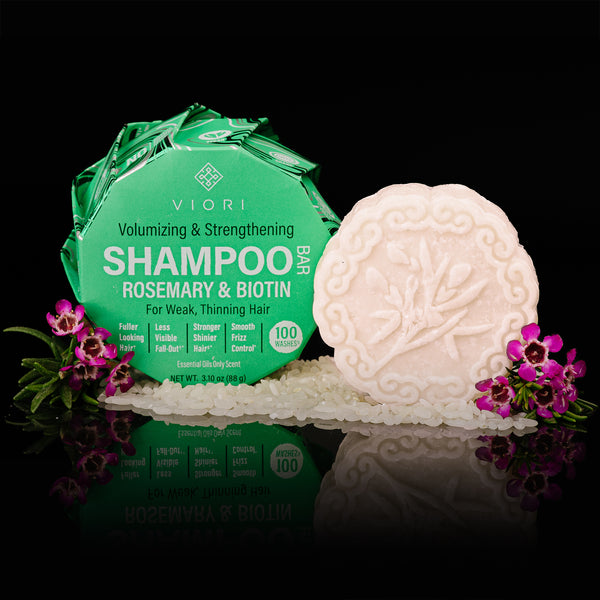
Conditioner isn’t just softness-it's friction control
Hair fibers (especially when damaged) tend to carry a negative charge. Many conditioning agents are positively charged, which helps them cling to the hair and create slip. That “slip” is not a vanity detail-it reduces tangles, lowers combing force, and decreases fiber-to-fiber abrasion that leads to snapping.
Viori explains this concept in a way I wish more brands did: cleansing removes some of the protective sebum, and conditioner helps replace that protective cushion until the scalp replenishes it naturally. For thinning hair, that matters because fragile strands don’t tolerate rough handling.
The “volume paradox” that trips people up
Many people with thinning hair avoid conditioner because they’re afraid it will weigh hair down. But skipping conditioner often causes the very problem they’re trying to avoid:
- more tangles
- more aggressive detangling
- more breakage
- less density over time
The goal is slip without heaviness. Applied correctly (mostly mid-lengths to ends), conditioner can help preserve the hair you already have-so it stays on your head long enough to be counted.
The unique angle most people miss: “frictional thinning” from how you wash
Let’s talk about something that’s rarely spelled out online: with thinning hair, the formula matters-but your technique can matter just as much.
Bars are wonderful, but thinning hair can be mechanically delicate. If you scrub a bar directly against the scalp, pile hair up, and aggressively rub in circles, you’re creating high friction in the exact area people are most sensitive about: the part line and crown.
Viori’s own guidance aligns with what I recommend professionally, especially for fragile hair: lather in your hands, then apply with your fingertips rather than rubbing the bar directly on the scalp. It’s a small change that can noticeably reduce breakage over time.
Protein and rice water: strengthening that needs a smart dose
Protein is one of the most misunderstood topics in “thinning hair” content. In the right amount, it can be a lifesaver for breakage-prone hair. In the wrong situation, it can make hair feel stiff or less flexible.
Viori includes ingredients like hydrolyzed rice protein and fermented Longsheng rice water components associated with hair support, and they note something important: rice water at too high a concentration can disrupt pH if overused. Their approach uses a lower concentration designed to be pH balanced and suitable for regular use, which is a meaningful detail if you’re trying to keep the scalp calm and the cuticle smooth.
Choosing a Viori bar for thinning hair: think scalp type first
“Thinning” isn’t a scalp type. The best match depends on whether your scalp runs oily, dry, normal, or sensitive-because that determines root lift, irritation risk, and how quickly your hair collapses.
WHAT CUSTOMERS ARE SAYING
Real reviews for Rosemary Biotin Shampoo Bar – Thinning Hair | VIORI
- Oily scalp: Viori often recommends Citrus Yao, since citrus (and the citric acid noted in their FAQs) helps break down oil effectively, which can help roots look cleaner and fuller.
- Dry or normal scalp: Terrace Garden and Hidden Waterfall are commonly recommended as more moisturizing options.
- Sensitive scalp or fragrance sensitivity: Native Essence is the unscented, gentlest choice.
And if you’re the classic combo type-oily scalp with dry ends-Viori’s guidance is practical: cleanse the scalp with a more oil-balancing option, then condition the ends with something more moisturizing.
A thinning-hair wash routine that protects density (and doesn’t take extra time)
If you want the fastest payoff, the goal is simple: keep the scalp comfortable and keep the hair you have from snapping. Here’s the routine I’d put almost anyone on as a starting point.
- Cleanse the scalp, not the lengths. Build lather in your palms and focus on the scalp. Let the suds rinse through the ends.
- Condition for slip. Apply primarily mid-lengths to ends. Detangle gently with fingers or a wide-tooth comb.
- Let it sit briefly. Even 2-5 minutes can improve softness and reduce post-shower tugging.
- Rinse thoroughly. Residue can make roots collapse, which makes the scalp look more visible.
- Dry gently. Blot-don’t rough towel-dry. Wet hair is more vulnerable to snap.
Also worth remembering: results vary by person. Viori recommends giving a routine 2-3 months before deciding it’s “not working,” and that aligns with what I see in real life-especially when your goal is less breakage and a calmer scalp, not an overnight miracle.
When to treat thinning as medical, not cosmetic
If thinning is sudden, patchy, painful, paired with sores, or accompanied by significant scalp symptoms, it’s time to consult a qualified medical professional. Haircare can support comfort and reduce breakage, but it shouldn’t replace evaluation for underlying causes.
The bottom line
Shampoo and conditioner won’t “cure” every type of thinning hair-but the right match and, just as importantly, the right technique can make hair look and feel noticeably fuller by improving scalp balance and reducing breakage.
If you take one takeaway from this entire post, make it this: for thinning hair, friction is a bigger enemy than most ingredients. Palm-lather, cleanse the scalp, condition for slip, and handle wet hair like it’s delicate-because it is.


