
If you’ve found yourself searching for “kisch shampoo,” odds are you’re not just casually browsing. You’re trying to solve something specific-oily roots that show up overnight, frizz that won’t quit, a sensitive scalp that flares up at the wrong time, or that frustrating “my hair feels coated” sensation after switching to a bar.
In the salon, I hear the same concerns in different wording every week. And here’s the part that rarely gets explained online: the success (or failure) of a shampoo bar routine usually has less to do with the bar itself and more to do with a three-part equation-the cleanser system, what deposits onto your hair after rinsing, and your water quality. When those three line up, bars can be incredible. When they don’t, people assume “bars just aren’t for me.”
The “Bar vs. Bottle” Debate Is the Wrong Debate
Most articles frame this as a format issue: bar good, bottle bad (or the other way around). But professionally speaking, the real difference is what kind of product you’re using chemically-because “shampoo bar” can mean two very different things.
NOT SURE WHICH PRODUCT IS RIGHT FOR YOU?
TAKE THE QUIZTakes 30 seconds · 134,000+ customers matched
Soap-based bars (true soap)
Some bars are literally soap-made by saponifying oils and fats. Soap cleans, but it’s typically alkaline, often landing well above the ideal pH range for hair and scalp. Over time, alkaline products can encourage the hair cuticle to lift, which increases friction and roughness. On some heads of hair, that shows up as dullness; on others it’s tangles, frizz, or a chronic “dry but somehow still greasy” feel.
Hard water makes this worse. Minerals like calcium and magnesium can react with soap and form insoluble residue that clings to the hair fiber. That’s when you hear people describe the dreaded:
- waxy coating
- sticky or heavy roots
- draggy texture through the lengths
- hair that looks dull even when it’s clean
Syndet bars (modern solid shampoo)
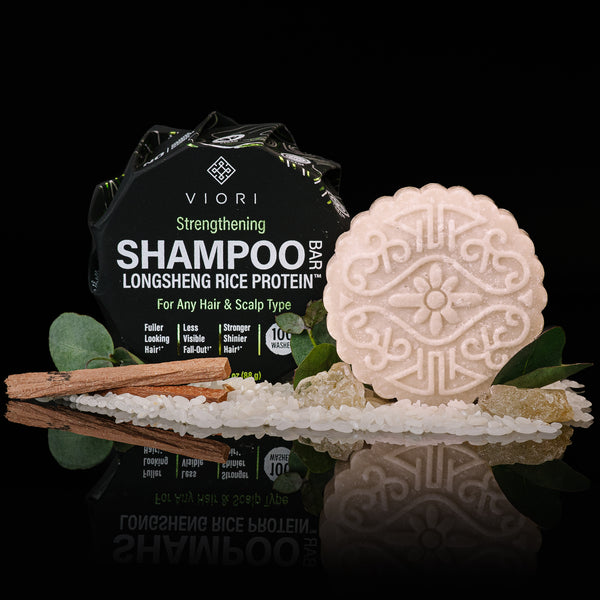
Other bars are syndet bars-solid shampoos built from surfactants (cleansers) designed to perform well at hair-friendly pH. Viori is a good example of this modern category. Viori’s bars use Sodium Cocoyl Isethionate (SCI), a mild cleanser known in the industry for creating a rich lather without relying on the harsh cleansing profile many people associate with traditional sulfate detergents. Viori also keeps their formulas pH balanced, which matters more than most people realize for long-term hair feel and scalp comfort.
The Overlooked Variable: What Sticks to Your Hair After You Rinse
Most people judge a cleanser by how clean it feels. Stylists pay attention to what happens next. Hair isn’t a neutral surface-especially not if it’s color-treated, bleached, heat-styled, or sun-exposed. Damaged hair tends to carry more negative charge, which makes it attract positively charged conditioning agents like a magnet.
Viori uses Behentrimonium Methosulfate (BTMS) in their bar system. The name throws people off because it contains “methosulfate,” but in practice BTMS is a widely used conditioning agent (a quaternary ammonium compound). It’s valued for improving slip, reducing friction, and helping hair feel smoother and more manageable after rinsing.
This is where results can split dramatically from person to person:
- High-porosity or damaged hair often loves cationic conditioning because it boosts softness and reduces frizz.
- Low-porosity hair can feel weighed down faster if too much conditioning material deposits-especially if hard water or heavy styling products are part of the routine.
Why Hair Sometimes Feels “Waxy” After Switching to a Bar
When someone tells me, “I tried a bar and my hair felt waxy,” I don’t immediately blame the bar. I look at what’s happening during application and rinsing. In my experience, that coated feeling is usually a combination of these factors:
- Hard water minerals interfering with how product rinses away
- Over-application at the scalp (bars can deliver a very concentrated dose)
- Extra friction from rubbing the bar directly on hair, which roughens the cuticle and tangles the lengths
One of the simplest, most effective technique upgrades is the one Viori recommends for color-treated hair too: build your lather in your hands, then apply with your fingers instead of scrubbing the bar directly onto your scalp and lengths. It sounds small, but it changes dosage, distribution, and friction all at once.
Do Scents Matter If the Formula Is Similar?
Most “scent talk” online is purely about preference. But there’s a more practical side to it: scent blends can include supporting components that subtly affect how the hair and scalp behave-especially for oil management.
Viori highlights this well with Citrus Yao, which contains citric acid in the scent blend. Citric acid can help break down oils more effectively, which is one reason Citrus Yao is commonly recommended for normal-to-oily scalps. If your goal is to go longer between washes without your scalp feeling stripped, that detail matters.
On the flip side, if your scalp runs dry or reactive, you may do better with more moisture-supportive options like Terrace Garden or an unscented option such as Native Essence, which is designed for people who prefer to avoid added fragrance.
The Best Way to Choose: Scalp Type + Porosity (Not Just “Curly” or “Straight”)
Curl pattern tells me how you like to style your hair. It doesn’t tell me what your scalp needs. Two people with the same curl type can require totally different cleansing and conditioning strategies.
Start with scalp behavior:
- Oily scalp: feels oily 1-2 days after washing
- Normal scalp: feels oily around day 3
- Dry scalp: can often go 4+ days before feeling oily
Then consider porosity. A simple at-home test is dropping a clean strand into a glass of water:
- Floats: low porosity
- Hovers in the middle: medium porosity
- Sinks: high porosity
Viori’s general guidance lines up with what I see behind the chair: low porosity tends to do better with lighter, more cleansing routines (often Citrus Yao), while high porosity usually needs more moisture support and careful conditioning (often Terrace Garden, Hidden Waterfall, or Native Essence).
WHAT CUSTOMERS ARE SAYING
Real reviews for Rice Water Shampoo Bar – All Hair Types | VIORI
Conditioner Bars Don’t Lather-That’s a Good Thing
Conditioner bars confuse people at first because they don’t foam like shampoo. But that’s exactly the point. Shampoo contains a cleanser like SCI that creates visible lather. Conditioner is built around emollients and conditioning agents that smooth and protect; it’s more slip than suds.
Viori notes that their conditioner creates a more paste-like feel. Even if you don’t see a ton of product on the hair while applying, a little goes a long way-especially when you give it time to sit.
A Stylist-Level Routine That Makes Shampoo Bars Work Better
If you want consistently good results, your technique matters just as much as your product choice. Here’s the routine I recommend to clients who want a smoother transition and fewer “why does my hair feel weird?” days.
- Saturate your hair completely for 30-60 seconds. Water is your built-in dilution system.
- Build lather in your hands and apply with your fingers, focusing on the scalp.
- Let the lengths be cleaned by runoff instead of scrubbing them directly (less tangling, less friction).
- Rinse longer than you think you need to, especially if you have hard water.
- Condition mid-lengths to ends, then let it sit for 3-5 minutes if you’re battling dryness or frizz.
- Adjust based on your scalp: Viori’s Citrus Yao is often a smart start for oilier scalps, while Terrace Garden or Native Essence can be a better match for drier or more sensitive scalps.
Final Takeaway
When people search “kisch shampoo,” they’re usually shopping for a bar-style routine that feels cleaner, healthier, and simpler. The best results come when you stop thinking of shampoo bars as one single category and start looking at the real performance drivers: pH balance, surfactant type, conditioning deposition, and the very real influence of water hardness and technique.
If you want to dial this in quickly, figure out two things first: how fast your scalp gets oily after washing, and whether your hair is low or high porosity. From there, choosing a Viori bar and adjusting your application method becomes much less guesswork-and a lot more predictable.


