
If you’ve ever used a shampoo that seemed perfectly fine-then moved (or traveled) to the Philippines and suddenly your hair felt greasy faster, frizzier, or like it had a weird “coating” that wouldn’t rinse away, you’re not imagining things. In a tropical climate, shampoo performance isn’t just about what’s in the bottle (or bar). It’s about chemistry, environment, and how your hair fiber behaves day after day.
After 20 years working hands-on with hair, I’ve learned that the Philippines is basically a real-world stress test for scalp balance: heat, humidity, sweat, pollution, UV exposure, and often mineral-heavy water all stack the deck. The good news is that once you understand what’s happening, you can build a routine that finally feels consistent-and that’s where a pH-balanced shampoo bar system like Viori can make a big difference.
The Philippines “hair environment” is different (and your shampoo has to keep up)
Let’s start with what makes the Philippines unique. When it’s hot and humid, your scalp doesn’t just produce oil-it produces oil that mixes with sweat. Add in everyday dust and air pollution, and you end up with a film that can make hair feel dirty quickly even if your scalp isn’t technically “oilier” than before.
NOT SURE WHICH PRODUCT IS RIGHT FOR YOU?
TAKE THE QUIZTakes 30 seconds · 134,000+ customers matched
This is why many people in the Philippines feel like they need to wash more often. The challenge is that frequent washing can turn into a cycle: you cleanse harder, the scalp gets irritated or dried out, and then it feels like it gets oily even faster.
The tropical hair paradox: oily roots + frizzy lengths
One of the most common complaints I hear is, “My roots look oily, but my ends look dry and frizzy.” That combo is extremely common in humid climates. Humidity can swell the hair fiber and lift the cuticle slightly, which makes frizz more visible-especially if your hair is color-treated, heat-styled, or naturally high-porosity.
The rarely discussed culprit: water chemistry (hard water changes everything)
If there’s one factor that doesn’t get enough attention online, it’s water hardness. Depending on your location and water source, you may be dealing with higher levels of minerals like calcium and magnesium. Those minerals can affect how hair feels and how shampoo and conditioner rinse.
That “parang may coating” feeling often blamed on shampoo? Sometimes it’s not the formula at all. It’s mineral deposit on the cuticle creating drag, dullness, and an uneven texture that makes hair feel heavy at the roots and rough through the mid-lengths.
- Minerals can cling to the cuticle, leaving hair feeling stiff or dull.
- Rinsing can feel inconsistent, especially if you’re used to softer water.
- Hair can tangle more easily because the surface isn’t smooth.
Why pH balance matters more in humidity than most people realize
Here’s the technical part that makes a huge real-world difference: pH influences the cuticle. When the cuticle stays more lifted, hair snags, frizzes, and breaks more easily-especially in heat and humidity where the hair fiber is already swelling.
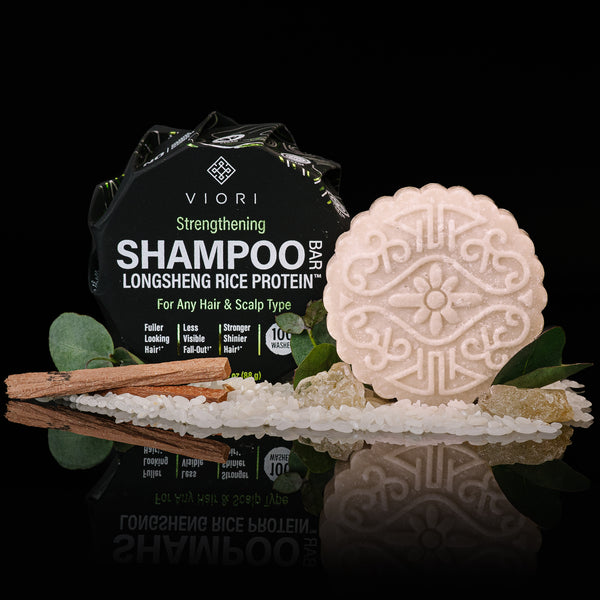
Viori is formulated to be pH balanced (hair products are generally expected to sit in a hair-friendly range, often cited around 3.5-6.5). That matters because it supports a smoother cuticle feel over time instead of leaving the hair in a constantly “open” state.
Not all shampoo bars are the same: “bar” doesn’t automatically mean “harsh”
A lot of people avoid bars because they’ve tried traditional soap-based bars before and hated the results. That’s understandable-true soap bars can be more alkaline, and alkaline + humidity + mineral-heavy water is a recipe for roughness.
Viori shampoo bars are not traditional soap bars. They’re hair-focused formulas that use Sodium Cocoyl Isethionate (SCI) as a cleanser. In the formulating world, SCI is often known for giving a rich lather while staying relatively mild-an important detail if you wash frequently due to sweat and climate.
Why conditioner isn’t optional if you wash often
In hot climates, many people skip conditioner because they’re afraid it will weigh hair down. But from a professional standpoint, conditioner is often the step that protects your hair from the daily realities of the Philippines: sun exposure, friction, humidity swelling, and frequent cleansing.
Conditioners are typically positively charged, which helps them bind to the hair after shampooing and reduce friction. Viori’s conditioner bar includes behentrimonium methosulfate (BTMS), a widely used conditioning ingredient (despite the name, it’s not a harsh cleansing sulfate). This helps improve slip and detangling, which directly reduces breakage.
- Less friction = less breakage and fewer split ends.
- Better slip = easier detangling in humid weather.
- Smoother cuticle feel = improved shine and reduced frizz.
A unique detail most people miss: “scent choice” can affect oil-control expectations
Usually, scent is just scent. But within the Viori system, there’s a practical nuance that can matter for scalp behavior.
Viori notes that Citrus Yao includes citric acid and can help break down oil more effectively, which is why it’s often recommended for normal-to-oily scalps. If your scalp runs dry or sensitive, Terrace Garden, Hidden Waterfall, or the unscented Native Essence are commonly preferred options depending on your needs.
Technique matters: the #1 mistake with bars is too much friction
In the Philippines, people often scrub harder because they want that “fresh” feeling after sweating. But aggressive rubbing can lift the cuticle and irritate the scalp-especially if you’re already washing often.
WHAT CUSTOMERS ARE SAYING
Real reviews for Rice Water Shampoo Bar – All Hair Types | VIORI
For better results (and especially for color-treated hair), the most hair-friendly approach is to reduce friction and focus on the scalp, not the lengths.
- Lather in your hands first instead of rubbing the bar directly on your hair for multiple passes.
- Massage the scalp with fingertips (not nails), then rinse thoroughly.
- Condition mid-lengths to ends, let it sit for a couple of minutes, then rinse well.
What to expect: why consistent results can take time
Hair and scalp don’t always “reset” in one wash. If you’re coming from a routine that left buildup or irritation, it can take time for your scalp to settle into a healthier rhythm. Viori recommends giving a routine 2-3 months before deciding it isn’t for you, and that timeline is realistic for many people-especially if you’re trying to correct oil imbalance, dryness, or recurring flakes.
A simple Philippines-friendly routine guide using Viori
If you want an easy way to choose a direction, start with how your scalp behaves-not just how your hair looks on day one.
- Oily scalp (feels oily within 1-2 days): Viori Citrus Yao is commonly recommended.
- Normal scalp (oily around day 3): you may do well with multiple options, including Hidden Waterfall.
- Dry or sensitive scalp: consider Native Essence (unscented) for the gentlest approach.
And don’t ignore storage. Humid bathrooms can soften bars quickly, which can lead to using too much product and feeling like it “doesn’t rinse.” Keep your bar somewhere it can dry properly between washes (a holder that allows airflow helps), and out of direct water spray.
If you’d like, tell me (1) how soon your roots feel oily after washing, (2) your hair texture and density, (3) any color or chemical treatment, and (4) your main concern (oiliness, flakes, itch, frizz, dullness, hair fall). I’ll map out a Philippines-optimized Viori routine that’s realistic for your day-to-day life.


