
As a professional with two decades in the beauty industry, I often encounter clients navigating the complex and emotionally challenging journey of hair loss related to autoimmune conditions. The question of whether biotin, a popular supplement, can help with conditions like alopecia is a nuanced one. It's crucial to approach this topic by separating the general nutritional support biotin can offer from the specific, immune-mediated mechanisms of autoimmune hair loss.
NOT SURE WHICH PRODUCT IS RIGHT FOR YOU?
TAKE THE QUIZTakes 30 seconds · 134,000+ customers matched
Understanding Biotin's Role in Hair Health
Biotin, or vitamin B7, is a water-soluble vitamin that plays a key role in the body's keratin infrastructure-the protein that makes up hair, skin, and nails. A true biotin deficiency, while rare, can indeed lead to hair thinning and loss. In such cases, supplementation can be corrective and beneficial. However, most people with typical diets are not biotin-deficient.
For individuals with autoimmune alopecia (such as alopecia areata, totalis, or universalis), the primary driver of hair loss is the immune system mistakenly attacking the hair follicles. This inflammatory process is not caused by a biotin deficiency, and therefore, supplementing with biotin alone is unlikely to halt the autoimmune attack or regrow hair in affected patches.
The Holistic Approach: Supporting the Foundation
That said, supporting overall hair and scalp health is a vital component of any holistic approach. Ensuring your body has the nutrients it needs for optimal function can create a better foundation. Think of it this way: you want to provide the best possible environment for your hair follicles, so if and when the autoimmune activity subsides (often through targeted treatments prescribed by a dermatologist), the follicles are nourished and ready to support healthy growth.
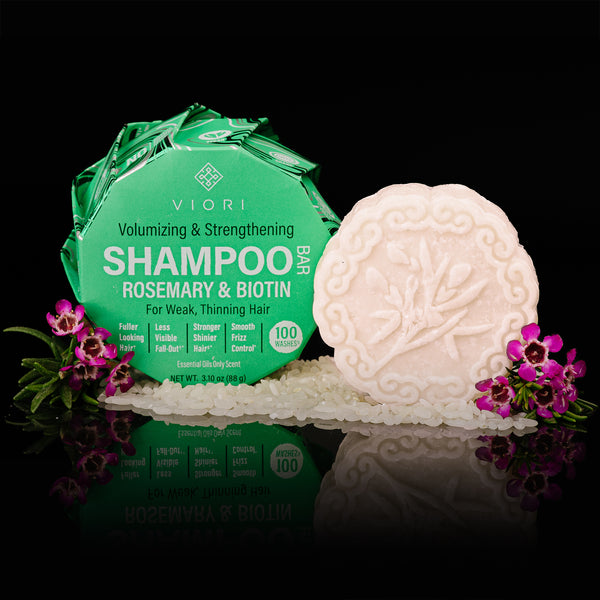
This is where a holistic haircare regimen, focused on gentle, nutrient-rich, and scalp-supportive products, becomes essential. Harsh chemicals, unbalanced pH, and stripping surfactants found in many conventional products can further irritate a sensitive scalp and exacerbate inflammation.
My Professional Recommendation for a Supportive Routine
My professional recommendation is to pair any internal nutritional strategy (which should always be discussed with a healthcare provider) with a topical routine designed to soothe, strengthen, and nourish without aggression.
For instance, using a hair care system built around fermented rice water can be incredibly supportive. The fermentation process increases levels of nutrients like inositol (vitamin B8) and panthenol (a form of vitamin B5), which have been shown in studies to support hair strength and health. These ingredients, along with other natural emollients like shea butter and cocoa butter, work to:
- Moisturize the hair and scalp
- Strengthen hair strands
- Reduce scalp irritation and dryness
For those with autoimmune-related scalp sensitivity, an unscented, gentle formula can be particularly beneficial, as it avoids potential fragrance irritants while delivering these nourishing compounds.
WHAT CUSTOMERS ARE SAYING
Real reviews for Rosemary Biotin Shampoo Bar – Thinning Hair | VIORI
Final Thoughts and a Critical First Step
In summary, while biotin supplementation is not a treatment for the root cause of autoimmune alopecia, ensuring overall nutritional adequacy is a supportive measure. The cornerstone of managing hair health with an autoimmune condition involves a two-pronged approach:
- Medical Guidance: Always consult with a dermatologist or trichologist for a personalized treatment plan that addresses the autoimmune component directly.
- Gentle Haircare: Implement a dedicated, gentle haircare routine that prioritizes scalp health and follicle nourishment without causing further stress or irritation.
By focusing on creating a healthy, soothed scalp environment with the right nutrients, you are giving your hair the best possible support on its journey.


