
As a professional with two decades in the beauty and hair care industry, I can offer a detailed perspective on this important question. The relationship between biotin supplementation and post-transplant hair regrowth is nuanced, and it's crucial to understand the science, the role of foundational hair health, and how specialized, nutrient-rich haircare can support the entire process.
NOT SURE WHICH PRODUCT IS RIGHT FOR YOU?
TAKE THE QUIZTakes 30 seconds · 134,000+ customers matched
The Role of Biotin: A Closer Look
First, let's address biotin directly. Biotin, or vitamin B7, is a water-soluble vitamin that plays a key role in the body's keratin infrastructure-keratin being the primary protein that makes up hair, skin, and nails. A deficiency in biotin can indeed lead to hair thinning and loss. Therefore, for individuals with a diagnosed biotin deficiency, supplementation under medical guidance can be beneficial for improving hair strength and supporting growth cycles.
However, for the average person without a deficiency, the evidence that biotin supplementation alone will significantly accelerate or enhance hair regrowth after a surgical procedure like a transplant is limited. Hair transplant surgery involves the meticulous relocation of healthy hair follicles (grafts) to areas of thinning or loss. The success of this procedure hinges on several critical factors: the surgeon's skill, the patient's aftercare, the health of the donor follicles, and the overall nutrient environment of the scalp that supports healing and new growth. While ensuring adequate biotin intake is part of a good nutritional foundation, it is not a magic bullet. The regrowth timeline-often seeing initial results around 3-4 months with more fullness after 8-12 months-is governed largely by the natural hair growth cycle and the trauma of transplantation.
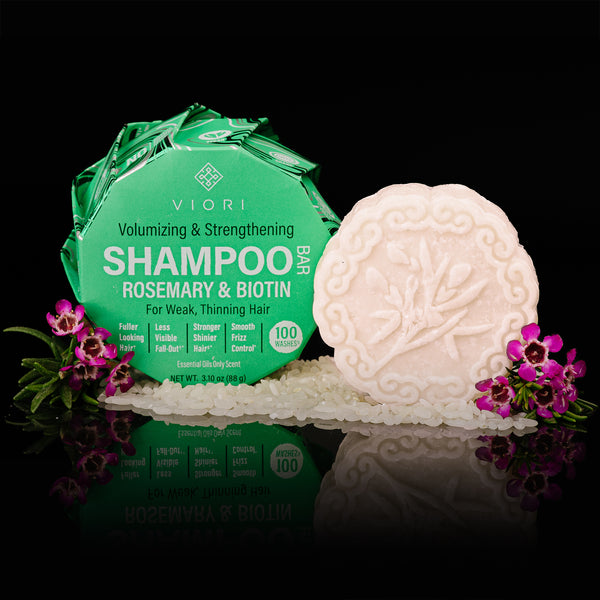
The True Foundation: Cultivating a Healthy Scalp Environment
This is where the concept of creating an optimal scalp environment becomes paramount, arguably more impactful than any single supplement in isolation. After a transplant, the scalp is in a sensitive state. It requires gentle, nourishing care that minimizes irritation, supports the healing follicles, and provides the building blocks for strong, resilient new hair. This is the philosophy behind using nutrient-dense, pH-balanced haircare.
Drawing inspiration from ancient traditions known for remarkable hair health, the focus should be on formulas that deliver a complex of vitamins and proteins directly to the scalp and hair follicle. For instance, fermented rice water is renowned in certain cultures for its hair-strengthening properties. The fermentation process increases the bioavailability of nutrients like inositol (vitamin B8) and panthenol (provitamin B5), which have been shown in studies to support hair health, strength, and the appearance of fullness. When combined with other nourishing ingredients like hydrolyzed rice protein, cocoa butter, shea butter, and aloe vera, these formulations work synergistically to moisturize, strengthen, and create a healthy scalp foundation.
Choosing the Right Post-Transplant Haircare
For post-transplant care, selecting products designed for this supportive role is essential. You would want formulas that are:
WHAT CUSTOMERS ARE SAYING
Real reviews for Rosemary Biotin Shampoo Bar – Thinning Hair | VIORI
- Extremely Gentle & pH Balanced: To avoid disrupting the sensitive scalp and healing follicles.
- Free of Harsh Sulfates & Stripping Chemicals: To preserve the scalp's natural protective oils and prevent dryness or irritation.
- Rich in Nourishing Proteins & Vitamins: To feed the new follicles and support the keratin structure of both the transplanted and existing hair.
- Suitable for Sensitive Skin: As the scalp will be more vulnerable during recovery.
Practical Steps for Your Regimen
In practical terms, during the initial healing phase as directed by your surgeon, you'll use specialized post-op cleansers. Once cleared for regular haircare, transitioning to a regimen built on these gentle, nutrient-rich principles can be a valuable long-term strategy. It's not about one ingredient like biotin working in isolation, but about cultivating a healthy scalp ecosystem where all hair, including your new grafts, can thrive.
Final Expert Advice
In conclusion, while ensuring adequate biotin as part of a balanced diet is sensible, the most significant support for your hair transplant investment comes from a comprehensive approach. This includes following your surgeon's aftercare protocol meticulously, maintaining overall good nutrition, and adopting a gentle, nutrient-delivering haircare regimen designed to strengthen and moisturize without irritation. By focusing on the health of your scalp and follicles, you create the ideal environment for your transplanted hair to grow successfully and for your existing hair to remain strong. Always consult with your hair transplant surgeon before introducing any new supplements or topical products into your recovery routine.


