
Seasonal hair shedding, often noticed in autumn and spring, is a common concern for many. This phenomenon, sometimes called "seasonal molting," is a natural cycle where hair follicles may enter the telogen (resting) phase in greater numbers, leading to increased shedding a few months later. While this is typically temporary, it can be distressing. The question of whether biotin-a popular supplement-can help is an excellent one, and the answer requires a nuanced look at both the nutrient and a holistic approach to hair health.
NOT SURE WHICH PRODUCT IS RIGHT FOR YOU?
TAKE THE QUIZTakes 30 seconds · 134,000+ customers matched
Biotin, or vitamin B7, is a water-soluble vitamin crucial for keratin production, the primary protein that makes up hair, skin, and nails. A true biotin deficiency can indeed lead to hair thinning and loss. However, such deficiencies are relatively rare in individuals with a balanced diet, as biotin is found in foods like eggs, nuts, and whole grains. For those who are deficient, supplementation can correct the issue and support hair regrowth. For the average person experiencing the predictable ebb and flow of seasonal shedding, simply adding a biotin supplement may not directly stop the shed, as the trigger is more hormonal and circadian (linked to changes in daylight) than nutritional.
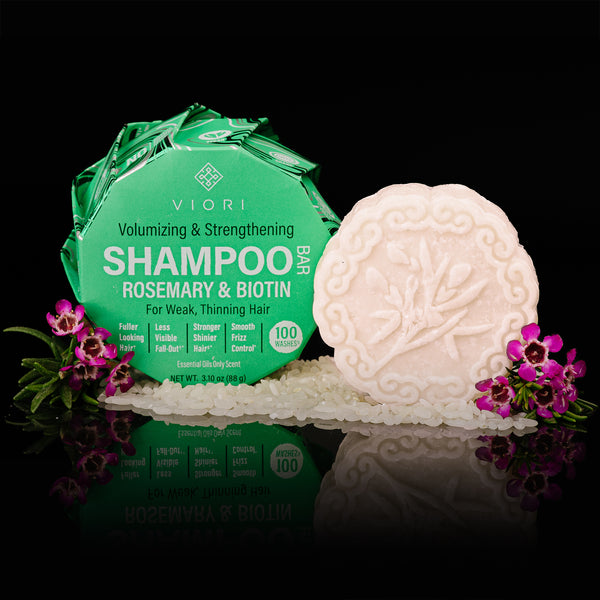
The key to managing seasonal shedding is not to panic and to support the hair's natural growth cycle with consistent, gentle care and optimal scalp health. This is where a holistic haircare ritual, like the one inspired by ancient traditions, becomes invaluable. The goal is to create a healthy environment so that as old hairs shed, new, strong hairs can regrow effectively.
A Holistic Approach to Seasonal Shedding
Here is a comprehensive, expert approach to navigating seasonal shedding:
WHAT CUSTOMERS ARE SAYING
Real reviews for Rosemary Biotin Shampoo Bar – Thinning Hair | VIORI
- Nourish from the Inside Out: Before starting any supplement, evaluate your diet. Ensure you are getting adequate protein, iron, zinc, and vitamins like B12 and D, all of which play roles in hair health. A blood test with your doctor can identify any true deficiencies. While biotin is generally safe, it's best to address nutrition through whole foods first.
- Adopt a Scalp-First Haircare Philosophy: Seasonal changes can impact scalp balance, potentially exacerbating shedding. Using a gentle, pH-balanced haircare system is critical. Harsh sulfates and alkaline products can disrupt the scalp's microbiome and weaken hair follicles. Look for formulas designed to moisturize, strengthen, and reduce scalp irritation. For instance, during drier autumn months or when spring allergies flare, a gentle, unscented shampoo and conditioner bar can cleanse without stripping, while ingredients like aloe vera and bamboo extract can help soothe and support a healthy scalp environment.
- Choose the Right Formula for Your Needs: Your scalp's condition may shift with the seasons. If autumn brings a drier scalp, a moisturizing formula with cocoa butter and shea butter can help maintain hydration. If your scalp tends to be oilier in the humid spring, a formula with natural, gentle cleansers that won't over-strip oils is ideal. The focus should always be on balance-cleansing effectively while delivering nutrients like hydrolyzed rice protein and vitamins directly to the follicle.
- Be Patient and Consistent with Your Routine: Hair growth cycles are slow. After a seasonal shed, it can take 2-3 months of consistent care to see noticeable new growth. Resist the urge to over-wash or use harsh treatments in response to shedding, as this can cause further stress. Stick with a gentle, nutrient-rich routine and allow the cycle to complete itself.
- Handle with Care: During periods of increased shedding, be extra gentle. Use a wide-toothed comb on wet hair, avoid tight hairstyles that pull on the roots, and minimize heat styling. When washing, lather the product in your hands and work it through the hair rather than rubbing vigorously at the scalp, which can pull on hairs already in the telogen phase.
Final Thoughts
In conclusion, while biotin supplementation may benefit those with a diagnosed deficiency, managing seasonal hair shedding is best approached holistically. It centers on supporting your hair's natural cycle through consistent, gentle, and nutrient-rich haircare that prioritizes scalp health. By creating an optimal environment for growth with pH-balanced, strengthening formulas, you can help ensure that the hair that regrows after a seasonal shed is healthy, strong, and resilient. Remember, some shedding is a normal sign of renewal; your goal is to support the foundation so that renewal leads to even better hair.


