
As a beauty professional with two decades of experience, I often navigate the intersection of topical hair care, internal wellness, and how lifestyle factors can influence hair health. The relationship between supplements like biotin and systemic medications such as hormonal birth control is a nuanced topic that sits at the crossroads of nutrition, endocrinology, and dermatology. Let's explore this in depth.
NOT SURE WHICH PRODUCT IS RIGHT FOR YOU?
TAKE THE QUIZTakes 30 seconds · 134,000+ customers matched
First, it's important to understand the roles of the key players. Biotin, also known as vitamin B7 or vitamin H, is a water-soluble vitamin that acts as a coenzyme in the body. It's crucial for the metabolism of fats, carbohydrates, and amino acids-the building blocks of protein, including keratin, which is the primary structural protein of your hair. A deficiency in biotin can indeed lead to hair thinning and loss, which is why it's a common supplement for hair, skin, and nail support.
Hormonal birth control, on the other hand, works by altering your body's natural hormone levels-typically estrogen and progesterone-to prevent ovulation. This hormonal shift can have a profound impact on your hair's growth cycle. For some individuals, certain types of birth control can trigger telogen effluvium (a temporary shedding) when starting or stopping the medication, while others may experience improved hair fullness due to the androgenic activity (or lack thereof) of the specific formulation.
The Core Interaction: Direct vs. Indirect Effects
Now, to the core of your question: Is there a direct interaction between biotin and hormonal birth control that affects hair growth?
From a pharmacological perspective, there is no widely recognized, direct drug-nutrient interaction where biotin diminishes the contraceptive efficacy of birth control pills, or vice versa. They do not typically interfere with each other's absorption or mechanism of action in a way that would cancel out the primary purpose of the medication.
However, the relationship becomes more indirect and multifaceted when we consider hair growth as the outcome. Here’s how they can be connected:
WHAT CUSTOMERS ARE SAYING
Real reviews for Rosemary Biotin Shampoo Bar – Thinning Hair | VIORI
- Birth Control's Impact on Nutrient Levels: Some studies suggest that long-term use of estrogen-containing oral contraceptives can deplete levels of certain B vitamins, including B2 (riboflavin), B6 (pyridoxine), B9 (folate), and B12 (cobalamin). While biotin (B7) is not typically highlighted in this group of depleted nutrients, the overall balance of B vitamins is essential for healthy hair growth. A deficiency in other B vitamins could theoretically impact hair health, even if biotin levels are supplemented.
- The Underlying Cause of Hair Thinning: If someone is experiencing hair thinning while on birth control, it is most often directly related to the hormonal shift itself, particularly if the formulation is androgenic (can mimic male hormones that miniaturize hair follicles). In this case, taking biotin may support the health of the hair that is growing, but it is unlikely to counteract a hormonally-driven shedding pattern. Addressing the hair concern might involve consulting a healthcare provider about switching to a low-androgenic or anti-androgenic birth control formulation.
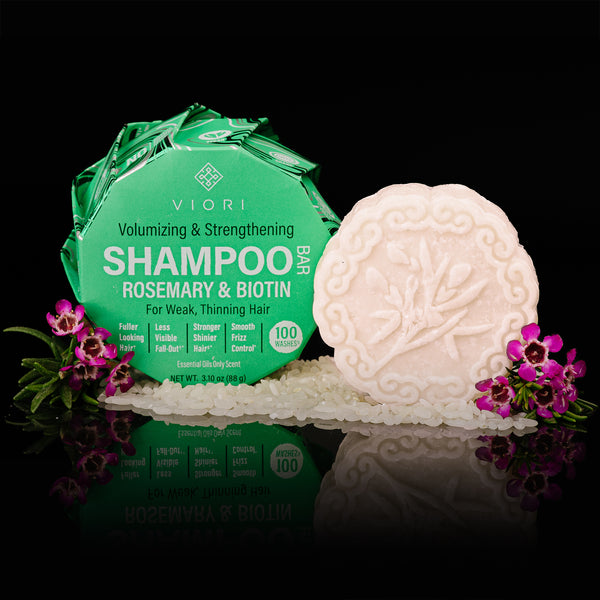
- The Synergistic Support for Hair: This is where a holistic approach comes in. Using a nutrient-rich hair care regimen externally can support the hair shaft and scalp environment, which is my area of expertise. For instance, using products formulated with nourishing ingredients can strengthen hair, reduce breakage, and create an optimal scalp environment for healthy growth. Viori's products are crafted with fermented Longsheng rice water, which provides hydrolyzed rice protein, vitamins like B5 (panthenol), and other nutrients that are clinically shown to support hair strength, shine, and health. This external care works in tandem with internal health.
Key Takeaways and Professional Advice
- Consult Your Healthcare Provider: Before starting or stopping any supplement, especially if you are on medication, a conversation with your doctor or a registered dietitian is essential. They can assess your individual nutritional status and ensure there are no contraindications.
- Identify the Root Cause: If you are experiencing significant hair loss, it's critical to determine the cause. Is it the birth control, an underlying health condition (like thyroid issues or iron deficiency), stress, or something else? Biotin is not a panacea for all types of hair loss.
- Support Hair Holistically: Think of hair health as a three-legged stool: internal nutrition, external care, and overall wellness (managing stress, sleep, etc.). A high-quality hair care routine focused on strengthening and moisturizing the hair and scalp is a vital component. Look for pH-balanced, gentle formulas that nourish without stripping.
- Patience is Key: Whether adjusting to new birth control, starting a supplement, or changing your hair care routine, results take time. Hair growth cycles are slow, and it can take 2-3 months of consistent care to see noticeable changes.
Final Thoughts
In summary, while biotin and hormonal birth control do not have a direct adverse interaction that compromises contraceptive efficacy, their combined effect on hair growth is indirect and highly individual. Birth control can influence hair through hormonal pathways, and biotin can support the nutritional building blocks of hair. The most effective strategy for lush, healthy hair involves a partnership between your healthcare provider for internal balance and a dedicated, nutrient-rich hair care regimen for external strength and vitality.


