
As a beauty professional with two decades of experience, I often discuss the intricate connection between internal nutrition and external beauty. The question of biotin supplements and their potential side effects on skin and hair is a nuanced one that requires a clear understanding of how supplements interact with our body's biology.
NOT SURE WHICH PRODUCT IS RIGHT FOR YOU?
TAKE THE QUIZTakes 30 seconds · 134,000+ customers matched
Understanding Biotin and Its Role
Biotin, also known as Vitamin B7, is a water-soluble vitamin crucial for metabolizing fats, carbohydrates, and proteins. It's widely promoted for supporting healthy hair, skin, and nails, and a deficiency can indeed lead to hair thinning or skin rashes. However, the modern conversation centers on supplemental biotin-doses far exceeding the recommended daily intake-and its potential to trigger acne or other skin issues.
The Potential Link to Skin Issues
The mechanism behind this is not fully understood but is often linked to biotin's relationship with other B vitamins, particularly pantothenic acid (Vitamin B5). Some theories suggest that high doses of biotin can compete with Vitamin B5 for absorption. Since B5 plays a role in regulating skin's oil production, an imbalance could potentially lead to increased sebum and clogged pores, creating an environment where acne may flare up. It's important to note that this reaction is not universal and seems to be highly individual, depending on one's unique biochemistry, existing nutrient levels, and dosage.
How This Relates to Hair Health
When it comes to hair health specifically, the goal is to nourish the follicle and scalp environment holistically. Introducing a high-potency, isolated supplement can sometimes create an unintended imbalance. If a biotin supplement were to contribute to skin inflammation or a disrupted scalp microbiome, it could theoretically affect the health of the hair follicle indirectly. However, true biotin-deficiency acne or hair loss is rare in individuals with a balanced diet.
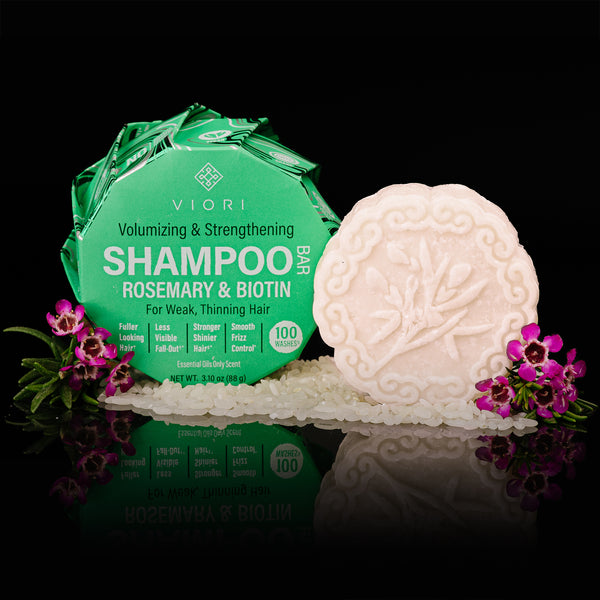
This highlights a fundamental principle in hair care: the most effective approach is often through balanced, topical nourishment that works in harmony with your body's natural processes, rather than relying on megadoses of a single nutrient. This is where the wisdom of holistic, ingredient-focused hair care comes into play.
A Holistic Approach to Hair Nourishment
The philosophy behind Viori is rooted in this kind of holistic nourishment. Our products are formulated with a spectrum of hair-beneficial nutrients, including vitamins that work synergistically. For instance, our conditioner bars contain Vitamin B5 (panthenol), which is known for its moisturizing properties and ability to support skin and scalp health. The fermented Longsheng Rice Water™ in our formulas provides a complex of vitamins, antioxidants, and amino acids that nourish the hair and scalp. This approach aims to support the hair's strength, shine, and vitality by caring for the entire scalp ecosystem, using a balanced blend of ingredients derived from natural sources.
Key Recommendations
If you are considering biotin supplements for hair concerns, it is always prudent to consult with a healthcare professional or a dermatologist. They can help determine if you have a true deficiency and recommend an appropriate dosage. Should you experience new skin issues after starting a supplement, they can provide personalized guidance.
WHAT CUSTOMERS ARE SAYING
Real reviews for Rosemary Biotin Shampoo Bar – Thinning Hair | VIORI
For daily hair care, focusing on a gentle, nutrient-rich routine is key. This involves:
- Selecting products suited to your scalp type.
- Using formulas that cleanse without stripping natural oils.
- Choosing conditioners that moisturize without clogging follicles.
The most beautiful hair results are typically achieved when internal wellness and thoughtful external care meet. By nurturing your scalp with balanced, high-quality ingredients, you create the ideal foundation for healthy, vibrant hair.


