
As a stylist with two decades of experience, I often get asked about incorporating oils into a haircare routine, especially by clients with oily scalps. The instinct is often to avoid all oils, but the reality is more nuanced. The answer is yes, you can use castor oil even with an oily scalp, but it must be done with a highly strategic and minimal approach to avoid exacerbating oiliness or causing buildup.
NOT SURE WHICH PRODUCT IS RIGHT FOR YOU?
TAKE THE QUIZTakes 30 seconds · 134,000+ customers matched
The key lies in understanding the difference between your scalp's natural sebum (oil) and a treatment oil like castor oil. Sebum is produced by your sebaceous glands to moisturize and protect. An oily scalp often means these glands are overactive. Castor oil, on the other hand, is a thick, viscous plant oil rich in ricinoleic acid, known for its moisturizing and potential hair-supporting properties. It is not a substitute for sebum but a targeted treatment.
Professional Guidance for Using Castor Oil on an Oily Scalp
1. Application is Everything: Avoid the Scalp, Focus on the Lengths
This is the most critical rule. Do not apply pure castor oil directly to your scalp. Its thick consistency can easily clog hair follicles, trap excess sebum and dirt, and lead to buildup, potentially worsening oiliness and even causing irritation. Instead, use it exclusively as a pre-wash treatment on the mid-lengths and ends of your hair, where moisture is needed most and oil production is minimal. Apply a small amount (a few drops for fine hair, a dime-sized amount for thick hair) to dry or damp ends, leave on for 20-30 minutes, and then proceed with your wash routine.
2. Dilution is Your Friend
If you wish to address the scalp area for its potential benefits, never use it neat. Dilute one part castor oil with three to four parts of a much lighter, non-comedogenic carrier oil like jojoba oil (which closely mimics the skin's natural sebum) or argan oil. Apply this diluted mixture sparingly to the scalp, massage gently, and leave on for no more than 30 minutes before thoroughly shampooing.
3. Your Cleansing Routine is Non-Negotiable
Using any heavy oil necessitates a thorough cleanse to follow. This is where your choice of shampoo becomes paramount. For an oily scalp, you need a gentle yet effective cleanser that can remove oil and buildup without stripping your scalp, which can trigger even more oil production.
I recommend a shampoo bar specifically formulated for balancing oily scalps. For instance, a bar with natural citrus elements can be particularly effective. Citrus contains citric acid, which is excellent at breaking down excess oil and dirt without harsh sulfates. It cleanses deeply yet gently, helping to maintain a healthy scalp environment and potentially extending the time between washes. When using an oil treatment, you would follow with this type of shampoo to ensure all residue is lifted, leaving hair clean, balanced, and full of body.
WHAT CUSTOMERS ARE SAYING
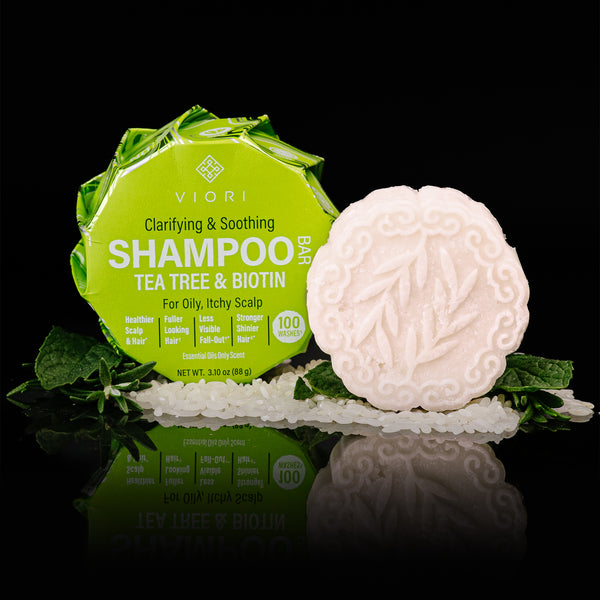
Real reviews for Tea Tree Shampoo Bar – Oily & Itchy Scalp | VIORI
4. Frequency: Less is More
With an oily scalp, a castor oil treatment should be an occasional practice, not a weekly ritual. Once every two to three weeks is likely sufficient. Monitor your scalp's response. If you notice increased oiliness, heaviness, or any signs of irritation, discontinue scalp application immediately.
Final Professional Take
While castor oil can be a beneficial conditioning treatment for the ends of your hair, managing an oily scalp is best achieved through a consistent, balancing haircare regimen. Focus on a pH-balanced, sulfate-free cleanser designed for your scalp type, ensure you are thoroughly rinsing all products, and consider that over-washing can sometimes stimulate more oil. A targeted approach with oils-keeping them away from the roots and ensuring a proper cleanse afterward-allows you to reap potential benefits without upsetting your scalp's natural balance. Always listen to your scalp; it will tell you what works and what doesn't.


