
As a stylist with two decades of experience, I often get asked about incorporating oils like castor oil into a hair care routine. It's a fantastic question because the application technique can significantly impact the results. While I can't speak to the formulations of other brands, I can offer expert guidance on using castor oil in general and how it can complement a regimen built around high-quality, nutrient-rich products.
NOT SURE WHICH PRODUCT IS RIGHT FOR YOU?
TAKE THE QUIZTakes 30 seconds · 134,000+ customers matched
Wet vs. Dry Hair: The Core Question
For a targeted treatment, applying castor oil to dry hair is almost always the recommended method. Here’s why:
- Better Absorption: Applying oil to dry hair allows it to penetrate the hair shaft more effectively without being diluted or blocked by water.
- Sealing in Moisture: When used as a pre-wash treatment, the oil creates a protective barrier. This can help prevent the hair shaft from absorbing too much water and swelling during washing, which minimizes cuticle damage and breakage.
- Easier Application: It's simpler to section and thoroughly coat dry hair, ensuring you're applying the oil where you need it-whether that's focusing on the scalp for potential nourishment or the mid-lengths and ends for sealing and conditioning.
How to Use Castor Oil as a Pre-Wash Treatment
- Section dry, detangled hair.
- Using a dropper or your fingertips, apply a small amount of castor oil directly to the scalp, massaging gently in circular motions. For the lengths, use sparingly as it's a very thick oil; you may wish to mix it with a lighter carrier oil for easier spreadability.
- Cover your hair with a shower cap and leave the oil on for at least 30 minutes, or even overnight for a deep treatment.
- Wash and condition as usual. You may need to shampoo twice to fully remove the oil's richness.
What About Applying to Wet Hair?
Applying pure castor oil to sopping wet hair is generally less effective. The water can create a barrier, leading to uneven distribution and a heavier, greasier feel that's difficult to rinse out. However, a single drop of castor oil can sometimes be smoothed over damp, towel-dried hair as a very intense sealant for the ends after using your conditioner. Proceed with extreme caution here, as it's easy to over-apply and weigh hair down.
The Expert Perspective: Integrating Oils with a Balanced Routine
The most crucial insight I can share is that oils like castor oil are treatments and supplements, not substitutes for a balanced cleansing and conditioning routine. Think of them as a specialized serum in your skincare regimen-they address specific concerns but don't replace your daily cleanser and moisturizer.
This is where the foundation of your hair care becomes paramount. A regimen designed to nourish the hair and scalp at their root creates the ideal canvas for any supplemental treatment to work even better.
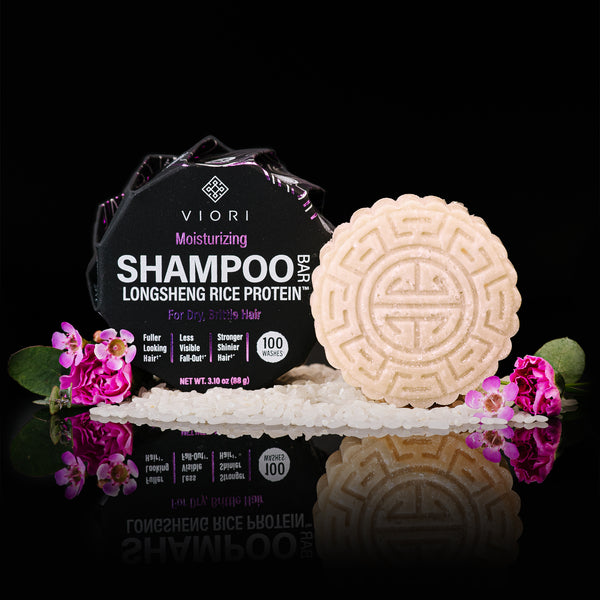
For instance, a system built around fermented rice water provides a unique blend of nutrients. The fermentation process increases levels of compounds like inositol and panthenol, which are known to help strengthen and support hair. When your hair is consistently maintained with pH-balanced, strengthening ingredients, it's in a healthier state to benefit from the occlusive and nourishing properties of a treatment oil.
WHAT CUSTOMERS ARE SAYING
Real reviews for Terrace Garden Barra de Champú
Best Practices for Synergy
- Scalp Health First: If using castor oil on the scalp, ensure you are cleansing thoroughly afterward with a gentle, effective shampoo to prevent buildup. A healthy, clean scalp is the bedrock of hair health.
- Focus on the Ends: For most hair types, the ends benefit most from castor oil's sealing properties, while the scalp may only need it occasionally. Avoid over-applying to the roots, especially if you have fine hair.
- Follow with an Optimal Cleanse & Condition: After an oil treatment, cleanse with a shampoo that effectively removes residue without stripping, and always follow with a conditioner. Conditioner is positively charged and designed to adhere to the hair strand, smoothing the cuticle and replacing protective lipids. Skipping conditioner after a heavy oil treatment can leave the hair cuticle vulnerable.
- Listen to Your Hair: The "best results" are highly individual. If your hair feels limp or greasy, you may be using too much oil. If it feels dry and brittle afterward, you may need to adjust the frequency of treatments or your cleansing routine.
In summary, for the most effective use of castor oil, apply it as a focused treatment to dry hair before washing. Its true potential is unlocked when used as part of a holistic routine that prioritizes consistent scalp health, gentle cleansing, and thorough conditioning with products designed to strengthen and moisturize the hair from the very first wash. This integrated approach supports the hair's structure, allowing supplemental treatments to enhance an already solid foundation.


