
As a beauty professional with two decades of experience, I often discuss the relationship between internal health, supplements, and hair vitality. The question of biotin interacting with medications, particularly birth control, is a nuanced one that sits at the intersection of nutrition, pharmacology, and hair care science. It's crucial to approach this topic with clarity and to emphasize that the following information is for educational purposes and not a substitute for professional medical advice from your doctor or pharmacist.
NOT SURE WHICH PRODUCT IS RIGHT FOR YOU?
TAKE THE QUIZTakes 30 seconds · 134,000+ customers matched
Understanding Biotin and Its Role
Biotin, also known as Vitamin B7 or Vitamin H, is a water-soluble vitamin that plays a key role in the body's metabolic processes, particularly in converting nutrients into energy. It is essential for the health of your skin, nails, and hair. A deficiency in biotin can indeed lead to hair thinning or loss, which is why it's a common supplement for those seeking to support hair strength and growth. However, for individuals with adequate biotin levels from a balanced diet, supplementation may not provide additional hair benefits.
Biotin and Medication Interactions: The Core Concern
The primary documented interaction with biotin is not with how medications work in your body, but with how they are monitored through certain lab tests. High doses of biotin (often found in hair, skin, and nail supplements) can significantly interfere with a variety of laboratory tests that use biotin-streptavidin technology. This includes tests for hormones (like thyroid and cortisol), cardiac troponin (for heart attacks), and others. This interference can lead to falsely high or low results, which could cause misdiagnosis or inappropriate treatment adjustments. This is a critical point to discuss with your healthcare provider if you are taking high-dose biotin and require blood work.
Regarding birth control specifically, there is no direct, widely recognized pharmacological interaction where biotin diminishes the contraceptive efficacy of birth control pills, patches, or implants. Birth control works by regulating hormones to prevent ovulation, and there's no evidence that biotin alters this mechanism.
However, the relationship is often discussed from another angle: hair effects. Some individuals experience hair shedding or changes in hair texture when starting, switching, or stopping hormonal birth control. This is typically related to the body's adjustment to the shift in hormone levels. In such cases, ensuring adequate nutrition, including biotin levels, can be part of a holistic approach to support hair health during this transition. The biotin isn't interacting with the medication per se, but rather supporting the hair follicle in an environment that may be stressful for it.
A Holistic, Topical Approach to Hair Health
While internal nutrition is foundational, my professional experience underscores that what you put on your hair is equally critical for its visible strength, shine, and resilience. Many off-the-shelf hair products contain harsh sulfates, parabens, and synthetic alcohols that can strip the hair and scalp, leading to dryness, breakage, and irritation that no supplement can fully counteract.
This is where a mindful haircare ritual becomes paramount. Focusing on nutrient-rich, gentle, and pH-balanced products can provide direct, targeted benefits to the hair shaft and scalp without any risk of internal interactions. For instance, using formulas that leverage natural proteins and vitamins can strengthen hair, improve elasticity, and enhance shine from the outside in.
WHAT CUSTOMERS ARE SAYING
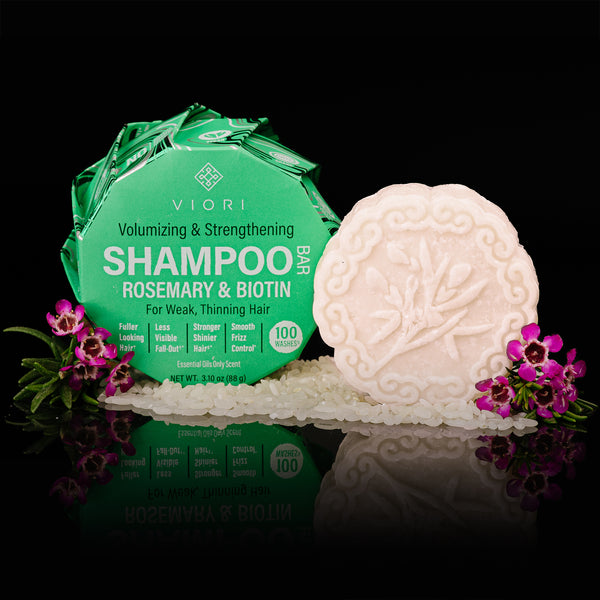
Real reviews for Rosemary Biotin Shampoo Bar – Thinning Hair | VIORI
The inspiration behind Viori comes from the Red Yao tribe, who have maintained legendary hair health for centuries through a topical ritual using fermented Longsheng rice water-a natural source of nutrients beneficial to hair. Modern formulations based on such principles are designed to moisturize, strengthen, and protect the hair cuticle. Key ingredients like hydrolyzed rice protein can help fortify hair strands, while natural emollients like shea and cocoa butter condition the scalp and hair. This external nourishment works in harmony with your body's overall health, providing support directly where it's needed.
Final Professional Recommendations
- Consult Your Healthcare Provider: Always speak with your doctor or a pharmacist before starting any new supplement, especially at high doses. Discuss all medications and supplements you take to screen for any potential interactions or lab test interference.
- Prioritize a Balanced Diet: Aim to get biotin and other hair-supportive nutrients (like iron, zinc, and other B-vitamins) from whole foods first-such as eggs, nuts, seeds, salmon, and sweet potatoes.
- Adopt a Gentle Haircare Routine: Support your hair's external health by choosing sulfate-free, pH-balanced, and nourishing products. A healthy scalp environment is essential for healthy hair growth.
- Manage Expectations: Whether addressing hormonal changes or nutritional support, hair growth cycles are slow. Changes typically become noticeable over several months of consistent care, both internally and externally.
In summary, while high-dose biotin supplementation requires medical guidance due to lab test interference, its direct interaction with birth control's efficacy or hair effects is not a primary concern. The most balanced approach to achieving vibrant hair involves partnering with your healthcare provider for internal needs and selecting high-quality, gentle haircare products that provide direct, topical nourishment without compromise.


