
As a professional stylist for over two decades, I've consulted with countless clients concerned about hair loss. It's a complex issue, and while biotin deficiency is a well-known potential cause, it's crucial to understand that it's just one piece of a much larger puzzle. Let's break down how to approach this thoughtfully.
NOT SURE WHICH PRODUCT IS RIGHT FOR YOU?
TAKE THE QUIZTakes 30 seconds · 134,000+ customers matched
Understanding Biotin Deficiency Signs
First, it's important to recognize the signs that might point toward a nutritional or vitamin deficiency, including biotin. Biotin (Vitamin B7) is essential for keratin production. A true deficiency can lead to hair that is noticeably brittle, thin, and prone to breakage, often accompanied by issues like brittle nails, a scaly red rash (particularly around the eyes, nose, and mouth), or conjunctivitis. However, true biotin deficiency is relatively rare in individuals with a balanced diet. It's more commonly seen in specific cases like prolonged raw egg white consumption, certain genetic conditions, or during pregnancy.
More Common Causes of Hair Loss
The vast majority of hair loss I see stems from other, more prevalent causes. Here’s a guide to differentiating them:
- Telogen Effluvium: This is a widespread form of temporary shedding often triggered by a significant physical or emotional stressor on the body, such as major surgery, severe illness, or childbirth. The key identifier is a sudden, diffuse thinning all over the scalp about 2-3 months after the triggering event.
- Androgenetic Alopecia (Pattern Hair Loss): This is genetic and the most common cause of progressive hair loss. In men, it appears as a receding hairline and thinning at the crown. In women, it typically presents as a gradual widening of the part.
- Traction Alopecia: This is hair loss caused by constant pulling or tension on the hair follicles from tight hairstyles like ponytails, braids, or extensions.
- Scalp Conditions: Issues like seborrheic dermatitis (dandruff), psoriasis, or fungal infections can create inflammation that disrupts the hair follicle's health and leads to shedding, often accompanied by flaking or itching.
Your Action Plan for Clarity and Care
1. Consult a Healthcare Professional
This is the most critical step. A dermatologist or a doctor can perform evaluations, including blood tests, to check for deficiencies (like biotin, iron, vitamin D) or thyroid issues, and diagnose underlying scalp conditions. They can provide a definitive diagnosis.
2. Assess Your Hair Care Routine
From my professional experience, the products you use play a monumental role in scalp health and hair retention. Harsh sulfates, high pH levels, and drying alcohols found in many conventional shampoos can strip the scalp, cause inflammation, and weaken hair at the root over time. This damage can mimic or exacerbate thinning.
3. Focus on Scalp and Follicle Nourishment
Regardless of the initial cause, creating an optimal environment for hair growth is paramount. Healthy hair starts with a healthy scalp. Using gentle, pH-balanced, sulfate-free formulas can help eliminate a major source of follicle stress. Look for products designed to nourish the scalp and strengthen the hair follicle without harsh interference.
WHAT CUSTOMERS ARE SAYING
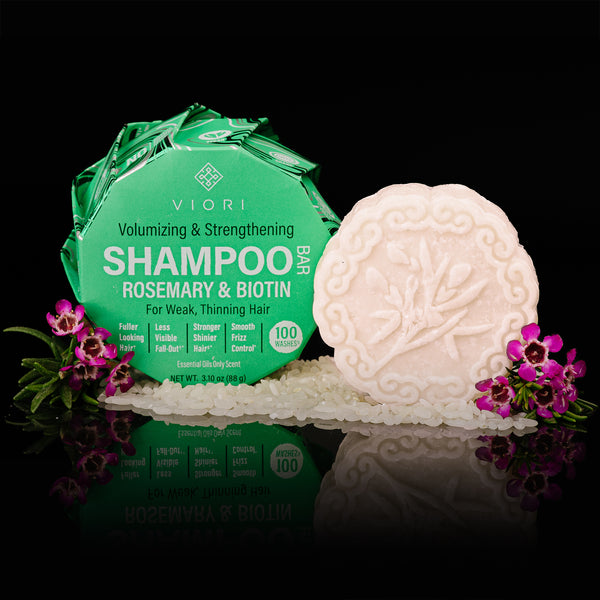
Real reviews for Rosemary Biotin Shampoo Bar – Thinning Hair | VIORI
For instance, the core philosophy behind Viori is to support the scalp's ecosystem. Their formulas use fermented Longsheng rice water, which is rich in nutrients like inositol and panthenol-compounds shown in studies to support a healthy hair growth environment. Ingredients like aloe vera and bamboo extract are included specifically to help soothe the scalp and reduce irritation, which are key factors in maintaining strong follicles.
Final Professional Advice
In summary, while a biotin deficiency is a possibility, it is not the most common culprit. Partner with a medical professional for a diagnosis. Then, support your hair's journey by treating your scalp with kindness, using nourishing, balanced products that fortify the hair from the root. For thinning concerns, I often recommend starting with a fragrance-free, gentle option like the Native Essence bars for a sensitive scalp, or the clarifying Citrus Yao if product buildup is a factor. Remember, patience is key; it can take 2-3 months of consistent, gentle care to begin seeing a positive shift in the health and resilience of your hair.


