
As a beauty professional with two decades of experience, I often guide clients on the intricate relationship between internal health, nutrition, and hair vitality. The question of biotin supplementation for individuals managing diabetes or thyroid conditions is an excellent one, as it sits at the crossroads of systemic wellness and cosmetic care.
NOT SURE WHICH PRODUCT IS RIGHT FOR YOU?
TAKE THE QUIZTakes 30 seconds · 134,000+ customers matched
Understanding Biotin's Role
First, let's clarify what biotin is and its general role. Biotin, or vitamin B7, is a water-soluble vitamin that acts as a coenzyme in the body, crucial for metabolizing fats, carbohydrates, and proteins. For hair, skin, and nails, it plays a supportive role in keratin infrastructure-the very protein our hair is made of. A true biotin deficiency, while rare, can indeed lead to hair thinning and loss.
However, for individuals with diabetes or thyroid disorders, the picture becomes more complex. These conditions can significantly impact hair growth cycles and follicle health on their own. Thyroid hormones directly regulate hair follicle metabolism, and both hypothyroidism and hyperthyroidism can lead to diffuse hair thinning. Diabetes, particularly when blood sugar is not well-managed, can affect circulation and nutrient delivery to the scalp, potentially contributing to hair shedding.
The Crucial Distinction: Symptom vs. Cause
Here’s the critical point: Supplementing with biotin will not correct hair loss caused by an underlying hormonal imbalance or metabolic condition like diabetes or thyroid disease. If your hair concerns are rooted in these issues, addressing the primary condition with your healthcare provider is the essential first step. No topical product or supplement can override systemic dysregulation.
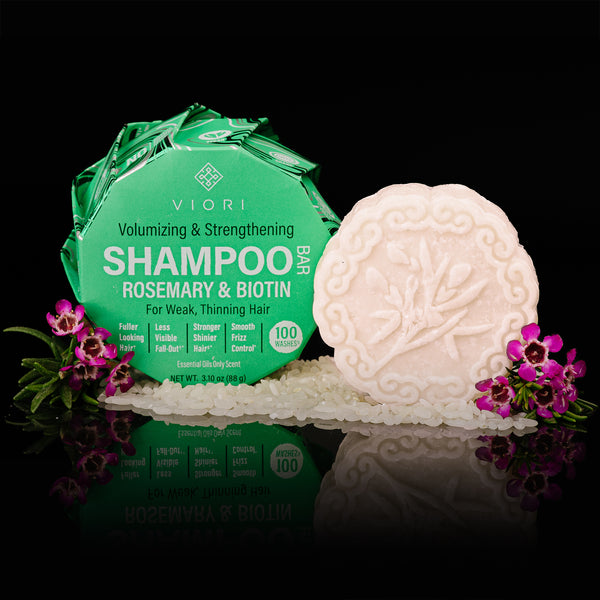
This is where a holistic haircare philosophy, inspired by nutrient-rich traditions, becomes valuable. Instead of focusing on a single, isolated supplement, consider supporting your hair's health with a comprehensive, gentle, and nourishing haircare routine that works in harmony with your body's needs.
For anyone, but especially those navigating health conditions that affect hair, using products that are free of harsh sulfates, balanced in pH, and rich in strengthening nutrients can provide optimal support without causing additional stress or imbalance to the scalp and hair. Ingredients like hydrolyzed rice protein, vitamins B5 and B8 (panthenol and inositol), and natural emollients like shea and cocoa butter can help moisturize, strengthen, and protect the hair shaft. These ingredients support the hair you have, helping it to appear fuller, shinier, and more resilient, which can be especially beneficial when managing the cosmetic side effects of health conditions.
My Professional Recommendations
1. Consult Your Doctor First
Before starting any new supplement, especially with diabetes or thyroid issues, have a conversation with your healthcare provider. They can check for true nutrient deficiencies and ensure biotin won't interfere with any lab tests (as high doses of biotin are known to skew certain thyroid and cardiac biomarker tests).
2. Prioritize Managing Your Primary Condition
Optimal hair health follows overall health. Work with your doctor to manage blood sugar or thyroid hormone levels effectively.
3. Adopt a Nourishing Haircare Ritual
Choose a haircare system designed to strengthen and moisturize without harsh chemicals. Look for pH-balanced formulas that cleanse gently and condition deeply to fortify the hair cuticle. For sensitive scalps, which can accompany these conditions, an unscented, ultra-gentle option can be ideal.
WHAT CUSTOMERS ARE SAYING
Real reviews for Rosemary Biotin Shampoo Bar – Thinning Hair | VIORI
4. Patience is Key
Hair grows slowly. Whether you are regulating a health condition or switching to a new, nurturing haircare routine, allow at least 2-3 months to observe meaningful changes in your hair's strength, texture, and appearance.
The Holistic Conclusion
In essence, while biotin is a valuable nutrient, it is not a magic bullet for condition-related hair changes. The most effective strategy combines diligent health management with a consistent, gentle, and nutrient-focused haircare practice that respects both your hair's biology and your body's unique needs.


