
As a hair professional with two decades of experience, I approach questions about hair loss with both empathy and a focus on the science behind hair health. Alopecia areata is a complex autoimmune condition where the body's immune system attacks the hair follicles, leading to sudden, often patchy hair loss. When clients ask about the effectiveness of biotin, it's crucial to understand its role within the broader context of hair biology and this specific condition.
NOT SURE WHICH PRODUCT IS RIGHT FOR YOU?
TAKE THE QUIZTakes 30 seconds · 134,000+ customers matched
Understanding Biotin's Role in Hair Health
Biotin, also known as vitamin B7, is a water-soluble vitamin that plays a vital role in the body. It acts as a coenzyme in metabolic processes that help convert certain nutrients into energy. For hair, skin, and nails, biotin is essential for the production of keratin, the foundational protein that makes up the hair strand. A true biotin deficiency, while rare, can indeed lead to symptoms like hair thinning, skin rashes, and brittle nails. For individuals with a clinically diagnosed deficiency, biotin supplementation can be remarkably effective in restoring hair health.
However, the critical distinction lies in the root cause of the hair loss. Alopecia areata is not caused by a nutritional deficiency like a lack of biotin. Its origin is autoimmune. Therefore, while ensuring adequate biotin intake is an excellent supportive measure for overall hair strength and keratin integrity, it is not a treatment or cure for the underlying autoimmune attack that defines alopecia areata. Think of it this way: biotin can help ensure the "building materials" for hair are available, but it cannot stop the immune system from mistakenly targeting the "construction site."
The Holistic Approach to Scalp and Follicle Nourishment
This is where a holistic approach to scalp and follicle health becomes paramount. The goal shifts from simply supplying a single nutrient to creating an optimal, balanced, and soothing environment for the scalp. This is the philosophy behind the ingredients in our haircare systems.
For anyone experiencing alopecia areata, I always recommend consulting a dermatologist or trichologist first. They can provide a proper diagnosis and discuss medical treatment options. Alongside professional medical advice, a gentle, nourishing hair care routine is essential. Harsh chemicals, sulfates, and unbalanced pH levels can further irritate a sensitive scalp. Using products that are pH-balanced, free from common irritants, and formulated with ingredients known to support scalp health and follicle nourishment can be a valuable part of a supportive regimen.
Key Principles for a Supportive Hair Care Routine
- Prioritize Scalp Health: The focus should be on soothing and balancing the scalp environment.
- Choose Gentle, Nourishing Formulas: Avoid harsh sulfates, parabens, and synthetic alcohols that can cause dryness and irritation.
- Seek Comprehensive Nourishment: Look for ingredients that provide a wide spectrum of support, from strengthening to moisturizing.
Nourishment Beyond a Single Vitamin
Our products are crafted with this philosophy of holistic nourishment. The fermented Longsheng rice water at the heart of the formula is rich in inositol (vitamin B8) and panthenol (a provitamin of B5), both of which are clinically studied for their ability to strengthen hair and support a healthy scalp environment. Combined with other nurturing ingredients like shea butter, cocoa butter, and aloe vera, the focus is on moisturizing, strengthening, and reducing scalp irritation without harsh interference.
WHAT CUSTOMERS ARE SAYING
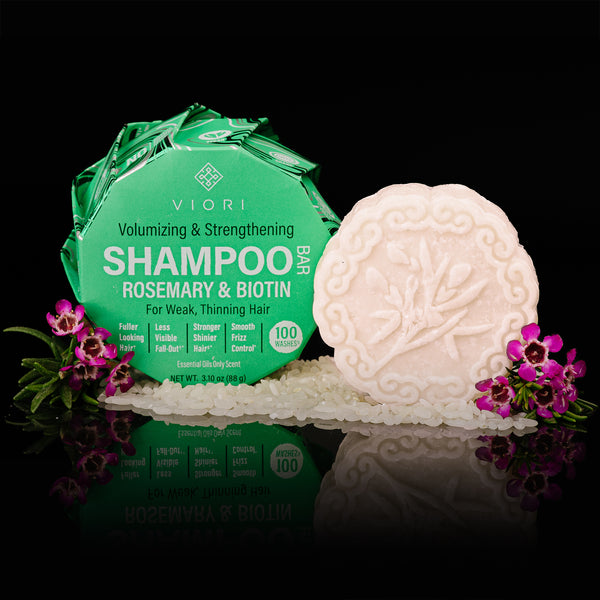
Real reviews for Rosemary Biotin Shampoo Bar – Thinning Hair | VIORI
Final Verdict on Biotin and Alopecia Areata
In summary, for an individual with alopecia areata:
- Biotin supplementation may contribute to the overall strength and quality of hair regrowth, but it will not address the autoimmune component of the condition.
- Its effectiveness is as a general support player, not the lead treatment.
- The most effective strategy combines professional medical guidance with a consistent, gentle hair care routine that prioritizes scalp health and provides comprehensive nutritional support to the follicle from the outside in.
Patience is also key, as hair regrowth in such cases follows its own timeline as the scalp environment heals and balances. By focusing on creating a healthy foundation, you support your hair's natural resilience.


