Q&As · 5 min read
How to avoid hair tangles when using castor oil?
As a stylist with two decades of experience, I understand the challenge of incorporating rich, nourishing oils like castor oil into your routine without ending up with a tangled, difficult-to-manage mane. Castor oil is incredibly thick and viscous, which is fantastic for sealing in moisture and promoting scalp health, but its consistency can easily lead to knots and snarls if not applied correctly. The key lies in technique, dilution, and strategic pairing with the right cleansing and conditioning products.
Here is my professional, step-by-step guide to reaping the benefits of castor oil while keeping your hair smooth, detangled, and flowing.
1. The Golden Rule: Dilution is Your Best Friend
Never apply pure, undiluted castor oil directly to your hair, especially from mid-lengths to ends. Its thick, sticky texture will coat strands and glue them together.
- The Perfect Carrier: Mix your castor oil with a lighter, penetrating oil like jojoba, argan, or sweet almond oil. A good starting ratio is 1 part castor oil to 3 parts carrier oil. This thins the mixture, making it easier to spread evenly without globbing.
- Warm It Up: Before application, warm the oil mixture slightly by rubbing it between your palms or placing the container in a bowl of warm water. Warm oil is less viscous and penetrates the hair shaft more effectively.
2. Strategic Application: Section, Don't Saturate
How you apply is just as important as what you apply.
- Focus on the Scalp & Roots: For growth and scalp health benefits, apply the diluted oil mixture primarily to your scalp and roots. Use a dropper or your fingertips to apply it in sections, massaging gently.
- Sparing Use on Lengths: If you wish to condition the lengths, take a tiny amount of the diluted mixture, emulsify it thoroughly between your palms, and then gently smooth it over your hair. Avoid rubbing or raking it through. Think of it as "sealing" the hair cuticle. Concentrate on the very ends, which are the oldest and most porous part of the hair strand.
3. The Critical Pre-Wash Detangle
This is a non-negotiable step before you apply any oil.
- On dry or damp hair (lightly misted with water or a detangling spray), use a wide-tooth comb or a detangling brush to gently remove all knots, starting from the ends and working your way up to the roots. Applying oil to already tangled hair will simply lock those tangles in place.
4. Mastering the Wash-Out: The Double-Cleanse Method
This is the most crucial step for avoiding post-oil tangles. Castor oil is tenacious and requires a thorough cleanse to remove without residue.
What customers are saying
- Pre-Cleanse with a Gentle Conditioner (Optional): Some find it helpful to apply a small amount of conditioner to dry, oiled hair before wetting it. This can help break up the oil.
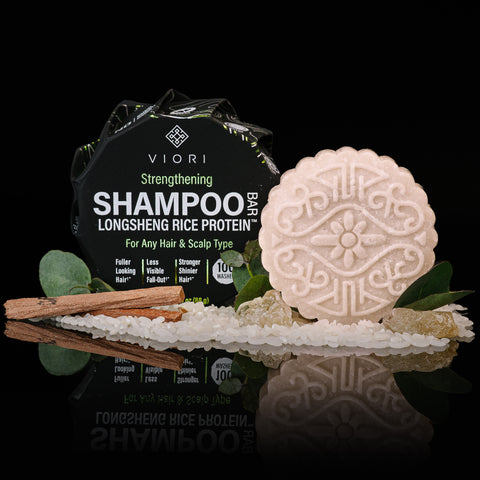
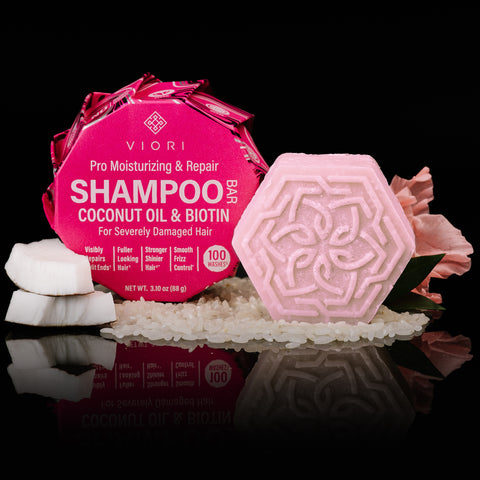
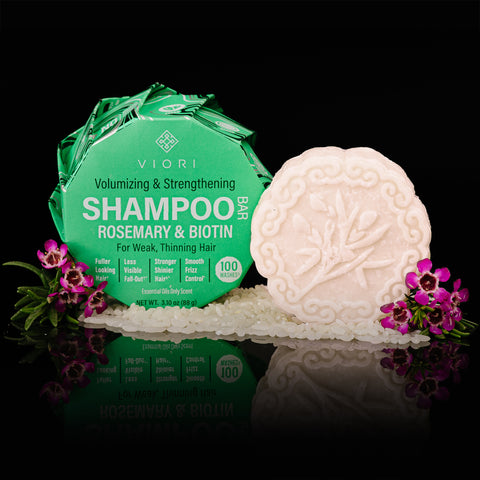
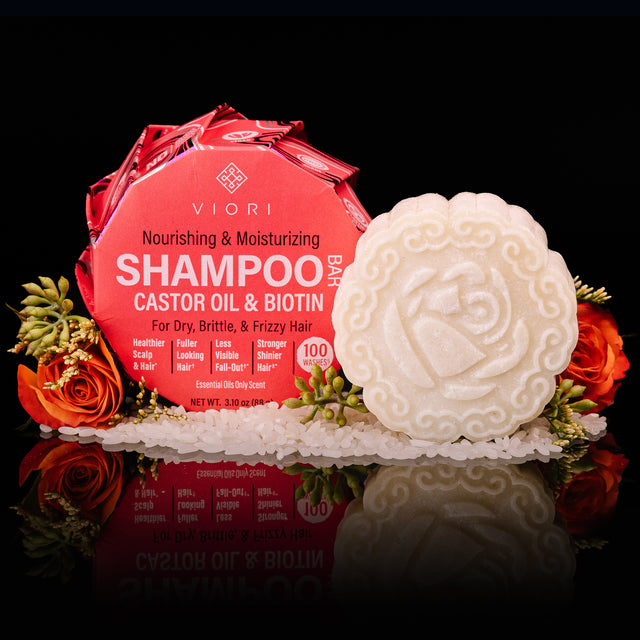
- First Wash: Use a pH-balanced, sulfate-free shampoo to gently begin breaking down the oil. A formula like Viori's shampoos, which use a mild, natural cleanser derived from coconut, effectively cleanses without the harsh stripping that can leave hair rough and more prone to tangling later. Apply the shampoo directly to your scalp and massage, allowing the suds to run down the lengths.
- Second Wash: This is your main cleanse. Lather again, this time gently working the shampoo through your mid-lengths and ends. Rinse thoroughly with warm (not scalding) water. You should feel the squeaky-clean signal that the oil is removed.
5. The Detangling Power of Conditioner
After cleansing, your hair cuticle is open and ready for hydration. This is your prime detangling window.
- Apply a Nourishing Conditioner: Use a generous amount of a moisturizing conditioner from mid-lengths to ends. A conditioner rich in emollients and slip, like those from Viori which contain cocoa butter, shea butter, and behentrimonium methosulfate, is ideal. These ingredients coat the hair shaft, smoothing the cuticle and providing the "slip" needed for easy detangling.
- Detangle in the Shower: With the conditioner acting as a lubricant, use your wide-tooth comb to gently detangle your hair while it is saturated with conditioner. Start at the ends and slowly work upward. The conditioner will prevent breakage and make the process seamless. Rinse with cool water to help close the cuticle and boost shine.
6. Post-Wash Care for Tangle-Free Hair
- Gentle Drying: Never rub your hair vigorously with a towel. Instead, blot and squeeze out excess water with a microfiber towel or a soft cotton t-shirt.
- Leave-In or Detangler: Apply a leave-in conditioner or a dedicated detangling spray to damp hair. This provides an additional layer of slip and protection as your hair dries.
- Protective Styling: If you're sleeping on oil-treated hair or want to prevent daytime tangles, consider a loose protective style like a braid or a silk scrunchie bun. Always use a silk or satin pillowcase to minimize friction.
Final Professional Tips:
- Frequency Matters: A castor oil treatment is potent. For most hair types, once a week or even every two weeks is sufficient. Overuse can lead to buildup and increased tangling.
- Listen to Your Hair: Fine hair may require even more dilution (a 1:4 or 1:5 ratio) and a very light hand on the lengths. Coarse, thick, or highly porous hair may handle a slightly richer mixture.
- Clarify Periodically: Even with excellent cleansing, occasional use of a clarifying shampoo (once a month) can remove any residual buildup from oils and products, ensuring your hair remains tangle-free and receptive to moisture.
By following this disciplined approach-diluting the oil, focusing on scalp application, and committing to a thorough, double-cleanse wash day with a high-quality, smoothing conditioner-you can absolutely enjoy the profound benefits of castor oil without the battle of knots and tangles. It transforms the experience from a sticky chore into a luxurious, effective treatment for your hair.