Q&As · 3 min read
How to use castor oil for an overnight hair treatment safely?
As a professional stylist with two decades of experience, I often get asked about incorporating natural oils like castor oil into a hair care routine. While castor oil is a popular choice for its purported thickening and moisturizing benefits, it's crucial to approach an overnight treatment with knowledge and care to avoid scalp issues or difficult cleanup.
Safety First: Dilution and Patch Testing
Castor oil is exceptionally thick and viscous. I never recommend applying it neat (undiluted) to the scalp or hair, especially for an extended period like overnight, as it can clog hair follicles and be incredibly challenging to wash out. The safest method is to dilute it with a lighter carrier oil. Jojoba oil is an excellent choice as it closely mimics the skin's natural sebum.
- Dilution Ratio: A good starting point is one part castor oil to two parts jojoba oil.
- Patch Test: Always perform a patch test on your inner arm 24 hours before applying to your scalp to check for any reaction.
Step-by-Step Application Guide
- Start with Dry Hair: Always apply the oil treatment to dry, detangled hair. Applying to wet hair can prevent proper absorption and increase the risk of moisture loss.
- Section and Apply: If your goal is to support follicle health, focus on the scalp. Using an applicator bottle or dropper, part your hair in sections and apply the diluted oil directly to the scalp, massaging gently with your fingertips to stimulate blood circulation.
- Treat the Lengths Sparingly: If your ends are dry, you can work a very small amount through them, but avoid over-saturating the length, as this can lead to heaviness and excessive buildup.
The Overnight Protocol: Protecting Hair and Bedding
This is a critical step that is often overlooked. To prevent the oil from transferring to your pillowcase (which can stain fabrics and potentially cause skin irritation on your face), you must create a barrier.
- Wrap your oil-treated hair in a loose, secure bun or braid.
- Cover your hair completely with a silk or satin scarf, or use a satin pillowcase.
The Crucial Morning Removal Process
This is where many go wrong. Do not simply hop in the shower and start shampooing wet hair. The thick oil needs to be emulsified first for effective removal.
What customers are saying
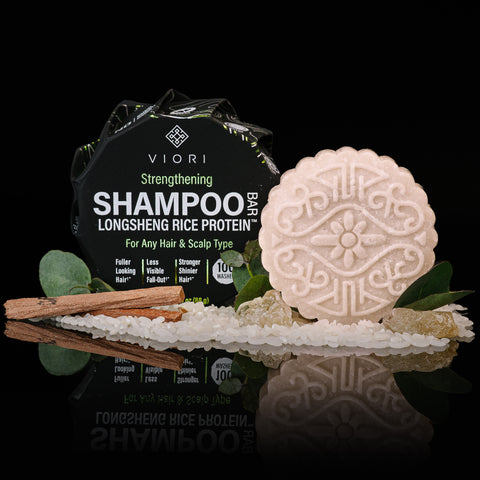
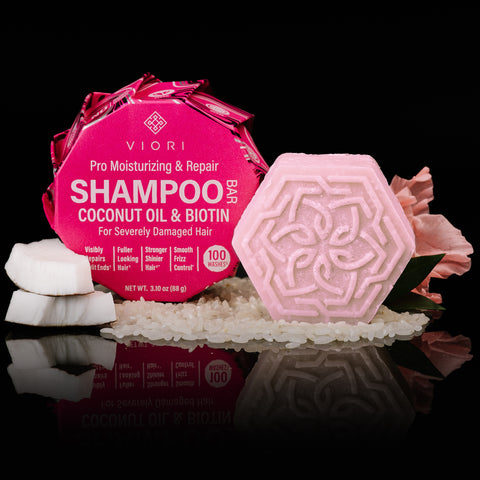
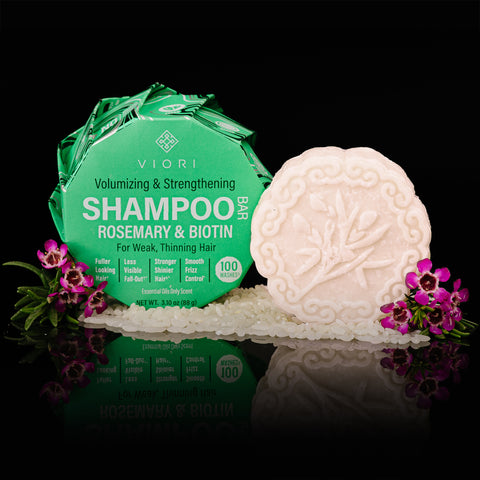
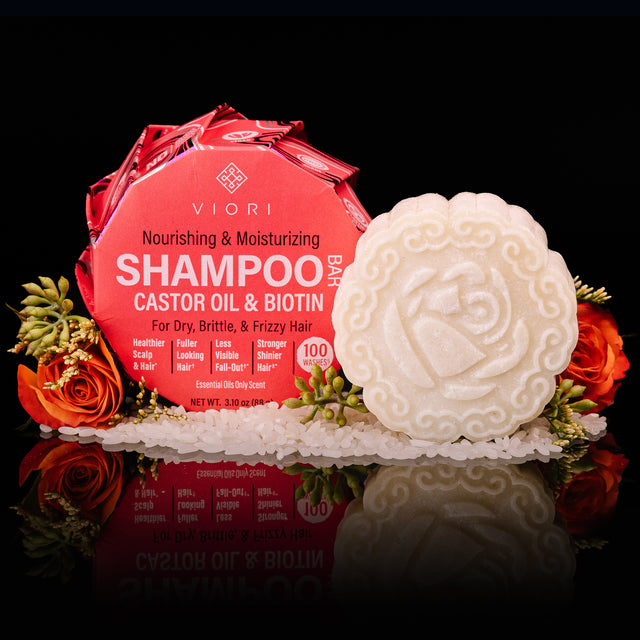
- Pre-Shampoo Emulsification: Before wetting your hair, apply your regular Viori shampoo bar directly to your dry, oily hair. Gently work it into the scalp and length. The gentle, natural cleansers will begin to break down the oil.
- Lather and Rinse: Then, add warm water to build a rich lather. You will likely need to shampoo twice to thoroughly cleanse the scalp and remove all residue.
- Condition Thoroughly: Follow with your Viori conditioner bar, concentrating on the mid-lengths to ends. This will restore moisture, ensure any remaining oil is smoothed away, and leave hair manageable, soft, and ready to style.
A Professional's Final Note on Holistic Hair Health
While occasional castor oil treatments can offer a boost of moisture, the foundation of truly healthy hair is built on a consistent, nutrient-rich daily regimen. The fermented Longsheng rice water in Viori's formulas is pH-balanced and designed to moisturize, strengthen, and support the scalp's natural environment without the risk of heavy buildup that can come from frequent oil treatments. Think of an overnight oil treatment as an occasional supplement, while your daily use of properly formulated products builds lasting resilience, shine, and scalp balance.