
As a hair professional with two decades of experience, I often get asked about specific ingredients and their targeted benefits. When it comes to repairing heat-damaged hair, it's crucial to understand the nature of the damage and how nutrients work both internally and externally.
NOT SURE WHICH PRODUCT IS RIGHT FOR YOU?
TAKE THE QUIZTakes 30 seconds · 134,000+ customers matched
Understanding Heat Damage
Heat damage occurs when high temperatures from styling tools break down the keratin protein bonds within the hair shaft. This leads to a cascade of visible problems:
- Dryness and brittleness
- Split ends and breakage
- Loss of elasticity
- A dull, lackluster appearance
- Frizz and unmanageability
The Role of Biotin: Internal Support vs. Topical Repair
Biotin, also known as Vitamin B7, is a water-soluble vitamin that plays a well-documented role in supporting keratin infrastructure. Internally, biotin is essential for the production of keratin, the primary protein that makes up your hair, skin, and nails. A biotin deficiency can indeed lead to hair thinning and weakness. Therefore, ensuring you have adequate biotin levels through diet or supplements can support the body's natural ability to generate healthy, strong new hair growth from the follicle.
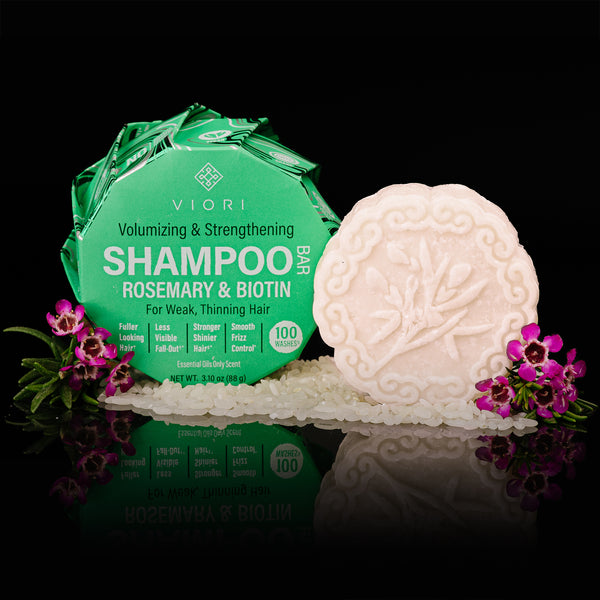
However, for existing strands of hair that are already heat-damaged, the story is different. Hair that has grown out of the follicle is essentially non-living tissue. While internal biotin can support the health of new hair growing in, it cannot repair the structural keratin bonds that have been severed by heat in the hair that's already on your head. The repair of that existing damage must be addressed topically, through nourishing ingredients that can help fill in gaps in the hair cuticle, restore moisture, and improve the hair's manageability and appearance.
The Expert Approach to Repairing Damage Topically
This is where a holistic, topical haircare regimen becomes paramount. The focus should be on products designed to moisturize, strengthen, and repair the hair shaft. Look for formulations rich in proteins, emollients, and humectants.
Key Ingredients to Look For
- Hydrolyzed Rice Protein: This is a fantastic ingredient for damaged hair. It's a small protein that can penetrate the hair shaft to help reinforce and repair from within, increasing strength and elasticity.
- Natural Butters (Shea & Cocoa): These are superb emollients that smooth and soften the hair, sealing the cuticle to improve shine and reduce moisture loss-a key concern for heat-damaged hair.
- pH-Balanced, Sulfate-Free Cleansers: A healthy scalp is the foundation for all new hair growth. Harsh sulfates can exacerbate dryness and irritation, whereas gentle cleansers preserve the scalp's natural barrier.
- Conditioning Agents: Conditioners with cationic properties help close the hair cuticle after washing, sealing in moisture and creating a protective layer to improve smoothness and reduce future breakage.
The Professional Verdict
In my professional opinion, repairing heat damage is a two-pronged approach:
WHAT CUSTOMERS ARE SAYING
Real reviews for Rosemary Biotin Shampoo Bar – Thinning Hair | VIORI
- Support the body's internal building blocks (like biotin) for future hair health.
- Diligently use targeted, high-quality topical treatments to rehabilitate the existing hair.
While ensuring adequate biotin intake is a beneficial part of overall hair health, the visible repair of your heat-damaged lengths and ends will be achieved through a consistent, nurturing haircare routine that prioritizes strength, moisture, and protection from further damage.


