
As a beauty professional with two decades of experience, I often encounter clients navigating the complex relationship between hair health and underlying conditions like thyroid imbalances. While your question specifically asks about biotin, I want to approach this with the holistic perspective that hair care requires, especially when systemic health is involved.
NOT SURE WHICH PRODUCT IS RIGHT FOR YOU?
TAKE THE QUIZTakes 30 seconds · 134,000+ customers matched
Understanding Thyroid-Related Hair Changes
First, it's crucial to understand the landscape. Thyroid disorders, whether hypothyroidism or hyperthyroidism, can significantly disrupt the hair growth cycle. This often leads to diffuse thinning, dryness, and brittle hair because the thyroid hormone is essential for regulating metabolism in hair follicles. When addressing hair concerns related to thyroid issues, the primary focus must always be on working with a healthcare provider to achieve proper thyroid hormone balance through medication and lifestyle. No topical or supplemental intervention can override an unbalanced system.
The Role and Limits of Biotin
Now, to the role of biotin, also known as Vitamin B7. Biotin is a water-soluble vitamin that plays a key role in the production of keratin, the foundational protein of hair. A deficiency in biotin can indeed lead to hair loss. For individuals with thyroid issues, some factors might contribute to lower biotin levels or increased need. Certain medications and the metabolic changes associated with thyroid dysfunction can potentially affect nutrient absorption and utilization.
However, here is the critical nuance: Biotin supplementation is only effective for hair growth if there is a pre-existing biotin deficiency. For the majority of people, even those with thyroid conditions, a true biotin deficiency is rare because it is found in many common foods and produced by gut bacteria. Therefore, supplementing with biotin when you are not deficient is unlikely to stimulate new hair growth.
A Critical Caution on Testing
Furthermore, there's an important caution for those with thyroid conditions. High-dose biotin supplements can interfere with certain lab tests, including thyroid function tests (like TSH, T3, T4) and tests for thyroid antibodies. This interference can make results appear falsely normal or abnormal, leading to incorrect clinical decisions. If you are taking biotin, it is generally recommended to discontinue it for several days before blood testing, under your doctor's guidance.
A Professional's Approach to Supportive Hair Care
From a professional haircare standpoint, while internal balance is being addressed, the focus should shift to nurturing and protecting the hair you have and creating an optimal scalp environment for healthy regrowth. This is where a philosophy like that behind Viori can be incredibly supportive. The approach isn't about a single "miracle" ingredient like biotin, but about providing comprehensive, gentle nourishment.
Consider the principle of using nutrient-rich, fermented ingredients. Fermentation breaks down compounds into more bioavailable forms, allowing the hair and scalp to absorb vitamins and minerals more effectively. This includes B vitamins like inositol (B8) and panthenol (B5), which are known to support hair strength and the health of the hair follicle-a crucial consideration when hair may be weakened due to metabolic changes.
For someone managing a thyroid condition, selecting hair products that prioritize scalp health, moisture, and strength without harsh chemicals is paramount. A gentle, pH-balanced regimen can help soothe a potentially dry, irritated scalp-a common complaint-while delivering proteins and lipids that fortify the hair shaft to prevent breakage. The goal is to support the hair's natural resilience as your body works to find its internal equilibrium.
WHAT CUSTOMERS ARE SAYING
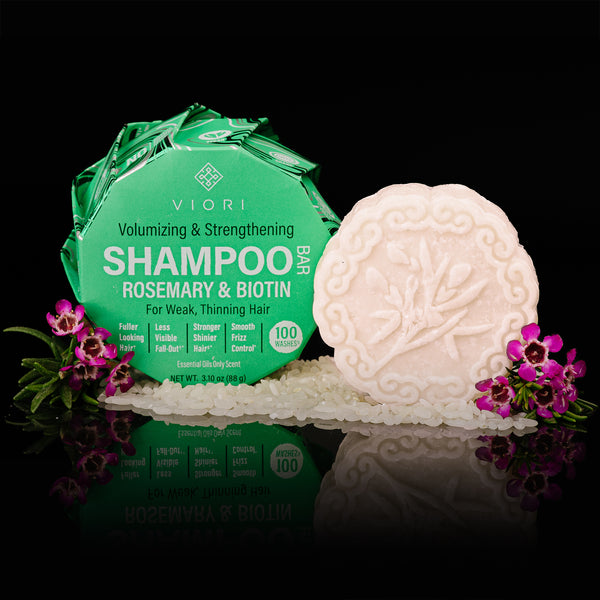
Real reviews for Rosemary Biotin Shampoo Bar – Thinning Hair | VIORI
The Holistic Path Forward
In summary, while ensuring adequate biotin intake through a balanced diet is wise, its supplementation for hair growth in thyroid patients is not a guaranteed solution and comes with caveats regarding testing. Effective management is a triad:
- Medical: Partner with your endocrinologist for optimal thyroid hormone regulation.
- Nutritional: Maintain a balanced, nutrient-dense diet to support overall health.
- Topical: Use a gentle, nourishing hair care system that strengthens existing hair and promotes a healthy scalp environment without interference.
True hair recovery from thyroid-related changes is a journey of patience and consistent, holistic care, both internally and externally.


