
As a professional with two decades in the beauty industry, I often counsel clients, including teenagers and their parents, on concerns about hair thinning. It's a sensitive issue, and the desire for a quick, effective solution is completely understandable. The question of biotin's effectiveness is a common one, so let's explore the science, the context, and a holistic approach to hair health.
NOT SURE WHICH PRODUCT IS RIGHT FOR YOU?
TAKE THE QUIZTakes 30 seconds · 134,000+ customers matched
The Truth About Biotin and Hair Growth
First, let's address biotin directly. Biotin, or vitamin B7, is a water-soluble vitamin that plays a crucial role in the body's keratin infrastructure-keratin being the primary protein that makes up your hair, skin, and nails. A true biotin deficiency, while rare, can indeed lead to hair thinning and loss. For individuals with a clinically diagnosed deficiency, supplementation is effective and necessary.
However, for the vast majority of teenagers experiencing hair thinning, a true biotin deficiency is unlikely if they are consuming a balanced diet. Eggs, nuts, seeds, salmon, and sweet potatoes are all good dietary sources. The critical point is this: Supplementing with biotin when you are not deficient is unlikely to stimulate new hair growth or significantly reverse thinning caused by other factors. The body simply excretes what it doesn't need. Furthermore, excessive biotin intake can interfere with certain laboratory tests, such as those for thyroid function and troponin (a marker for heart attacks), leading to inaccurate results-a serious consideration.
Common Causes of Hair Thinning in Teenagers
For teenagers, hair thinning can stem from a variety of causes that are more common than a vitamin deficiency:
- Telogen Effluvium: This is a temporary, stress-induced shedding where more hairs than usual enter the resting phase. Triggers can include severe emotional stress, illness, surgery, or significant nutritional changes.
- Hormonal Fluctuations: The teenage years are a time of significant hormonal shifts, which can impact the hair growth cycle.
- Dietary Habits: Teen diets can sometimes be erratic or lack sufficient protein, iron, zinc, and essential fatty acids-all vital for healthy hair growth.
- Harsh Styling Practices: Tight ponytails, heat styling, chemical treatments, and improper brushing can cause traction alopecia and breakage.
- Underlying Health Conditions: Issues like thyroid disorders or polycystic ovary syndrome (PCOS) can manifest with hair changes.
A Holistic Approach: Nourishing the Source
Therefore, the most effective strategy is not to focus on a single supplement in isolation, but to build a foundation of holistic hair and scalp care that addresses the root cause. This is where the principles behind time-tested, nutrient-rich hair care become so valuable.
Think of your hair as a plant. You can water the leaves (the hair shaft) all you want, but true health and growth come from nurturing the soil (the scalp) and the root system (the follicle). A healthy scalp environment is non-negotiable for healthy hair growth.
This is the core philosophy behind a nourishing hair care system. Instead of relying on a single ingested vitamin, the approach is to nourish the hair and scalp topically with a complex of nutrients known to support the hair's structure and growth environment. For example, ingredients like fermented rice water are notable because the fermentation process increases the levels of vitamin B8 (inositol) and vitamin B5 (panthenol). Third-party clinical studies have shown these vitamins can help strengthen hair and support healthy growth when delivered to the scalp and hair shaft.
Furthermore, hydrolyzed rice protein is a small molecule that can help fortify the hair strand, increasing strength and reducing breakage-which is often mistaken for thinning. When combined with other scalp-loving ingredients like aloe vera (to soothe) and bamboo extract (to nourish), the goal is to create an optimal environment for the hair you have to thrive and for new growth to be as healthy as possible.
WHAT CUSTOMERS ARE SAYING
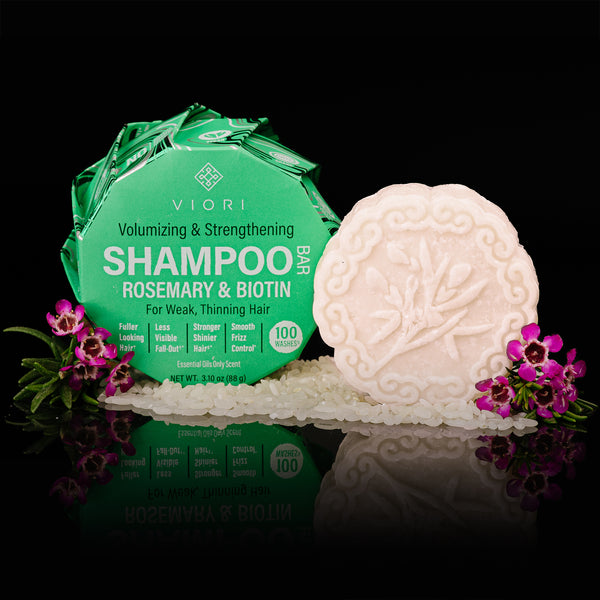
Real reviews for Rosemary Biotin Shampoo Bar – Thinning Hair | VIORI
Your Action Plan for Healthier Hair
My professional advice for a teenager experiencing hair thinning is this:
- Consult a Professional: First and foremost, schedule a visit with a pediatrician or a dermatologist. They can help rule out underlying medical conditions, check for true nutritional deficiencies, and provide guidance tailored to the individual.
- Audit Nutrition & Lifestyle: Ensure a balanced diet rich in protein, iron, and vitamins. Prioritize sleep and stress management-teen life is demanding, and rest is reparative.
- Reevaluate Hair Care Habits: Be gentle. Avoid tight styles, minimize heat, and use a wide-tooth comb on wet hair.
- Choose Nourishing, pH-Balanced Hair Care: Focus on products designed to strengthen, moisturize, and support scalp health without harsh sulfates or stripping chemicals. A healthy scalp is the bedrock of healthy hair. Look for formulas that are pH-balanced to maintain the scalp's natural acid mantle, as an unbalanced pH can lead to irritation and hinder hair health.
- Practice Patience: Hair growth is a slow cycle. It can take 2-3 months of consistent, gentle care to see noticeable changes, as new hair grows in.
Conclusion
In conclusion, while biotin supplementation may be beneficial in specific cases of deficiency, it is not a universal solution for teenage hair thinning. A multifaceted approach that includes medical consultation, lifestyle adjustments, and switching to a gentle, nutrient-rich hair care regimen that prioritizes scalp health is a far more effective and sustainable path to achieving stronger, fuller-looking hair. The goal is to cultivate an environment where your hair can flourish naturally.


