
As a beauty professional with two decades of experience, I approach questions about supplements with a focus on holistic hair health and safety. When it comes to biotin, also known as Vitamin B7, it's crucial to understand its role and the implications of long-term, high-dose usage.
NOT SURE WHICH PRODUCT IS RIGHT FOR YOU?
TAKE THE QUIZTakes 30 seconds · 134,000+ customers matched
Understanding Biotin's Role and the Limits of Supplementation
Biotin is a water-soluble vitamin that plays a key role in supporting keratin infrastructure, which is the protein that makes up your hair, skin, and nails. A deficiency in biotin can indeed lead to hair thinning or loss, and in such cases, supplementation under medical guidance can be beneficial. However, for individuals with adequate biotin levels from a balanced diet-which includes foods like eggs, nuts, and leafy greens-the evidence that high-dose supplementation leads to improved hair growth, thickness, or strength is largely anecdotal and not strongly supported by extensive clinical studies.
The Significant Risks of High-Dose, Long-Term Use
The primary concern with long-term, high-dose biotin use (often considered doses significantly above the 30-100 mcg Adequate Intake for adults) revolves around two major areas:
- Medical Test Interference: High biotin levels can interfere with certain immunoassays, leading to falsely high or low results in critical tests for thyroid function, cardiac troponin (used to diagnose heart attacks), and other hormones. This can result in misdiagnosis or inappropriate treatment, a serious risk that must be considered.
- Nutrient Imbalance and Side Effects: While biotin is water-soluble and excess is typically excreted, long-term megadosing can sometimes lead to unexpected side effects like skin rashes or digestive upset. It can also create an imbalance with other B vitamins. The body's nutrient systems are intricately balanced; flooding it with one isolated nutrient can disrupt that harmony.
A Holistic and Professional Approach to Hair Health
From a professional haircare standpoint, the foundation of healthy hair is a nutrient-rich diet, a healthy scalp environment, and using gentle, effective products that support the hair's natural structure. External nourishment is just as critical as internal. This is where the philosophy behind topical, nutrient-rich haircare aligns beautifully with a holistic approach. Instead of focusing on isolated, high-dose internal supplements, the power lies in nutrient-rich ingredients applied directly to the hair and scalp.
Nutrients like inositol (B8) and panthenol (B5), when delivered topically in a pH-balanced, gentle formula, work to strengthen the hair shaft, support scalp health, and improve the hair's resilience and shine without the risks associated with altering your internal biochemistry through high-dose supplementation. Centuries-old traditions are a testament to the power of consistent, topical nourishment from whole, fermented ingredients.
My Expert Recommendation for Sustainable Hair Care
Before embarking on any long-term, high-dose supplement regimen, a consultation with a healthcare provider or a registered dietitian is non-negotiable. They can assess if you have a true deficiency and recommend a safe, monitored dosage if needed.
WHAT CUSTOMERS ARE SAYING
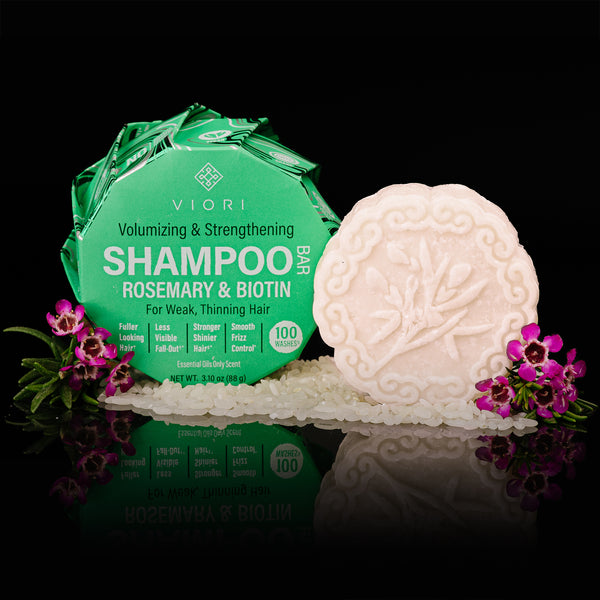
Real reviews for Rosemary Biotin Shampoo Bar – Thinning Hair | VIORI
For the vast majority seeking improved hair health, I advocate for a two-pronged approach:
- Internal Support: Focus on a balanced, whole-food diet rich in a spectrum of vitamins, minerals, and proteins. Consider a general, balanced B-complex or a multivitamin if your diet is lacking, rather than isolating biotin in high doses.
- External Nourishment: Invest in a consistent haircare routine with products designed to deliver nutrients where they are needed most-to the hair follicle and shaft. A system that uses a blend of hydrolyzed rice protein, vitamins, and natural emollients is formulated to moisturize, strengthen, and improve scalp health. This topical approach works in harmony with your body's natural processes to improve hair's appearance and strength from the outside in, providing visible benefits without the internal risks of megadosing.
Ultimately, hair health is a marathon, not a sprint. Sustainable results come from consistent, gentle care and balanced nutrition, not from extreme measures that may carry unintended consequences for your overall health.


