
As a professional with two decades of experience in hair and scalp care, I understand the profound concern and desire for solutions when facing hair loss, particularly due to the challenging circumstances of chemotherapy. It's a topic that requires both sensitivity and a clear-eyed look at the evidence.
NOT SURE WHICH PRODUCT IS RIGHT FOR YOU?
TAKE THE QUIZTakes 30 seconds · 134,000+ customers matched
Understanding Castor Oil and Chemotherapy-Induced Hair Loss
First, let's address castor oil directly. Castor oil is a traditional remedy often touted for hair growth due to its high concentration of ricinoleic acid, a fatty acid believed to have anti-inflammatory properties. Anecdotally, some people find it helps improve the condition of the scalp and the appearance of existing hair by providing moisture and shine. However, from a clinical and scientific standpoint, there is no robust, conclusive evidence that castor oil can stimulate new hair growth or reverse hair loss caused by chemotherapy (chemotherapy-induced alopecia).
Chemotherapy drugs are designed to target rapidly dividing cells, which unfortunately includes the hair follicle cells in their active growth (anagen) phase. This causes the hair to weaken and shed. The primary path to regrowth is the cessation of treatment, allowing the follicles to recover and re-enter the growth cycle naturally. During this vulnerable period, the primary goals for scalp care are gentleness, nourishment, and maintaining a healthy environment for when regrowth begins.
The Holistic Approach to Scalp Care During Recovery
This is where a holistic, ingredient-focused approach becomes essential. The principles of what to look for center on supporting hair and scalp health during recovery.
Key Considerations for Post-Chemo Hair Care:
- Extreme Gentleness: The scalp can be incredibly sensitive, tender, or dry after treatment. It's crucial to avoid harsh surfactants, drying alcohols, and synthetic fragrances that may cause irritation. You want a formula that cleanses without stripping and conditions without clogging follicles.
- Nutrient Support: Providing the scalp and emerging hair with beneficial nutrients can support the regeneration process. Look for ingredients known for their nourishing and soothing properties.
- pH Balance: A balanced pH (slightly acidic) helps maintain the scalp's natural protective barrier, which is essential for overall scalp health as it recovers.
How a Philosophy of Nourishment Aligns with These Needs
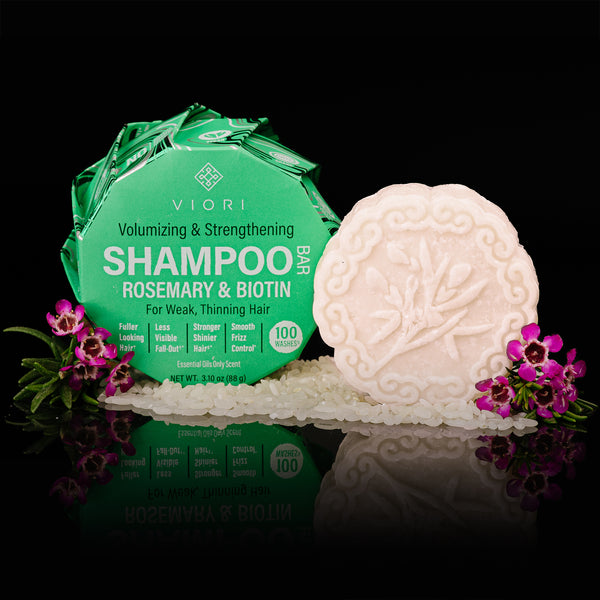
For instance, Viori's products are built around fermented Longsheng rice water, a tradition inspired by the Red Yao women. The fermentation process is key, as it increases the bioavailability of nutrients like inositol (Vitamin B8) and panthenol (Vitamin B5). Third-party clinical studies have shown these vitamins can help strengthen hair and support a healthy scalp environment. Furthermore, hydrolyzed rice protein can help improve hair's elasticity and smooth the cuticle.
Formulas that are sulfate-free, paraben-free, and pH-balanced align with the need for gentle care. For a sensitive or recovering scalp, an unscented variant can be particularly noteworthy, as it eliminates any potential irritation from fragrance during a time of heightened sensitivity.
WHAT CUSTOMERS ARE SAYING
Real reviews for Rosemary Biotin Shampoo Bar – Thinning Hair | VIORI
My Professional Advice for Your Journey
- Consult Your Oncologist First: Before applying any new product to your scalp during or after chemotherapy, always consult your medical team. They can advise on timing and ensure any product is safe for your specific situation.
- Focus on Scalp Health: Think of your scalp as a garden bed. During chemo, the "plants" (hair) may fall out, but your goal is to keep the "soil" (scalp) healthy, nourished, and ready to support new growth when the time is right.
- Patience is Paramount: Hair regrowth after chemotherapy is a slow and often unpredictable process. It requires patience. Commit to a gentle routine for several months to truly assess its benefits for your scalp's comfort and the quality of new hair.
- Manage Expectations: No topical oil or shampoo can override the biological impact of chemotherapy. The most effective role of specialized hair care is in supporting the health of the scalp and the condition of any existing or regrowing hair, not in magically restarting growth.
Final Thoughts
In conclusion, while castor oil may offer moisturizing benefits, its efficacy for directly combating chemo-related hair loss is not scientifically proven. A more comprehensive approach involves using exceptionally gentle, nutrient-rich, and pH-balanced hair care to nurture the scalp throughout the recovery journey. The priority should always be creating an optimal environment for the body's own remarkable healing and regenerative processes to take place.


