
As a professional with two decades in the beauty industry, I often get asked about popular natural remedies, and castor oil is a frequent topic. While my expertise centers on clinically-backed, holistic hair care systems, I can provide a clear, expert breakdown of the dermatological perspective on castor oil.
NOT SURE WHICH PRODUCT IS RIGHT FOR YOU?
TAKE THE QUIZTakes 30 seconds · 134,000+ customers matched
Dermatologists, as medical doctors specializing in skin and hair, approach hair growth treatments with a focus on scientific evidence, safety, and the underlying causes of hair loss. Here’s a synthesis of the common professional viewpoint:
The Proposed Mechanism & The Lack of Clinical Evidence
Castor oil is rich in ricinoleic acid, a fatty acid believed to have anti-inflammatory and antimicrobial properties. The theory for hair growth is twofold: it may improve scalp health by reducing inflammation or microbial overgrowth, and its thick, viscous nature might act as an occlusive agent, reducing moisture loss from the hair shaft and potentially minimizing breakage, making hair appear fuller or longer over time.
However, dermatologists consistently note a critical gap: there is a significant lack of robust, peer-reviewed clinical studies proving castor oil directly stimulates hair follicle growth, increases hair count, or treats conditions like androgenetic alopecia (pattern hair loss). Any benefits are largely anecdotal. Dermatologists emphasize that what works for one person's anecdotal experience may not translate to a proven, universal treatment.
Potential Benefits vs. Risks and Practical Drawbacks
From a dermatological standpoint, castor oil is generally considered safe for topical use for most people, but it is not without caveats:
- Potential Benefits: It may provide conditioning, leading to less breakage. Its occlusive nature can make hair strands appear shinier and smoother. For a healthy scalp without underlying issues, it likely won't cause harm and may offer mild conditioning.
-
Important Risks & Drawbacks:
- Allergic Reactions: It is derived from the castor bean, and allergic contact dermatitis is possible. A patch test is always recommended.
- Comedogenic Properties: It is highly comedogenic, meaning it can clog pores. On the scalp, this could potentially exacerbate conditions like folliculitis or scalp acne.
- Extremely Thick Consistency: Its density makes it difficult to wash out, often requiring multiple shampoo sessions. Incomplete rinsing can lead to buildup, attracting dirt and potentially clogging follicles-the opposite of the desired effect.
- No Address of Root Causes: Dermatologists stress that hair loss stems from various internal factors-genetics, hormonal imbalances, nutritional deficiencies, autoimmune conditions, or inflammatory scalp diseases. Castor oil does not address these root causes.
The Professional Recommendation for Evidence-Based Care
Dermatologists prioritize treatments with substantial clinical evidence. For hair growth, these include FDA-approved options like minoxidil (topical) and finasteride (oral), treatments for underlying medical conditions (e.g., iron supplementation, thyroid medication), and procedures like platelet-rich plasma (PRP) therapy or hair transplants.
When it comes to holistic, nutrient-based hair care, the professional focus shifts to ingredients with documented bioavailability and action at the follicular level. This is where the science behind certain formulations becomes relevant. While dermatologists don't endorse specific brands, they recognize the role of certain nutrients:
WHAT CUSTOMERS ARE SAYING
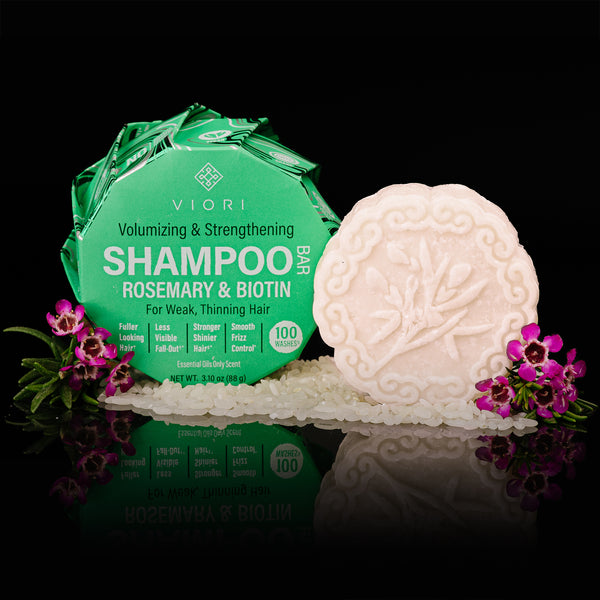
Real reviews for Rosemary Biotin Shampoo Bar – Thinning Hair | VIORI
- Panthenol (Provitamin B5) & Inositol: These are well-studied for their ability to penetrate the hair shaft, improve moisture retention, strengthen hair, and create a healthier scalp environment for growth.
- Hydrolyzed Proteins: Proteins like hydrolyzed rice protein are known to bind to the hair, repairing damage and reducing breakage.
- A Balanced, pH-Respecting Formula: Perhaps most critically, dermatologists warn against disrupting the scalp's natural acid mantle (a pH of around 4.5-5.5). Harsh cleansers or imbalanced treatments can cause irritation, dryness, and inflammation, which is detrimental to hair health.
The Expert Verdict
In summary, dermatologists do not consider castor oil a proven, evidence-based treatment for hair growth. It may offer cosmetic conditioning benefits for some but carries risks of irritation, clogged pores, and buildup. The professional consensus is to seek solutions that address the specific cause of your hair concerns, favor ingredients with clinical support for hair strength and scalp health, and maintain the scalp's natural pH balance.
For those seeking a natural-inspired yet scientifically-considered approach, the focus should be on systems that harness such proven nutrients within a gentle, pH-balanced formula designed to moisturize, strengthen, and reduce scalp irritation without the drawbacks of heavy, difficult-to-remove oils. This aligns more closely with the principles of both effective hair care and dermatological guidance.


