Q&As · 4 min read
What precautions should I take when using castor oil on sensitive scalp?
When incorporating castor oil into your haircare routine, especially with a sensitive scalp, a thoughtful and cautious approach is paramount. While castor oil is a beloved natural emollient known for its potential benefits, its thick, viscous nature can pose challenges for delicate or reactive scalps. As a professional, I advise a methodical strategy to harness its benefits while minimizing any risk of irritation.
The Golden Rule: The Patch Test
First and foremost, the principle of patch testing is non-negotiable. Before applying castor oil to your scalp, perform a test on a small, discreet area of skin, such as behind your ear or on the inner forearm. Apply a diluted amount and leave it for 24-48 hours. Monitor for any signs of redness, itching, burning, or swelling. This step is your most critical safeguard against a full-scalp reaction.
Essential Precautions for Application
Assuming your patch test is successful, follow these essential guidelines to ensure a safe and positive experience.
1. Always Dilute the Oil
Pure castor oil is exceptionally thick and can be difficult to spread and absorb, potentially clogging pores or causing buildup. Always dilute it with a lighter, carrier oil. Excellent choices for sensitive scalps include jojoba oil (which closely mimics the skin's natural sebum), sweet almond oil, or argan oil. A good starting ratio is one part castor oil to two or three parts carrier oil.
2. Use High-Quality, Pure Oil
Opt for 100% pure, cold-pressed, hexane-free castor oil. This ensures you are using the highest grade without unnecessary additives, solvents, or impurities that could trigger a reaction on a sensitive scalp.
3. Master the Application Technique
Avoid applying the oil directly from the bottle. Instead, pour a small amount of your diluted mixture into your palms, warm it slightly, and then gently massage it into your scalp using your fingertips-not your nails. Focus on sections and be gentle. Do not aggressively rub or scrub, as this can cause mechanical irritation.
4. Practice "Less is More"
Use a modest amount. Your goal is a light, even coating on the scalp, not saturating the hair strands. For sensitive skin, over-application can lead to pore blockage and discomfort. Concentrate the oil on the scalp itself.
5. Limit the Contact Time
Do not leave castor oil on for excessively long periods, especially initially. Start with 30 minutes to an hour as a treatment before washing. Overnight applications can be too intense for a sensitive scalp and increase the risk of irritation.
The Most Critical Step: Thorough Cleansing
This is where your haircare routine becomes vital. Castor oil's dense consistency requires a thorough cleanse to remove all residue. Buildup on a sensitive scalp can lead to itchiness, flakiness, and inflammation. I recommend using a gentle, yet effective, cleansing system.
What customers are saying
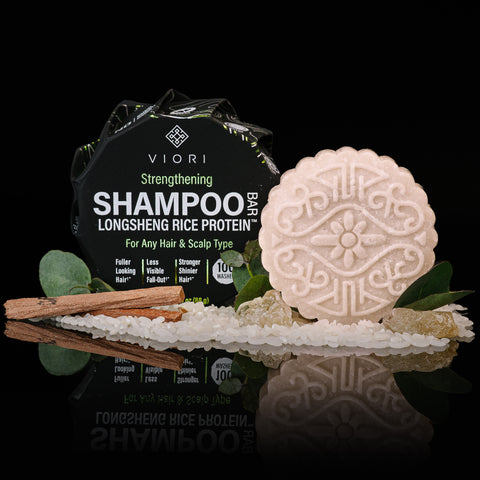
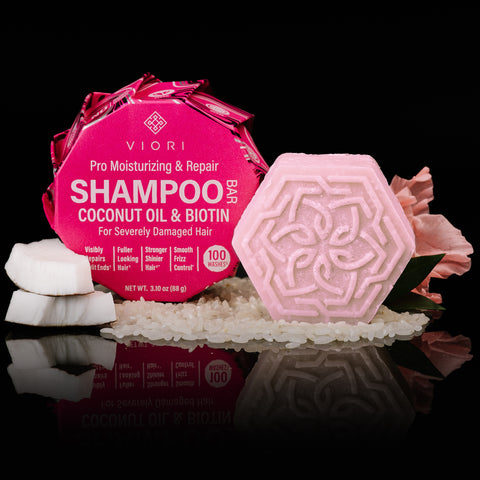
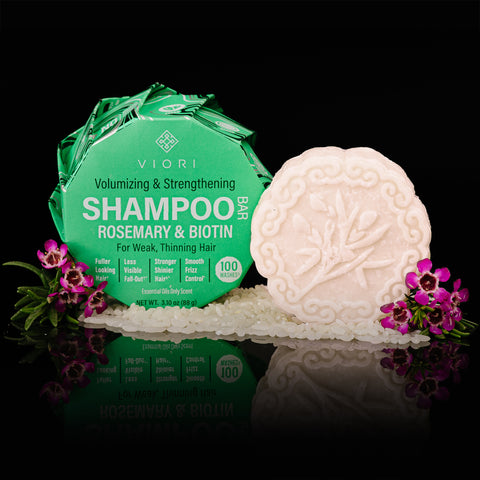
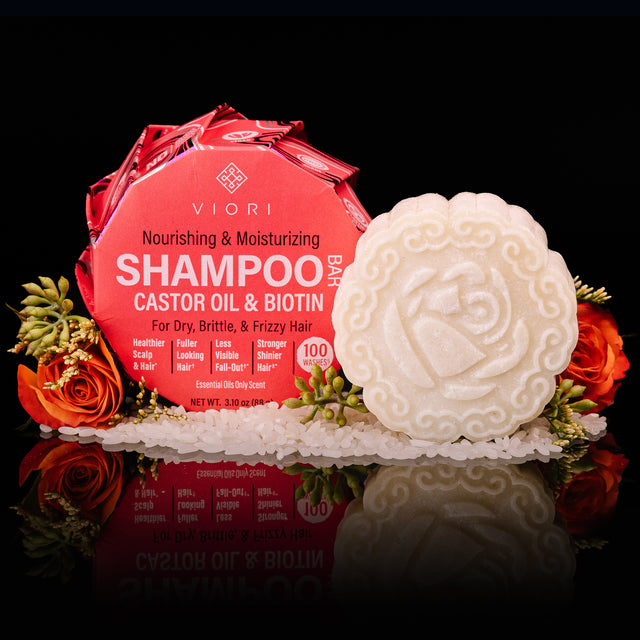
This is an ideal time to incorporate a shampoo bar. Formulated with a natural cleanser derived from coconut, Viori bars are sulfate-free, pH-balanced, and designed to cleanse without stripping or causing imbalance. For a sensitive scalp, the Native Essence unscented shampoo bar is particularly recommended, as it is free from added fragrances and is the most gentle option. It will help effectively clear the castor oil while respecting your scalp's delicate ecosystem. Follow with a conditioner, like the Native Essence conditioner bar, to replenish moisture to your hair lengths after the cleanse.
Ongoing Care and Considerations
- Frequency Should Be Conservative: Incorporate castor oil treatments sparingly. For a sensitive scalp, once a week or even every other week is a sufficient starting point.
- Listen to Your Scalp: Discontinue use immediately if you experience any persistent itching, redness, increased flakiness, or breakouts. Sensitivity can develop over time.
- Consult a Professional: If you have a known scalp condition like seborrheic dermatitis or psoriasis, consult a dermatologist before introducing castor oil.
In summary, treating a sensitive scalp with castor oil is about respect and precision. Dilute it, apply it minimally and gently, cleanse it away thoroughly with a mild, effective shampoo, and always heed your skin's signals. This careful protocol allows you to explore the potential benefits while prioritizing the health and comfort of your scalp.