
Castor oil has been a staple in traditional hair care routines for generations, and its recommendation for addressing hair loss is rooted in several key properties that target common underlying issues. As a stylist, I've seen clients incorporate various natural oils into their regimens, and understanding the "why" behind castor oil can help you make an informed decision about whether it's a good adjunct to your routine.
NOT SURE WHICH PRODUCT IS RIGHT FOR YOU?
TAKE THE QUIZTakes 30 seconds · 134,000+ customers matched
The Science Behind the Recommendation
Primarily, castor oil is celebrated for its high concentration of ricinoleic acid, a unique fatty acid that makes up about 90% of its composition. This compound is believed to be the source of its primary benefits.
1. Soothes the Scalp Environment
Ricinoleic acid has potent anti-inflammatory and antimicrobial properties. For hair loss related to scalp conditions like folliculitis, dandruff, or general inflammation that can choke hair follicles and impede growth, applying castor oil can help soothe the scalp environment. A calm, healthy scalp is the foundational bedrock for healthy hair growth.
2. Reduces Breakage
Castor oil is an exceptional emollient and humectant. It's incredibly thick and viscous, which allows it to create a powerful occlusive layer on both the hair shaft and scalp. This helps to seal in moisture, preventing transepidermal water loss. Dry, brittle hair is more prone to breakage, which can make hair appear thinner. By minimizing breakage along the shaft, you effectively retain more of the hair you have.
3. May Stimulate Circulation
The traditional practice of massaging thick castor oil into the scalp has a dual benefit. The physical act of massage itself stimulates blood flow to the hair follicles, delivering more oxygen and nutrients. The ricinoleic acid is also hypothesized to support this circulatory boost. Better-nourished follicles are more likely to produce strong, healthy hair.
Managing Expectations and Best Practices
It's important to manage expectations. Castor oil is not a miracle cure for genetic hair loss (androgenetic alopecia). Its strengths lie in addressing hair loss that stems from scalp health issues, breakage, and possibly improving the efficiency of the growth cycle for healthy follicles. It's a treatment best suited for strengthening the existing hair and optimizing the scalp's condition.
How to Use Castor Oil Effectively
Given its thick, sticky consistency, castor oil is best used diluted. Here is a simple method:
WHAT CUSTOMERS ARE SAYING
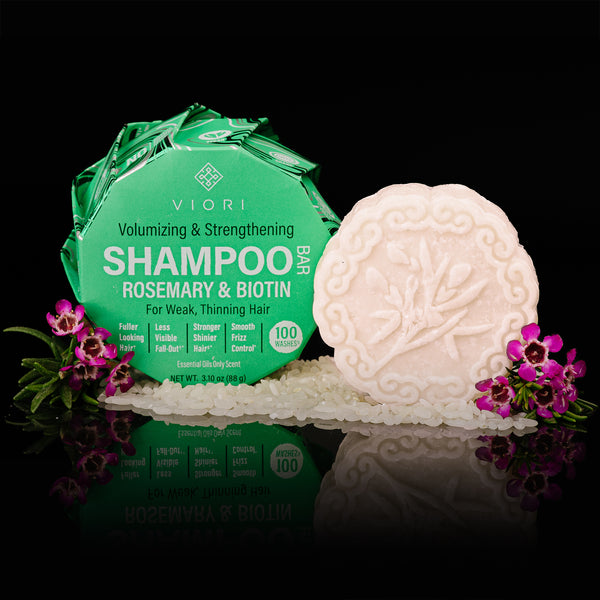
Real reviews for Rosemary Biotin Shampoo Bar – Thinning Hair | VIORI
- Dilute: Mix one part castor oil with two parts a lighter carrier oil like jojoba or argan oil.
- Warm & Apply: Warm the mixture slightly, apply it primarily to the scalp with a focused massage, then work through the mid-lengths and ends.
- Treat & Rinse: Leave it on for at least 30 minutes, or ideally overnight as a deep treatment, before shampooing thoroughly.
Consistency is key-incorporating this as a weekly treatment can yield the best results over time.
A Holistic Approach to Hair Health
For a holistic approach, consider pairing natural treatments like castor oil with a hair care system designed for scalp health and strength. The goal is to combine supportive topical treatments with a daily routine that maintains optimal scalp pH and provides essential nutrients. This creates a comprehensive strategy for retaining hair, reducing breakage, and supporting its health from root to tip, addressing hair loss concerns from multiple angles.


