
Boiled onion water gets marketed as the “gentle” way to use onion for hair growth-less sting than raw onion juice, less intense smell, and (supposedly) the same benefits. But the truth is a lot more interesting than the usual “onions have sulfur, so they grow hair” explanation.
Here’s the part that rarely gets discussed: the moment you boil onion, you change its chemistry. That shift can make it easier to tolerate on the scalp, but it can also reduce the very compounds people assume are doing the heavy lifting. So whether boiled onion helps you depends less on internet folklore and more on your scalp biology, your skin barrier, and how you’re using it.
First, let’s get clear on what “hair growth” usually means
In the chair, when someone tells me “my hair won’t grow,” it’s usually one of two things:
NOT SURE WHICH PRODUCT IS RIGHT FOR YOU?
TAKE THE QUIZTakes 30 seconds · 134,000+ customers matched
- The hair is growing, but it’s snapping off faster than it can gain length (breakage).
- The growth cycle is disrupted (increased shedding, inflammation, or a scalp condition that keeps follicles from thriving).
Topical treatments-DIY or otherwise-don’t “feed” the strand into growing faster like a plant. What they can do is improve (or worsen) the scalp environment, and that environment matters more than most people realize.
The unique angle: boiling onion changes what you’re putting on your scalp
Most online advice treats onion like a single, fixed ingredient. But raw onion juice and boiled onion water are not interchangeable. They behave differently because the compounds inside onion behave differently once heat is involved.
Raw onion: stronger… and more likely to irritate
When you cut or crush raw onion, it releases reactive, volatile sulfur compounds-the same ones that make your eyes water. Those compounds can be antimicrobial, but they’re also commonly responsible for burning, redness, and irritant dermatitis when used on the scalp.
Boiled onion water: usually gentler… but often less potent
Boiling drives off and breaks down many of those volatile compounds. That’s why boiled onion water tends to smell less aggressive and feels “milder.” The trade-off is that you may also be dialing down the very chemistry people are relying on for results.
What’s in onion that could matter for hair and scalp?
Onion contains several categories of compounds, and each one tells a different story when it comes to scalp health.
1) Sulfur compounds (the headline ingredient everyone repeats)
Yes, onion contains sulfur-related compounds. But “sulfur equals hair growth” is an oversimplification. The more useful question is whether those compounds are helping with scalp inflammation or microbial balance-two things that can influence shedding and comfort.
With boiling, many of the strongest, most reactive sulfur compounds are reduced. That can be good if you’re sensitive, but it may also mean less noticeable impact.
2) Flavonoids like quercetin (the more realistic scalp-support angle)
Quercetin gets far less attention than sulfur, but it’s arguably more interesting. It’s associated with antioxidant and anti-inflammatory behavior, which is relevant because low-grade scalp inflammation is a common contributor to shedding and poor hair quality.
One catch: quercetin isn’t very water-soluble, so boiling onion in plain water doesn’t guarantee you’re extracting a meaningful amount.
3) Sugars (the risk almost nobody mentions)
This is the part I wish more people understood before they start slathering kitchen mixtures onto their scalp: onion water can contain residual sugars. If you leave it on too long, don’t rinse well, store it too long, or apply it from a contaminated container, you may be creating a situation that encourages scalp imbalance.
Why results are all over the map
Some people swear boiled onion water helps. Others say it made their scalp itchier, flakier, or caused more shedding. Both experiences can be real, and here’s why the outcome is so variable:
- Batch inconsistency: onion type, water ratio, boil time, and storage can change what you’re applying.
- Scalp barrier status: a healthy barrier tolerates more; an irritated barrier reacts to almost everything.
- Scalp microbiome differences: what “calms” one scalp can disrupt another.
- Breakage vs. regrowth confusion: improved retention can look like faster growth.
The pH issue: a quiet reason DIY rinses can backfire
Hair and scalp generally respond best to products that are pH-balanced. When pH drifts too high (too alkaline), hair can feel rougher, tangle more easily, and look duller over time. The scalp can also feel tighter or more reactive.
Boiled onion water isn’t standardized, so its pH can vary from batch to batch. That variability alone can explain why someone has a “great week” and then suddenly feels like their hair is dry or their scalp is prickly.
So… does boiled onion water actually grow hair?
In my professional experience, if boiled onion water helps, it’s usually because it supports conditions that help hair stay on your head and stay on your length longer-less itch, less scratching, less inflammation, and sometimes better overall scalp comfort.
That’s very different from a guaranteed “new growth” claim. It may be more accurate to say it can support retention for some people, rather than reliably trigger regrowth for everyone.
If you want to try it, do it like a pro (safer, smarter, cleaner)
If you’re determined to experiment, treat it like a short-contact scalp rinse-not a leave-on mask you forget about for hours.
WHAT CUSTOMERS ARE SAYING
Real reviews for Rosemary Biotin Shampoo Bar – Thinning Hair | VIORI
- Patch test first (behind the ear or inner arm) and wait 24-48 hours.
- Use it briefly on the scalp, then rinse thoroughly.
- Don’t store it long-term. Make small amounts and discard if anything smells “off.”
- Avoid if your scalp is compromised (active dermatitis, broken skin, recent chemical services, sunburn).
- Stop immediately if you feel burning, swelling, or notice increased shedding.
Important note: irritation doesn’t just feel bad-it can create the inflammatory conditions that increase shedding. If your scalp is sending you warning signals, listen.
A more consistent path: support the scalp environment without the DIY variables
If your end goal is healthier, stronger hair, the most reliable approach is usually boring (in the best way): gentle cleansing, consistent conditioning, low friction, and products formulated for scalp health.
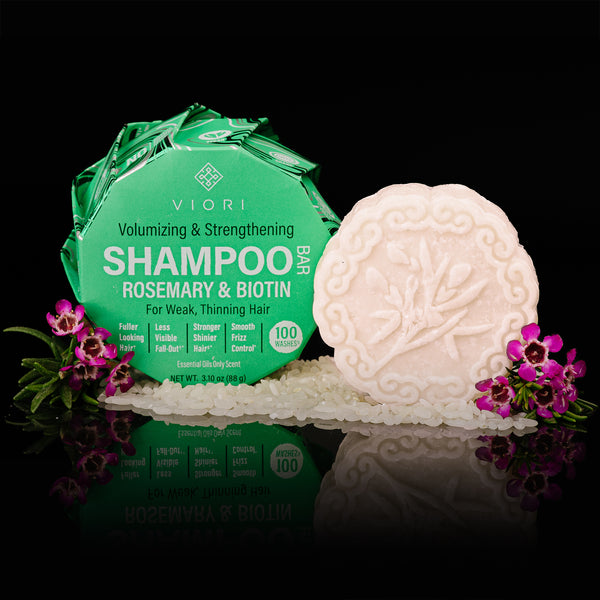
This is where I often steer people toward a routine that’s predictable and balanced. Viori’s pH-balanced shampoo and conditioner bars are designed to support scalp and hair health with fermented Longsheng rice water and other hair-supportive ingredients like aloe vera, bamboo extract, and hydrolyzed rice protein. You get consistency-no batch-to-batch surprises, no spoilage concerns, and no guessing games.
If you’re color-treated, technique matters too. Instead of rubbing a bar directly on your hair, build lather in your hands and apply with your fingers-less friction, gentler handling, and better odds of maintaining the integrity of the cuticle.
My bottom line
Boiled onion water is typically lower-risk than raw onion juice, but it’s also often lower-potency. It may help some people by improving scalp comfort and reducing breakage-related “stuck length,” but it isn’t a guaranteed growth trigger-and it can backfire if it irritates your scalp or disrupts your balance.
If you want a more personalized answer, start with this: how soon does your scalp feel oily after washing (1-2 days, about 3 days, or 4+ days)? Add whether you have flakes/itch and whether your hair is color-treated, and you can build a routine that supports growth in the way that actually counts-through a healthier scalp and better retention.


