
Homemade dry shampoo can feel like a little beauty hack that changes everything-especially on those mornings when washing, drying, and styling simply isn’t happening. But as a stylist, I’ll tell you what most people don’t realize: dry shampoo doesn’t truly clean your hair. It’s an oil-control and volume trick that can look amazing when it’s done right… and can quietly cause scalp drama when it’s not.
So instead of another “mix this powder with that powder” post, let’s talk about what homemade dry shampoo is actually doing on your scalp and hair, why some DIY blends work better than others, and how to use it in a way that keeps your roots lifted without leaving behind that gritty, itchy, coated feeling.
What “Greasy Roots” Really Means (It’s Not Just Oil)
When your roots look greasy, you’re not just seeing “too much sebum.” You’re seeing a combination of oil, light reflection, and the way strands start sticking together at the scalp.
NOT SURE WHICH PRODUCT IS RIGHT FOR YOU?
TAKE THE QUIZTakes 30 seconds · 134,000+ customers matched
- Shine and darkness increase because a thin film of oil changes how hair reflects light.
- Hair clumps because sebum increases adhesion between strands, collapsing volume.
- Grime builds because oil acts like a magnet for dust and pollution particles, which can make hair feel worse by day three even if your scalp isn’t producing dramatically more oil.
Homemade dry shampoo can help with the look and feel of that situation, but it’s important to understand what it can’t do: it can’t remove what’s already there. It can only manage it.
The Most Overlooked Detail: Dry Shampoo Mostly Adsorbs Oil
People say dry shampoo “absorbs” oil, but most DIY options work mainly through adsorption-oil binding to the surface of particles-rather than soaking into them like a sponge. This matters because it means performance depends heavily on powder behavior, not just the ingredient list.
In plain English: two powders can be “oil absorbing,” but if one is finer, spreads more evenly, and sits properly at the root, it will outperform the other by a mile-using less product and leaving less residue behind.
The Rarely Discussed Problem: Your Scalp Turns Powder into Paste
Here’s the part almost nobody talks about online: your scalp is warm, humid, and salty (thanks, sweat). That “microclimate” changes how powders behave. Mix powder with sebum and sweat and you can get a paste-like film that clings to the scalp line and part.
This is often what people mistake for dandruff when they start using dry shampoo more frequently.
- Itch that kicks in a few hours after application
- Waxy or coated roots even though the hair looks less oily
- Flaking that’s actually powder + oil clumps, not true dandruff
- Roots that feel heavy and don’t “move” naturally
Most of the time, it isn’t that your DIY dry shampoo is “bad”-it’s that the formula is too heavy for your scalp type, or you’re applying too much, too often, too close to the skin.
DIY Ingredient Types: What They Do Well (and How They Backfire)
Starches (like arrowroot or rice starch)
Starches are popular for a reason: they’re light, they soften the look of shine, and they give that airy “clean hair” feel when you nail the dose.
- Best for: fine-to-medium hair that needs lift without grit
- Watch-outs: humidity and sweat can make starches feel tacky, and overapplication can leave a pale cast
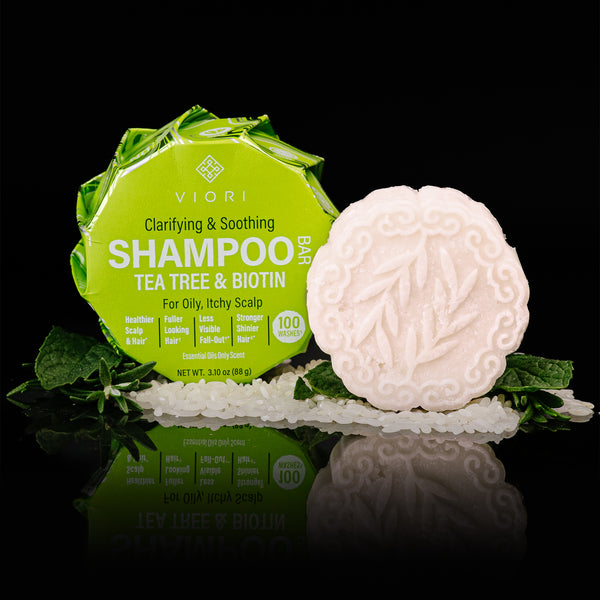
If you love rice-based haircare in your wash routine, remember that rinse-off formats behave differently than leave-on powders. For example, Viori uses fermented Longsheng rice water in pH-balanced shampoo and conditioner bars-great for a wash-day routine-but any dry powder sitting on the scalp needs a lighter touch because it isn’t being rinsed away immediately.
Clays (like kaolin or bentonite)
Clays can be extremely effective on truly oily scalps because they bind oil aggressively and add a ton of grip. The trade-off is that they can increase friction at the root area, which is wonderful for volume… and not always wonderful for the hair fiber over time.
- Best for: very oily scalps, short hair, or styles where you want texture
- Watch-outs: dullness, draggy feel, heavier residue in sweaty conditions
One under-the-radar issue: repeated gritty friction at the crown (especially combined with brushing) can contribute to the “halo frizz” and breakage people notice along their part and hairline.
Tinting powders (to reduce white cast)
Tint ingredients are often added so the powder doesn’t read as dusty on darker hair. The challenge is that many tinting powders are great at color-correcting the look, but not always great at oil binding-so you can end up using more product than you really need.
- Watch-outs: transfer to pillowcases, hats, and hands; potential scalp sensitivity depending on the ingredient
The Pro Method: Application Matters More Than the Recipe
If there’s one change that improves almost everyone’s results, it’s this: stop rushing. Powders need time to bind oil.
- Apply only to scalp-adjacent hair (not your lengths).
- Use a fluffy brush or puff so you can apply a small amount precisely.
- Let it sit for 2-5 minutes.
- Massage lightly, then brush through.
That waiting step is the difference between “wow, my roots look clean” and “why does my head feel gritty and itchy?” If you brush immediately, you’re just moving powder around before it actually does its job-then you apply more, and the buildup cycle begins.
The “Reset Rule”: Dry Shampoo Is a Bridge, Not a Cleanse
Homemade dry shampoo works best as a short-term strategy-think of it as a bridge day, not a replacement for washing indefinitely. It doesn’t remove oxidized oils, sweat salts, or the scalp film that can build up over time.
When it’s time to reset, a gentle wash routine makes all the difference. A pH-balanced cleanser helps keep the cuticle behaving smoothly (highly alkaline cleansing is a common cause of roughness and dullness long-term). Following with conditioner matters too, because conditioning agents cling to the hair fiber and restore slip after cleansing.
WHAT CUSTOMERS ARE SAYING
Real reviews for Tea Tree Shampoo Bar – Oily & Itchy Scalp | VIORI
If your scalp is easily irritated or you’re trying to keep things as simple as possible on wash days, Viori’s Native Essence (unscented) option is often the easiest pairing with a dry-shampoo lifestyle since it keeps fragrance out of the equation while still supporting a healthy wash-and-condition reset.
A Subtle Effect Most People Miss: Dry Shampoo Can Change How Your Hair “Feels” Over Time
This one surprises people: repeated dry shampoo use can make hair at the crown feel rougher-not because your hair suddenly changed, but because the root area is exposed to more friction and manipulation. Over time, that can make the crown act “higher-porosity” even if your porosity hasn’t fundamentally changed.
When that happens, people often overcorrect by putting heavier oils or conditioners too close to the scalp, which can make the roots feel oily faster. The fix is usually simpler than you think: use less powder, apply it more precisely, and keep a consistent wash-day reset with a routine that’s gentle and pH balanced.
Bottom Line
The best homemade dry shampoo isn’t the one with the longest ingredient list-it’s the one you use sparingly, apply correctly, and wash out regularly. If you want it to work with you (not against you), focus on fine particles, low dosage, contact time, and a reliable reset routine.
If you’d like, tell me your hair density (fine/medium/coarse), scalp type (oily by day 1-2, day 3, or day 4+), and whether you sweat a lot. I can help you dial in a DIY approach that fits your hair-and suggest the most supportive Viori bar pairing for your wash days.


