
Let's have a real talk about your scalp. For twenty years behind the chair, I've heard the same whispered confession from clients: "My scalp is so flaky." And every single time, they reach for the strongest, most clinical-looking bottle they can find. It's an instinct we've all been taught-attack the flakes with maximum force.
NOT SURE WHICH PRODUCT IS RIGHT FOR YOU?
TAKE THE QUIZTakes 30 seconds · 134,000+ customers matched
But what if that instinct is wrong? What if your "dandruff" shampoo is the very thing keeping you in a cycle of irritation? The truth is, most flaking isn't a battle to be won with harsh chemicals. It's a conversation with your skin that you need to learn how to listen to.
The Two Faces of a Flaky Scalp
We lump all scalp flakes under one scary word: dandruff. This is where everything goes wrong. In reality, you're likely dealing with one of two very different conditions.
- The Oily Culprit (True Dandruff): This is the classic "dandruff" linked to yeast and excess oil. The flakes are often yellowish, a bit waxy, and cling to your scalp. The skin underneath might look red and feel itchy.
- The Dry Culprit (Scalp Dehydration): This is simply your scalp crying out for moisture. The flakes are small, white, and powdery-they dust off your shoulders like snow. Your scalp feels tight, maybe a little itchy, and definitely parched.
See the problem? Using a powerful, oil-stripping shampoo on a dry, dehydrated scalp is a disaster. It's like trying to put out a fire with gasoline. You strip away the little protective moisture it has left, causing more dryness, more irritation, and yes-more of those tiny white flakes.
How to Actually Soothe Your Scalp (The Right Way)
Calming a flaky scalp isn't about declaring war. It's about smart, strategic care that respects your skin's biology. Think of it as the most important skincare step you're probably missing.
1. Protect Your Scalp's Natural Shield (The Acid Mantle)
Your scalp has a natural, slightly acidic protective layer called the acid mantle. It keeps bad bacteria out and moisture in. Most harsh shampoos are highly alkaline, which shreds this protective shield. Once it's damaged, your scalp is vulnerable to everything-including dryness and fungal overgrowth. The first rule is to use a pH-balanced formula that cleanses without destroying your defenses.
2. Cleanse Gently, Don't Strip
Ingredients like sulfates (SLS, SLES) are industrial-strength degreasers. They don't just clean; they ravage. If your scalp is oily, this can trigger it to pump out even more oil in panic. If it's dry, it leaves the skin barrier in tatters. Ditch the harsh sulfates for gentler cleansers that don't leave that damaging "squeaky-clean" feeling.
3. Choose Your Weapon Based on the Enemy
This is the game-changing step most people miss. You must match your product to your specific type of flake.
WHAT CUSTOMERS ARE SAYING
Real reviews for Tea Tree Shampoo Bar – Oily & Itchy Scalp | VIORI
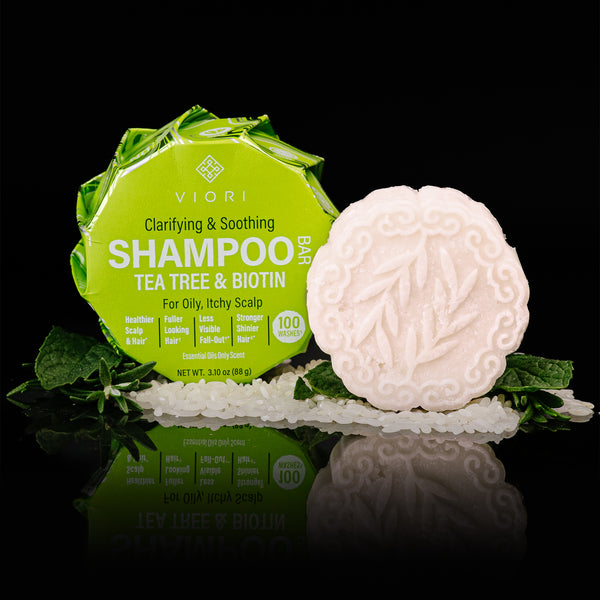
- For Oily, Flaky Scalps: You need gentle clarification. Look for formulas with natural, astringent properties that can balance oil without harsh drying alcohols. A citrus-based profile often works wonders here, as citrus helps cut through grease without disrupting your scalp's pH.
- For Dry, Flaky Scalps: You need nourishment and repair. Seek out bars rich in moisturizing butters (like shea or cocoa) and soothing botanicals. Floral, earthy, or unscented formulas are typically designed for this very purpose-to quench thirst and repair your skin's barrier.
Your Action Plan for a Calm, Clear Scalp
Ready to break the cycle? Here's your simple roadmap.
- Play Detective: Next time you wash, really look at your flakes and feel your scalp. Oily and yellow? Or dry, white, and powdery?
- Match Your Product: Use your diagnosis to guide your choice. Remember the scent clue: citrus for oily, moisturizing scents (or unscented) for dry.
- Prioritize Peace, Not War: Whatever you choose, make sure it's pH-balanced and sulfate-free. Your scalp needs a peace treaty, not a scorched-earth campaign.
- Be Patient: Skin cycles take time. Give any new, gentle routine a solid 2-3 weeks to let your scalp reset and heal.
Stop fighting your scalp and start understanding it. When you treat those flakes as a signal instead of a siege, you unlock the secret to not just a flake-free scalp, but the foundation for healthier, happier hair. It's time to change the conversation.


