
Mud for hair growth gets talked about like it’s an ancient secret that somehow “feeds” your follicles and makes hair sprout faster. In practice, mud is a lot less magical and a lot more interesting than that. When it helps, it’s usually because it changes what’s happening on your scalp surface-oil behavior, irritation, and buildup-not because it’s delivering some direct, nutrient-style boost to the root.
The best way to think about mud is as a scalp environment tool. If your scalp is the kind that gets greasy fast, feels itchy, or seems like it’s always battling buildup, mud can sometimes make a noticeable difference in comfort-and that can translate into better retention (less breakage, less inflammation-driven shedding). But if your scalp runs dry or sensitive, mud can easily push things in the wrong direction.
First, what “mud” actually is (and why that matters)
“Mud” isn’t one ingredient. It’s typically a mix of mineral-rich clays, water, natural salts, and (depending on the source) small amounts of organic material. That’s exactly why one person raves about it and another swears it wrecked their scalp. Two mud masks can behave completely differently even if they’re marketed the same way.
NOT SURE WHICH PRODUCT IS RIGHT FOR YOU?
TAKE THE QUIZTakes 30 seconds · 134,000+ customers matched
From a hair-and-scalp perspective, the big variables are how strongly the mud binds oil, how it behaves on the skin barrier, and how much friction it creates during removal.
Hair growth vs. hair retention: the confusion that keeps this trend alive
When most people say “hair growth,” they often mean, “I want my hair to look thicker and get longer without snapping off.” That’s not always a follicle problem. It’s often a shedding + breakage problem.
Actual growth is controlled by follicle cycling (anagen/catagen/telogen), genetics, hormones, nutrient status, and inflammatory signaling. Mud doesn’t override those drivers. Where mud can play a role is by reducing scalp conditions that commonly make hair seem like it’s “not growing,” such as irritation, itchy inflammation, and buildup around the follicle opening.
The part nobody explains well: mud changes how sebum behaves
Most articles stop at “clay absorbs oil.” That’s true, but it’s incomplete. Sebum isn’t just shine-it’s a complex mix of lipids that can trap debris and, over time, oxidize and become more irritating. That irritation can kick off an itch-scratch cycle that’s rough on the scalp and can worsen shedding for some people.
Many clay minerals have a high surface area and charged particles that can bind not just “oil,” but the stubborn, sticky byproducts that make the scalp feel coated. When that surface film gets lighter, the scalp often feels calmer. And a calmer scalp is usually a better place for hair to stay anchored and thrive.
Who tends to love mud masks (for legitimate reasons)
- Oily scalps that feel greasy again within 1-2 days
- Scalps that get itchy when oily
- People with oily flakes (the kind that clump, not the dry powdery kind)
- Anyone who feels like product buildup makes their roots go flat fast
Minerals: “mineral-rich” doesn’t automatically mean “follicle-nourishing”
Mud is often sold as “packed with minerals,” as if those minerals travel down into the follicle and feed hair growth like a supplement. Realistically, topical minerals don’t work that way for most people. Follicles aren’t designed to absorb minerals from a mud layer sitting on top of the scalp.
Where minerals can matter is more indirect: barrier behavior, comfort, and how reactive your scalp feels. But the big caution is that naturally sourced mud varies a lot from batch to batch and source to source. That includes potential traces of elements you may not want to use repeatedly on already-irritated skin.
pH: the quiet reason mud sometimes “works” and sometimes irritates
If you care about scalp health, you have to care about pH. Hair and scalp tend to do best when products stay in a hair-friendly range (roughly 3.5-6.5). When something pushes more alkaline, you can see rougher cuticles, more tangling, and a scalp that feels tight or cranky.
Mud masks can swing in pH depending on the minerals and what you mix them with. If your scalp feels squeaky-clean but tight afterward, that’s not necessarily a “detox.” It can be a sign the barrier got stressed.
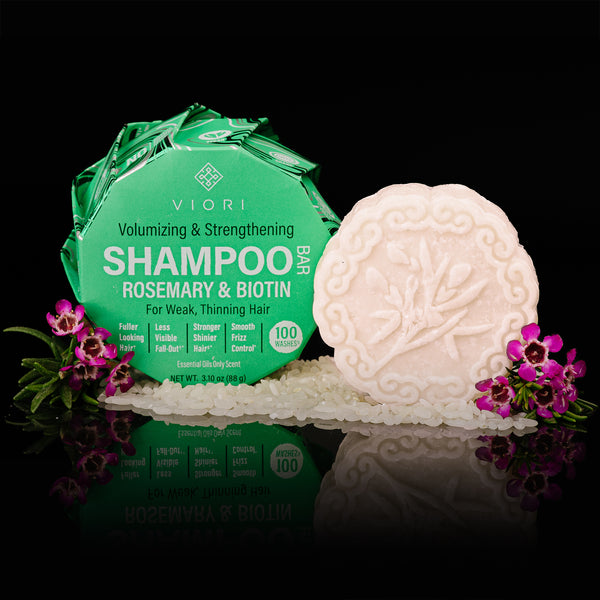
This is also why a consistent, controlled routine can outperform DIY experiments. Viori bars are formulated to be pH balanced, which helps support comfortable scalp conditions and smoother hair feel over time-especially if you’re prone to dryness or frizz when the cuticle gets roughed up.
The microbiome angle: “detox” is the wrong word
What mud can do is shift the scalp ecosystem by reducing the surface oils that certain microbes prefer. For an oily, reactive scalp, that can be helpful. But if mud over-strips, it can create dryness and sensitivity that leads to more visible flaking and irritation.
In other words, mud can be a reset for the right scalp type-and a trigger for the wrong one.
The hidden downside: friction, tangles, and breakage that looks like “slow growth”
Here’s the stylist reality: a lot of people don’t have a growth problem-they have a breakage problem. Mud can make breakage worse if it’s scrubbed aggressively or dragged through the lengths like a body exfoliant. The grit and drag can rough up the cuticle, tangle the hair, and cause snapping at fragile points.
If you’re color-treated, coarse, curly, or already dry, that friction risk matters even more. In general, reducing friction is one of the simplest ways to protect length. It’s also why Viori recommends techniques like building lather in your hands rather than rubbing a product directly on the scalp-less friction means a calmer cuticle and often better long-term retention.
WHAT CUSTOMERS ARE SAYING
Real reviews for Rosemary Biotin Shampoo Bar – Thinning Hair | VIORI
How to use mud in a way that doesn’t sabotage your hair
If you’re still curious-and you have an oily or buildup-prone scalp-mud can be used thoughtfully. The key is treating it like an occasional scalp tool, not a daily “growth treatment.”
Smart guidelines for experimenting
- Patch test first, especially if you’re sensitive.
- Use it occasionally (think once in a while, not constantly).
- Apply mainly to the scalp, not the mids and ends.
- Avoid aggressive scrubbing-use gentle placement and light massage only.
- Rinse thoroughly, then cleanse and condition to restore slip and reduce drag.
- If you notice more itching, burning, tightness, or shedding, stop and reassess.
If you want the benefits without the unpredictability
Most people reach for mud because they want the feeling of a clean, fresh scalp and lighter roots-without getting stripped. If that’s the goal, consistency usually wins. A routine that respects pH, cleanses gently, and keeps the scalp comfortable is often the best “growth support” you can do at home.
Viori’s shampoo and conditioner bars are designed around that idea. They use fermented Longsheng rice water in a balanced concentration (because overly concentrated rice water can disrupt scalp and hair pH if overused), and they’re built to support scalp comfort, moisture, shine, and strength in a predictable way.
Bottom line
Mud doesn’t flip a switch and make follicles start pumping out new hair overnight. When it helps, it’s usually because it improves the scalp environment-especially for oily, itchy, buildup-prone scalps-so hair is more likely to stay put and break less.
If your scalp is dry, reactive, or you tend to experience tightness after “deep cleansing,” mud can easily backfire. In that case, you’ll usually get better results from a steady, pH-balanced routine and low-friction washing and conditioning techniques-exactly the kind of approach Viori is built to support.


