
After twenty years behind the salon chair, I've watched countless trends sweep through the beauty world like wildfire. Clients arrive with their phones clutched in hand, eyes bright with excitement about whatever miracle treatment TikTok served up that morning. Rice water has been circulating in these conversations for years now-and unlike most viral hair hacks that flame out faster than you can say "growth serum," this one actually has legs.
But here's where I need to level with you: the conversation around rice water and hair growth is absolutely drowning in oversimplifications, impossible promises, and a fundamental misunderstanding of how hair actually works.
Let me share what two decades of hands-on experience and research have taught me about what rice water really does-and doesn't-do for your hair.
The Uncomfortable Truth Nobody Wants to Hear
I'm going to start with the part that might disappoint you: rice water doesn't make your hair grow faster.
I know. Trust me, I wish I could tell you otherwise. But stay with me here, because what rice water actually does might be even more valuable than the fantasy version you've been sold.
Your hair grows from follicles buried beneath your scalp at a rate that's essentially hardwired into your DNA-roughly half an inch per month for most people. No topical product, no matter how ancient or scientifically formulated, can override your genetic blueprint or magically extend your hair's growth phase. That's just not how follicle biology works.
What rice water can do is help you keep more of the length you're already growing. And honestly? That's where most people are losing the battle anyway.
NOT SURE WHICH PRODUCT IS RIGHT FOR YOU?
TAKE THE QUIZTakes 30 seconds · 134,000+ customers matched
Think about it this way: if your hair grows six inches in a year but breaks off four inches due to damage, you're only seeing two inches of actual length retention. Rice water strengthens your existing strands, reducing that breakage. Suddenly you're retaining five inches, maybe even all six. Your growth rate hasn't budged-but the results look completely different.
This distinction isn't just semantics. It's the difference between realistic expectations and crushing disappointment three months down the line.
What's Actually Happening Inside Your Hair Shaft
Let's get into the biochemistry-and I promise to make this interesting instead of putting you to sleep like a textbook would.
Inositol: Your Hair's Breakage Bodyguard
Rice water contains inositol, a carbohydrate compound that researchers have studied pretty extensively for its effects on hair. The cool part? Inositol can actually penetrate your hair shaft and hang out there even after you rinse, providing what scientists call an "elastic recovery effect." Basically, it makes your hair more flexible and resistant to snapping.
A study published in the International Journal of Cosmetic Science found that treatments containing inositol improved hair elasticity by 47%. That's not nothing. But-and this is the crucial part everyone conveniently forgets-the study showed zero significant impact on the actual growth phase of hair. It protected existing hair beautifully. It didn't summon new growth from your follicles.
Protein: The Ingredient Everyone Overdoes
Rice water contains hydrolyzed rice protein-protein molecules that have been broken down small enough to penetrate your hair shaft. Since your hair is roughly 91% protein (specifically keratin), adding protein can temporarily patch up and strengthen damaged areas.
Here's the plot twist that catches everyone off guard: protein is not universally beneficial. Use too much, and you'll experience something we call protein overload, where your hair becomes stiff, brittle, and paradoxically more prone to breakage than before.
I've watched this happen more times than I can count. Client starts using rice water. Sees initial improvement. Gets excited and doubles down. Then suddenly their hair feels like straw and they're panicking in my DMs asking what went wrong.
Understanding your hair's protein tolerance is absolutely essential-and we'll get to that in a minute.
Why Fermentation Changes Everything
Most of rice water's benefits get seriously amplified through fermentation. When you ferment rice water, naturally occurring bacteria and yeast break down the starches, producing several beneficial compounds:
- Increased inositol concentration (3-4 times higher than unfermented rice water)
- Panthenol (Vitamin B5), which acts as a humectant, pulling moisture into your hair shaft
- Organic acids that lower the pH to around 4.5-5.5-very close to your hair's natural pH of 4.5-5.0
That pH alignment is actually a bigger deal than most people realize. When products match your hair's natural pH, the cuticle layer-those overlapping scales covering your hair shaft-lies flat and closed. This creates shine, reduces frizz, and protects the vulnerable inner cortex from environmental damage.
When pH is too high (alkaline), those cuticles open up like roof shingles in a windstorm, making your hair vulnerable to literally everything.
But again-and I can't stress this enough-this is about hair health, not hair growth. These are cosmetic and protective benefits, not follicular stimulation.
Why Rice Water Is a Miracle for Some People and a Disaster for Others
I've had clients absolutely swear by rice water like it's changed their life. I've also had clients who experienced terrible results and thought something was wrong with their hair. The difference almost always comes down to one factor: hair porosity.
Understanding Your Hair's Porosity (This Is the Key to Everything)
Porosity refers to your hair's ability to absorb and retain moisture. It's determined by the condition of your cuticle layer-how tightly those scales are sealed or how damaged and open they are.
Low porosity hair has tightly closed cuticles. It's often healthy, virgin hair that hasn't been chemically processed or heat-damaged. The problem? It struggles to absorb anything, including rice protein. Rice water often just sits on the surface, creating buildup and making hair feel coated, heavy, and stiff.
High porosity hair has open, damaged cuticles with gaps and holes throughout the shaft. This hair type absorbs rice protein quickly and really benefits from the strengthening and gap-filling properties. However, it also desperately needs moisture balance to prevent protein overload.
Medium porosity hair is the Goldilocks zone-balanced absorption without excessive buildup. This hair type typically responds best to rice water treatments without much fuss.
The Float Test (Your 4-Minute Porosity Assessment)
Want to know your porosity? Try this professional assessment I use in the salon: Place a clean, shed hair strand in a glass of room-temperature water and wait four minutes.
- Floats on the surface = Low porosity
- Suspended midway = Medium porosity
- Sinks to the bottom = High porosity
This simple test explains so much about why certain products work or completely fail for your specific hair.
What Actually Stimulates Hair Growth (Since Rice Water Doesn't)
If rice water doesn't directly stimulate growth, what does?
True hair growth stimulation requires intervention at the follicular level, beneath your scalp surface. This involves:
- Activating dermal papilla cells at the base of your follicles (compounds like minoxidil and caffeine do this)
- Improving microcirculation to deliver more nutrients and oxygen to follicles (fun fact: rosemary oil has shown results comparable to 2% minoxidil in clinical trials)
- Blocking DHT, the hormone responsible for pattern hair loss (this is how finasteride and natural alternatives like pumpkin seed oil work)
- Triggering cellular signaling pathways that initiate new growth cycles
Rice water simply doesn't contain these mechanisms at clinically significant concentrations. And that's perfectly okay-it serves a different, equally valuable purpose.
Why DIY Rice Water Isn't as Simple as It Looks
I've experimented with DIY rice water in my salon, and while it can absolutely work, it comes with some real challenges:
- Inconsistent concentration (depends on rice type, soaking time, fermentation duration, water temperature)
- pH instability (can become too acidic with over-fermentation, causing scalp irritation)
- Preservation issues (unpreserved rice water spoils quickly and can harbor bacteria)
- Protein loading without balance (no complementary moisturizing ingredients to prevent brittleness)
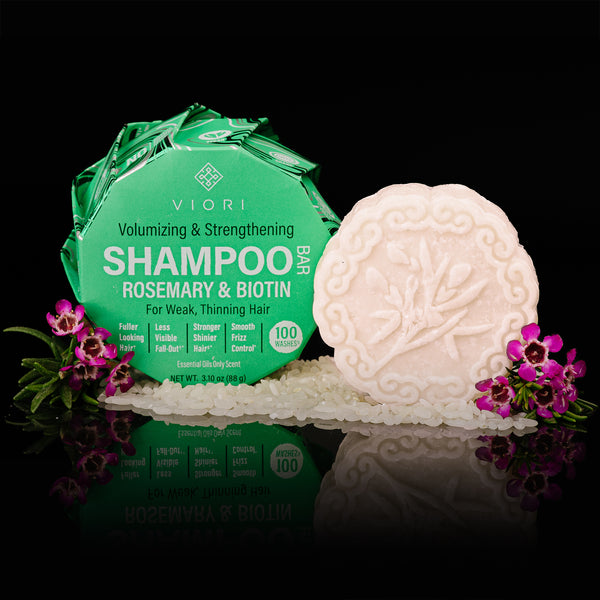
This is where properly formulated products actually have some advantages. Take Viori, for example-they've built their entire brand around rice water from the Red Yao tribe in China, and their approach addresses several technical considerations that DIY methods simply miss.
Concentration Control
Viori uses a lower concentration of rice water than pure DIY methods, which actually makes more scientific sense than you'd think. This prevents protein overload and maintains optimal pH balance. By incorporating rice water into a complete formulation with emollients like cocoa butter and shea butter, they create the protein-moisture balance that pure rice water lacks.
This matters tremendously for long-term results. You can use the product regularly without developing the stiffness and dryness that often creep in with pure rice water overuse.
pH Stability
Pure rice water's pH varies wildly depending on fermentation time. Too short, and you don't get the beneficial compounds. Too long, and pH drops too low (below 3.5), which can cause scalp irritation, excessive cuticle tightening, and even protein denaturation-basically defeating the entire purpose.
A properly formulated product maintains consistent pH in that sweet spot of 4.5-5.5, matching your hair and scalp's natural pH every single time you use it.
The Bar Format Advantage (Beyond Just Being Eco-Friendly)
There's a technical reason beyond sustainability for bar format products that most people don't think about. Liquid shampoos are 70-80% water, which requires preservatives, emulsifiers, and stabilizers to keep the formula from separating or growing mold.
Bars eliminate most water content, which allows for:
WHAT CUSTOMERS ARE SAYING
Real reviews for Rosemary Biotin Shampoo Bar – Thinning Hair | VIORI
- Higher concentration of active ingredients
- Minimal preservative needs
- Better protection of ingredients against oxidation
- More direct delivery of beneficial compounds to your hair
Water-based formulas are also more susceptible to pH drift over time as ingredients interact with each other in solution. Solid bars maintain more stable pH throughout the product's entire lifespan.
The Porosity-Based Product Selection Guide
If you decide to try rice water products, matching the formulation to your porosity is absolutely crucial for success.
For Low Porosity Hair
Look for lighter, more cleansing formulations. Your hair doesn't need heavy protein-it needs help opening the cuticle just enough to receive benefits without creating that dreaded buildup. Viori's Citrus Yao bar works well here because the citric acid helps gently lift the cuticle while the rice water provides moderate strengthening without overwhelming your hair.
Use less frequently-perhaps once or twice weekly-and always follow with a good moisture treatment to maintain balance.
For High Porosity Hair
Your damaged cuticles are crying out for serious strengthening and moisture. Richer formulations like Viori's Terrace Garden or Hidden Waterfall, which combine rice water with intensive moisturizing ingredients, address both needs simultaneously. You can typically use these more frequently without risking protein overload because your hair absorbs and utilizes protein quickly.
For Medium Porosity Hair
You've hit the genetic lottery here-you have the most flexibility. You can generally use any formulation and adjust frequency based on how your hair responds. Most people with medium porosity can use rice water products 2-4 times weekly with excellent results.
The Protein Sensitivity Test You Need to Do First
Before committing fully to any rice water routine, perform this simple test that will save you so much frustration:
Apply rice water or a rice water product to a small section of hair. Wait 24-48 hours, then honestly assess the results:
- Stiff, straw-like, or brittle = You're protein-sensitive; use less frequently or choose lighter formulations
- Stronger, more elastic, and smoother = You're protein-receptive; you can use regularly without issues
- No noticeable change = You may need a different intervention or higher concentration
This test has saved countless clients from the frustration of investing time and money in products that simply aren't right for their specific hair chemistry.
The Complete Hair Growth Strategy (Because Rice Water Is Just One Piece)
For clients genuinely concerned about hair thinning or wanting to maximize growth potential, I recommend a comprehensive approach that addresses multiple factors:
Topical Interventions
- Rice water products for breakage prevention and length retention
- Rosemary oil scalp massage 2-3 times weekly (six drops in a carrier oil)-studies show this actually stimulates follicular activity
- Caffeine solutions that penetrate to dermal papilla cells and extend the active growth phase
Nutritional Foundation
Hair grows from the inside out. No topical product can compensate for nutritional deficiencies, period.
- Protein: 0.8-1.0g per kilogram of body weight daily
- Iron: Ferritin levels above 70 ng/mL correlate with optimal hair growth (many women test below this threshold)
- Biotin: 2.5-5mg daily-despite some controversy, I've seen genuine clinical benefits in practice
- Omega-3 fatty acids: Anti-inflammatory support for follicle health
- Vitamin D: Levels above 40 ng/mL correlate with better hair growth cycles
Lifestyle Factors
- Stress management: Chronic cortisol elevation triggers telogen effluvium, where follicles prematurely enter the resting phase and shed excessively
- Sleep quality: Growth hormone secreted during deep sleep directly affects follicle function
- Scalp massage: Just 4-5 minutes daily increases blood flow to follicles-this simple practice makes a measurable difference
Medical Interventions
For significant hair loss, consult a dermatologist or trichologist about:
- Minoxidil (FDA-approved growth stimulator)
- Hormone evaluation (thyroid function, androgen levels)
- Low-level laser therapy
- PRP (platelet-rich plasma) treatments


