
For two decades behind the chair, I’ve listened to clients describe their dream hair: shiny, soft, and full of life. And for just as long, I’ve watched the beauty industry offer a rotating cast of miracle ingredients promising just that. The latest star? Hyaluronic acid, leaping from skincare serums into shampoos everywhere, hailed as the ultimate hydrator for thirsty strands.
NOT SURE WHICH PRODUCT IS RIGHT FOR YOU?
TAKE THE QUIZTakes 30 seconds · 134,000+ customers matched
But here’s the truth your stylist knows: hair is not skin. What gives your face a dewy glow won’t automatically transform your hair. The real secret to lasting hydration isn’t a single molecule-it’s understanding the delicate, living ecosystem that is your hair’s health. Let’s clear away the hype and talk about what truly works.
Your Hair Isn't a Sponge (And That's a Good Thing)
To understand moisture, we need to look at the structure. Each strand is a sophisticated, three-part system:
- The Cuticle: The outer layer of protective "shingles."
- The Cortex: The inner core holding strength, color, and internal moisture.
- The Lipid Layer: The natural oils that seal everything in.
This means effective hydration is a two-step dance: attract moisture, then seal it in. Many popular humectants, like hyaluronic acid, excel at the first step-drawing in water. But in dry air, they can pull that moisture from deep within your hair to the surface, where it evaporates, leaving you drier than before. Without a proper seal, it’s a temporary fix at best.
The Silent Game-Changer: Your Hair's pH
Before we even discuss ingredients, there’s a foundational factor most people miss: pH balance. Your hair and scalp thrive at a slightly acidic pH. Using a product that’s too alkaline forces the cuticle wide open.
Imagine prying open the roof of a house during a rainstorm. That’s what happens. The result? All your internal moisture rushes out, leading to frizz, breakage, and dullness. No hydrating ingredient can work properly on a cuticle that’s forced open. A pH-balanced formula is the non-negotiable first step-it keeps the cuticle smooth and sealed, ready to actually receive and retain benefits.
A Better Path: The Three Pillars of Real Hydration
Instead of chasing one ingredient, build a routine that supports your hair’s entire biology. Think of it as three pillars working together:
- Smart Hydrators That Penetrate: Look for nutrients like inositol and panthenol. These can actually sink into the hair cortex, improving its internal ability to hold water and strengthening it from within.
- Protein for a Strong Foundation: Hydration needs a strong vessel. Hydrolyzed proteins deliver amino acids that repair weak spots in the hair’s structure, so it can better retain its own natural moisture.
- The Crucial Seal: This is the step modern routines often skip. Plant butters and oils (think shea or cocoa) smooth the cuticle and create a protective barrier. This locks in all the gathered moisture and shields your hair from daily stress.
When these three pillars operate inside a pH-balanced base, you achieve what I call “Ecosystem Hydration.” You’re not just dumping water on your hair; you’re cultivating a healthy environment where it can maintain its own perfect balance.
WHAT CUSTOMERS ARE SAYING
Real reviews for Terrace Garden Barra de Champú
Your Takeaway From the Salon Chair
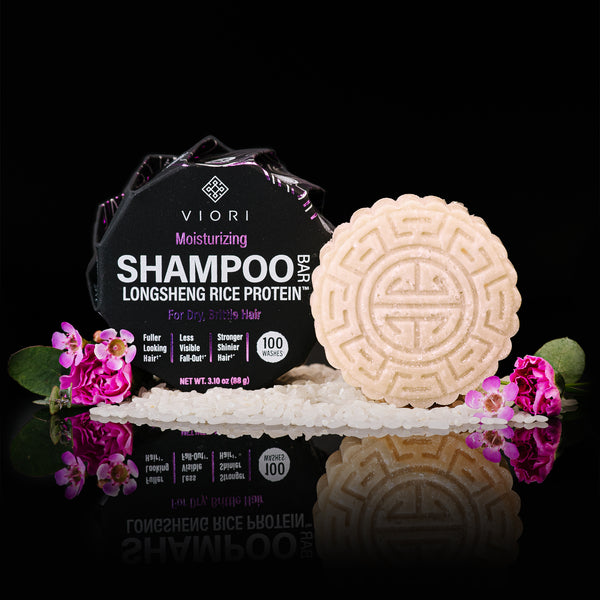
Luscious, resilient hair is a result of consistent care, not a quick fix. It’s about choosing a ritual that respects your hair’s complex nature. Sometimes, the most advanced wisdom is the oldest-like the centuries-old practice of using fermented rice water, which naturally combines these hydrating, strengthening, and sealing properties in one beautiful synergy.
Look beyond the label’s buzzword. Seek out formulas that balance science with holistic care, and give your hair the complete support system it deserves. The difference won’t just be felt-it will shine.


