
For two decades in my salon chair, I've heard the same hopeful confession. Clients arrive not with sleek bottles, but with mason jars of cloudy, homemade shampoo. Their stories are always filled with good intentions: a desire for purity, control, and a natural beauty ritual. I love that spirit. But as a stylist who has diagnosed countless dry, irritated scalps and brittle hair, I have to share the other side of the story-the one you rarely see on DIY blogs.
NOT SURE WHICH PRODUCT IS RIGHT FOR YOU?
TAKE THE QUIZTakes 30 seconds · 134,000+ customers matched
The truth is, crafting an effective shampoo is less like following a recipe and more like a delicate chemistry experiment. Your scalp's health depends on a balance most homemade mixes accidentally destroy. Let's pull back the curtain on what really happens when you wash your hair.
The Scalp's Secret: It's All About pH
Imagine your scalp as a thriving, tiny ecosystem. Its first line of defense is the acid mantle, a protective barrier with a slightly acidic pH between 4.5 and 5.5. This mantle keeps bad bacteria out and crucial moisture in.
Here’s where the problem starts. A superstar ingredient in countless DIY recipes is baking soda. It’s natural, it’s cheap, and it has a sky-high alkaline pH of about 9. Washing with it is like pouring a harsh chemical cleaner on that delicate ecosystem. The damage isn't always immediate, but it's cumulative:
- The "Rebound Grease" Effect: Your scalp feels stripped, so it panics and pumps out excess oil to compensate.
- Dryness & The Itch: The broken barrier can't hold moisture, leading to flakiness and irritation.
- Hair That Feels Like Straw: Alkaline solutions force the hair's cuticles to swell open permanently, leaving strands rough, dull, and prone to breakage.
What's Missing From Your Mason Jar?
Beyond pH, creating a stable, safe, and effective cleanser requires a few pillars that are nearly impossible to nail at home.
- The Right Suds: True cleansing needs a proper surfactant. Kitchen staples like castile soap are real soaps, which are inherently alkaline by nature. A gentle, pH-balanced cleanser is engineered to lift dirt without the damaging aftermath.
- Stability That Lasts: Your mix needs to stay at the correct pH when it hits your hard water or your scalp-a property called buffering. Without a lab, you're just guessing.
- A Crucial Safety Net: Any water-based concoction is a breeding ground for bacteria and mold. Proper preservation isn't an option; it's a requirement for safety that homemade brews dangerously overlook.
A Smarter Way to Embrace Natural Hair Care
Does this mean you should abandon your natural hair goals? Absolutely not! It means we need a smarter, hybrid approach. Be a curator, not an amateur chemist.
Channel your DIY passion into the areas where it shines and is completely safe: pre-wash treatments and masks. A hydrating honey mask, a soothing aloe vera scalp treatment, or a luxurious oil blend for your ends? These are perfect, customizable, and carry no risk of disrupting your scalp's core health.
WHAT CUSTOMERS ARE SAYING
Real reviews for Tea Tree Shampoo Bar – Oily & Itchy Scalp | VIORI
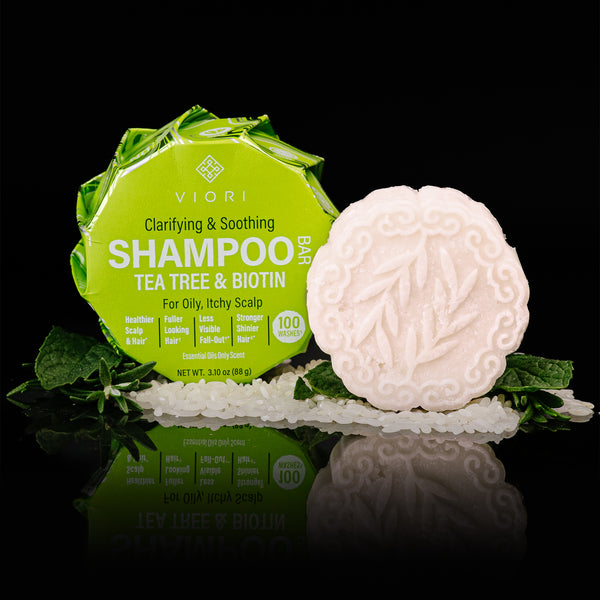
Then, for the critical job of cleansing, choose a scientifically sound foundation. Look for transparency, a commitment to pH balance, and ingredients that honor nature through smart science-like fermented rice extracts known for strength, delivered in a stable, balanced formula.
The bottom line? Beautiful hair grows from a respected scalp. You can absolutely have a natural, personalized routine without brewing it in your kitchen. Save the experiments for hair masks, and let trusted, balanced science handle the cleanse. Your hair-and your stylist-will thank you for it.


