guide · 5 min read
Shampoo Bars vs Liquid Shampoo: An Honest Comparison
The quick answer
Shampoo bars and liquid shampoo can clean equally well. What matters is the cleanser and pH. Syndet bars use non-soap cleansers and can match hair's mildly acidic pH, while true soap bars are alkaline and can feel rough. Bars skip most water and plastic and travel well; liquids spread faster in long, thick hair.
- Syndet bars use non-soap cleansers; true soap bars are alkaline and can feel rough.
- Bars are concentrated, travel without leaks and usually skip plastic bottles.
- Rinse well and give a new routine 2 to 3 months before you decide.

Shampoo bars and liquid shampoo can clean hair equally well. The real differences are the cleanser, the pH, how much water is in the product, and the packaging. A well-made syndet bar is a good choice for most people. A harsh soap bar or a harsh liquid shampoo can both leave hair dry.
What is actually different
Water content
Liquid shampoo is mostly water. The water makes it easy to pour and spread, but it also means the product needs preservatives to stay fresh. A shampoo bar is the same kind of formula with almost all of the water left out. It is concentrated, and it can dry out between uses.
Soap bars vs syndet bars
This is the most important difference among bars, and many shoppers miss it.
- Soap bars are made by reacting oils with lye. The result is true soap, which is alkaline. On hair, alkaline soap can leave a rough, tangly feel. In hard water it can also react with minerals and leave a dull film.
- Syndet bars ("synthetic detergent" bars) use a non-soap cleanser, often one made from plant sources, pressed into a solid. They can be formulated to a lower, hair-friendly pH and generally rinse cleaner in hard water.
If a bar's ingredient list starts with something like "sodium cocoate" or "saponified oils," it is soap. If it starts with a cleanser such as Sodium Cocoyl Isethionate (SCI), it is a syndet bar.
pH
Hair and scalp are mildly acidic, about 4.5 to 5.5. Most liquid shampoos and syndet bars are made to sit fairly close to that. True soap cannot, because soap needs a high pH to exist. That is the main reason some people try one bar, hate it, and give up on bars entirely.
Cleansers and conditioning
Both formats come with harsh or mild cleansers. Sulfates clean strongly and can feel stripping on dry hair. Milder cleansers, like SCI, clean well with less of that tight feel. Many liquid products also use silicones for slip, which can build up over time. Many bars skip silicones and use butters and plant oils instead.
Bars vs liquid, point by point
- Packaging: Liquid shampoo usually comes in a plastic bottle. Bars can ship in paper or no packaging at all.
- Travel: A bar does not leak or spill. Solid bars are generally not treated as liquids at airport security, but check the current rules before you fly.
- Cost per use: Bars often cost more up front, but because they are concentrated, a well-stored bar can last as long as a bottle or longer. Compare by how long a product lasts you, not by the sticker price.
- Ease of use: Liquid spreads faster through very long or very thick hair. Bars take a few tries to learn.
- Storage: Bottles can sit anywhere. Bars need a draining dish and a chance to dry.
- Choice: Liquids come in more formulas and specialty types. Bars now cover most everyday needs.
How to use a shampoo bar when switching from liquid
- Soak your hair. A bar needs plenty of water to lather.
- Build lather first. Rub the bar between wet hands, or glide it over the scalp a few times. If your hair is color-treated, lather in your hands instead of rubbing the bar on your hair.
- Work the scalp. Massage with fingertips. The suds that run down are enough for the lengths.
- Rinse longer than you think. Most "waxy" feelings after a bar come from rushed rinsing.
- Condition the ends. A conditioner bar or your usual conditioner both work.
- Dry the bar. Keep it out of the shower stream on a dish that drains.
The transition period
Some people find their hair feels different for the first weeks after switching, especially if their old products relied on silicones. The new routine is washing away old coatings, and hair may feel lighter or less slippery at first. Give it 2 to 3 months before you decide. If your water is very hard and hair stays dull, an occasional clarifying wash can help.
Which Viori bar fits
Viori's shampoo bars are syndet bars, not soap. The cleanser is Sodium Cocoyl Isethionate (SCI), a mild coconut-derived cleanser. The bars are made with fermented Longsheng rice water, formulated to stay between 3.5 and 6.5 pH, and are sulfate-free, silicone-free, paraben-free and color-safe. They have no synthetic preservatives; because the bars dry out, they are self-preserving. Packaging is plastic-free: recycled paper, with bars shipped in a bamboo steamer.
Rice Water Shampoo Bar – All Hair Types
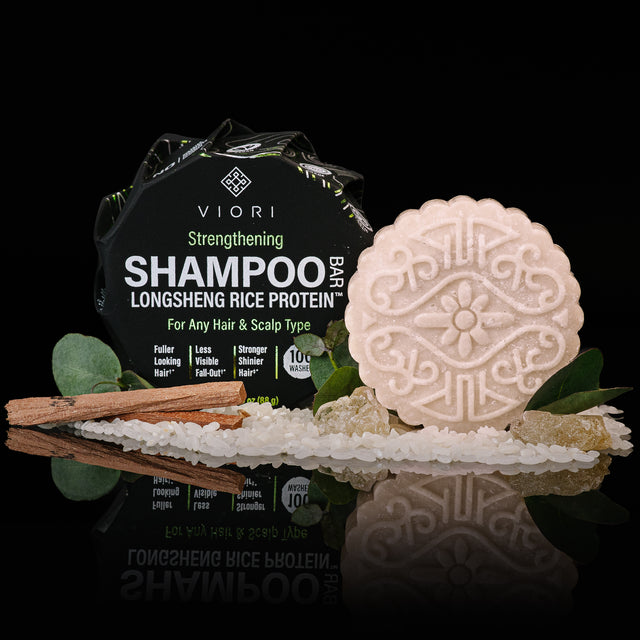
This is the bar Viori suggests if you don't know where to start. It is made for any hair type and any scalp, oily to dry. It lists shea butter, cocoa butter and aloe vera, and the scent is jasmine and soft florals.
Travel-Size Shampoo + Conditioner Mini Bars
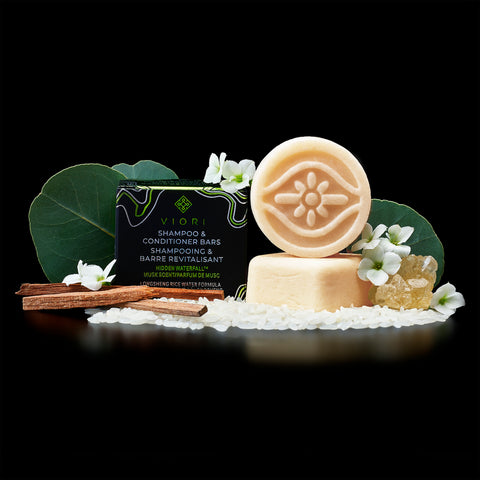
A small way to test bars before committing to full size. You pick one of four scents, Hidden Waterfall, Citrus Yao, Terrace Garden or Native Essence, and get a mini shampoo and conditioner made with the same formula as the full-size bars. The solid format also makes them easy to pack.
What customers are saying
Fragrance-Free Rice Water Shampoo Bar
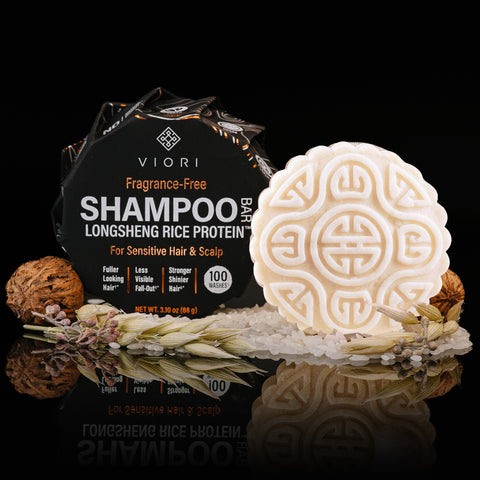
This bar has no added fragrance. Viori calls it its most gentle bar and suggests it for dry to normal scalps, and for anyone who reacts to fragrance or simply prefers none.
More answers about the bars, including storage and shelf life, are on Viori's FAQ page .
Common mistakes
- Judging all bars by one soap bar. Check whether a bar is soap or syndet before you decide bars are not for you.
- Using too little water. Dry hair and a dry bar make poor lather and uneven cleaning.
- Rubbing hard on the lengths. This can tangle long hair. Focus on the scalp.
- Storing the bar in the spray. A soggy bar wears away much faster.
- Quitting after one wash. Any new routine takes time to settle in.
If you notice hair loss or a scalp that stays itchy, red or flaky after any change in products, see a dermatologist. Shampoo choice is about comfort and cleaning, not a fix for a scalp condition.
Common questions
Are shampoo bars better than liquid shampoo?
Not automatically. A mild syndet bar and a mild liquid shampoo can work equally well. Bars win on packaging, travel and concentration. Liquids are easier to spread through very long or thick hair and come in more specialty formulas. Pick by cleanser and pH first.
What is the difference between a soap bar and a syndet bar?
A soap bar is made by reacting oils with lye, which produces alkaline soap. A syndet bar uses a non-soap cleanser, such as Sodium Cocoyl Isethionate, pressed into a bar. Syndet bars can be made closer to hair's mildly acidic pH and usually rinse cleaner in hard water.
Why can hair feel waxy after a shampoo bar?
The most common causes are too little water, too little rinsing, or a soap bar reacting with hard water. Soak hair fully, build lather in your hands, and rinse longer. If you use a true soap bar and live with hard water, try a syndet bar instead.
Can a shampoo bar go in carry-on luggage?
Solid bars are generally not treated as liquids at airport security, which makes them easy to pack in a carry-on. Rules can change and vary by country, so check the current guidance for your trip. Let the bar dry before packing it in a case.
How can a shampoo bar last longer?
Keep it dry between washes. Store it on a dish that drains, out of the direct shower spray, and let it air dry fully. Avoid leaving it in standing water. Lathering in your hands rather than rubbing the bar across long hair also uses less product.