
As a hair professional for over two decades, I often hear clients place immense hope in single ingredients, and biotin is frequently at the center of those conversations. While it's a crucial nutrient, there are several pervasive myths that can lead to misdirected efforts and disappointment. Let's separate the hair facts from the follicle fiction.
NOT SURE WHICH PRODUCT IS RIGHT FOR YOU?
TAKE THE QUIZTakes 30 seconds · 134,000+ customers matched
Myth 1: Biotin Supplements Are a Universal Cure-All for Hair Loss
This is perhaps the most common misconception. Hair loss has a myriad of causes-hormonal imbalances (like thyroid issues or androgenic alopecia), severe stress, autoimmune conditions, and significant nutrient deficiencies. Biotin deficiency is actually quite rare because it's found in many common foods like eggs, nuts, and whole grains. While supplementing can be beneficial if you are deficient, throwing biotin at hair loss caused by other factors is like trying to fix a broken engine with only a single type of screwdriver. It addresses one very specific potential issue while ignoring the root cause.
Myth 2: More Biotin Equals Faster, Thicker Hair Growth
The beauty industry often promotes a "more is better" narrative, but with vitamins, this isn't true. Your body can only utilize a certain amount of biotin; the excess is simply excreted. Megadosing on biotin supplements won't accelerate your hair growth cycle or magically transform fine hair into thick strands. Healthy hair growth is supported by a complex symphony of nutrients-including proteins, vitamins like B5 and B8 (panthenol and inositol), minerals like iron and zinc, and overall scalp health-not by a single vitamin in extreme amounts.
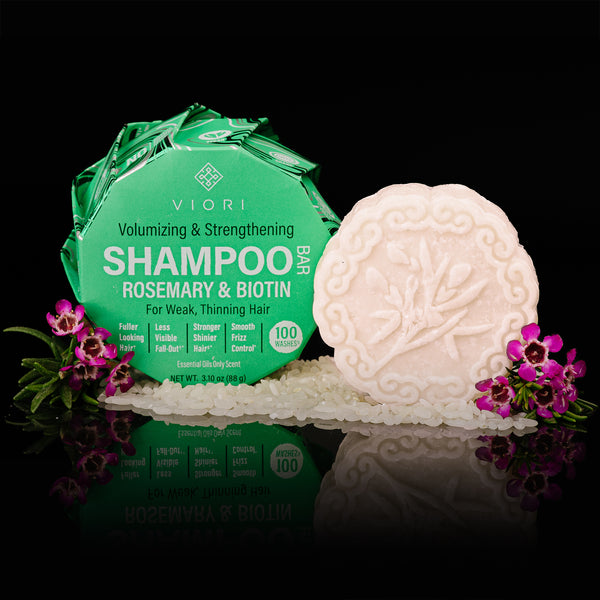
Myth 3: Topical Biotin in Shampoos is Highly Effective
While you'll see biotin listed in many hair products, its effectiveness when applied topically and rinsed out is questionable. The molecule size and the brief contact time make it difficult for biotin to penetrate the scalp and hair follicle in a meaningful way to impact growth from the root. Nourishing the hair you already have and supporting the scalp environment is often more effectively achieved through ingredients that moisturize, strengthen, and repair the hair shaft and follicle directly.
Myth 4: Biotin Has No Downsides or Interactions
Biotin is generally safe, but high-dose supplements are not without concerns. Notably, biotin can significantly interfere with certain laboratory blood tests, including those for thyroid function and troponin (which tests for heart attacks), leading to falsely normal or abnormal results. This is a serious issue that must be disclosed to your doctor. Furthermore, focusing solely on biotin can create a false sense of addressing hair health, potentially delaying a proper medical diagnosis for underlying issues.
The Professional Perspective: A Holistic Approach is Key
Instead of searching for a single miracle ingredient, focus on a holistic regimen that supports overall hair and scalp vitality. This includes:
WHAT CUSTOMERS ARE SAYING
Real reviews for Rosemary Biotin Shampoo Bar – Thinning Hair | VIORI
- A Balanced Diet: Ensure you're getting a wide range of vitamins, minerals, and proteins.
- Scalp Care: A clean, balanced, and nourished scalp is the foundation for healthy hair growth. Look for pH-balanced, gentle formulations that cleanse without stripping.
- Protective Ingredients: Seek out products that contain nutrients known to support the hair follicle and strengthen the hair shaft. For instance, ingredients like hydrolyzed rice protein can help fortify hair, while vitamins like panthenol (B5) can support moisture and health.
In my experience, the most transformative results come from consistent, gentle care that respects your hair's biology, not from chasing isolated nutrient trends. True hair health is built from the scalp up, supported by overall wellness and products that deliver comprehensive nourishment.


