
As a professional stylist with two decades of experience, I'm often asked about the efficacy of various hair growth supplements and treatments. The comparison between topical biotin and oral supplements is a nuanced one, rooted in how our bodies absorb and utilize nutrients. Let's break down the science and practical application from a haircare perspective.
NOT SURE WHICH PRODUCT IS RIGHT FOR YOU?
TAKE THE QUIZTakes 30 seconds · 134,000+ customers matched
First, it's essential to understand what biotin is and its role. Biotin, or vitamin B7, is a water-soluble vitamin that acts as a coenzyme in the body, crucial for metabolizing fats, carbohydrates, and amino acids-the building blocks of protein. Since hair is primarily made of a protein called keratin, adequate biotin levels support the keratin infrastructure, which is why a deficiency can lead to hair thinning or loss.
Oral Biotin Supplements: The Systemic Approach
When you take an oral biotin supplement, it is absorbed through your digestive system and enters your bloodstream, becoming available systemically-meaning it can support all the processes in your body that require biotin, including hair follicle health at the root. This is a "from the inside out" approach. However, its effectiveness is contingent on you having an actual biotin deficiency. For individuals with normal biotin levels, supplementing orally may not yield noticeable hair benefits, as the excess is simply excreted. Furthermore, true biotin deficiencies are relatively rare, as it's found in many common foods.
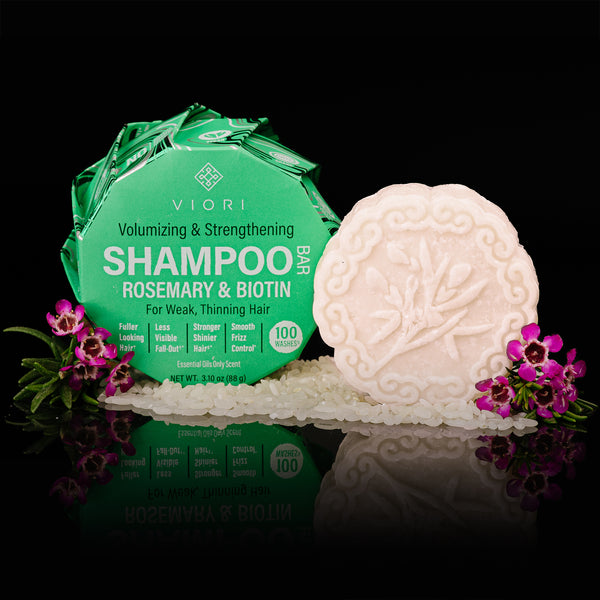
Topical Biotin: The Targeted, Surface-Level Approach
Topical biotin is applied directly to the scalp and hair shaft. The theory is that it can nourish the hair follicle directly and strengthen the existing hair cuticle. In practice, however, the molecules of pure biotin are often too large to effectively penetrate the skin barrier to reach the follicle where hair growth is generated. Its primary benefit when applied topically is as a conditioning agent. It can help improve the hair's elasticity and temporarily fortify the hair shaft, which may reduce breakage and make hair appear fuller.
The Holistic, Nutrient-Rich Alternative
Embracing a more holistic and proven approach to hair health addresses both the scalp environment and hair strength, similar to the combined goal of internal and topical care. The foundation of this approach is often found in traditions like using fermented rice water.
Fermentation is key. It naturally increases the levels of beneficial compounds like vitamin B8 (inositol) and vitamin B5 (panthenol).
WHAT CUSTOMERS ARE SAYING
Real reviews for Rosemary Biotin Shampoo Bar – Thinning Hair | VIORI
- Vitamin B5 (Panthenol): When used topically, it acts as a superb humectant, drawing moisture into the hair shaft. More importantly, it can penetrate the hair cortex, improving elasticity, reducing breakage, and adding volume. It's a proven topical agent for improving hair strength and shine.
- Vitamin B8 (Inositol) & Hydrolyzed Rice Protein: These components, along with a full spectrum of nutrients, are designed to support the scalp and follicle health. The formula delivers proteins and vitamins directly to the scalp environment, aiming to nourish the follicle for healthier growth from the root, while the hydrolyzed rice protein bonds to the hair shaft to strengthen it from the outside.
The Expert Verdict: Synergy Over Isolation
From a professional standpoint, the most effective haircare regimen is rarely about a single "magic bullet" ingredient. It's about creating a healthy scalp ecosystem and protecting the hair shaft from damage.
- Internal Health is Foundational: A balanced diet rich in proteins, vitamins, and minerals is irreplaceable for supporting hair growth at the follicular level. Oral supplements can help if you have a diagnosed deficiency.
- Topical Care is Protective and Nourishing: An effective topical routine cleanses without stripping, nourishes the scalp, and strengthens the hair shaft to prevent breakage-which is often mistaken for lack of growth. A pH-balanced regimen with ingredients like shea butter, aloe vera, and rice proteins can moisturize the scalp and fortify the hair.
- Manage Expectations: Whether considering oral biotin or a topical treatment, patience is key. Hair grows in cycles, and any intervention aimed at improving growth or health typically requires a consistent 2-3 month commitment to see visible results.
In conclusion, while topical biotin offers limited direct follicle benefits, a comprehensive topical regimen that utilizes fermented nutrients and proteins can effectively mimic the goals of both approaches: nurturing the scalp environment and mechanically strengthening the hair. For the best results, pair such a targeted, gentle topical routine with a nutrient-rich diet. True hair health is a marathon, not a sprint, built on consistent care that respects both your scalp's biology and your hair's structure.


