
As a hair professional with two decades of experience, I've supported many clients through the regrowth journey after chemotherapy. This is a deeply personal and often emotional process, and it's wonderful that you're seeking information to nurture your hair back to health.
NOT SURE WHICH PRODUCT IS RIGHT FOR YOU?
TAKE THE QUIZTakes 30 seconds · 134,000+ customers matched
Understanding Chemotherapy-Induced Hair Loss
First, it's crucial to understand the mechanism of chemotherapy-induced hair loss. Chemotherapy targets rapidly dividing cells, which unfortunately includes the cells in your hair follicles. This causes the hair to enter the telogen (resting) phase prematurely and fall out. The good news is that for most people, this is not permanent damage to the follicle itself. Once treatment ends, the follicles can "wake up" and begin producing hair again, though the texture, color, or curl pattern may initially be different.
The Role of Biotin in Hair Health
Now, let's talk about biotin. Biotin, or Vitamin B7, is a water-soluble vitamin that plays a key role in the health of your hair, skin, and nails. It supports the production of keratin, which is the foundational protein of your hair strand. A deficiency in biotin can indeed lead to hair thinning and loss. Therefore, ensuring you have adequate biotin levels is a fundamental part of supporting any hair growth process, including post-chemotherapy regrowth.
However-and this is a critical point-biotin supplementation is not a magic bullet that will accelerate regrowth after chemo on its own. If you are not biotin deficient, supplementing with high doses is unlikely to speed up the timeline. Your body will simply excrete what it doesn't need. The regrowth timeline is primarily governed by your body's own healing rhythm and the hair follicle's biological cycle. It's a process that requires patience, often taking several months before you see consistent new growth.
A Holistic Approach to Post-Chemo Hair Regrowth
The most effective approach is holistic, focusing on creating an optimal internal and external environment for your new, delicate hair to thrive. Here’s my professional advice:
- Consult Your Medical Team: Before starting any new supplement, including biotin, always consult with your oncologist or primary care physician. They can check for any potential deficiencies and ensure supplements won't interfere with your ongoing health plan.
- Nourish from Within: Focus on a nutrient-rich diet. Alongside potential biotin supplementation, ensure you're getting ample protein (the building block of hair), iron, zinc, and vitamins C, D, and E. A balanced diet supports overall health, which is the bedrock of healthy hair growth.
- Practice Extreme Gentleness Externally: When hair begins to return, it is often fragile. This is where your haircare routine becomes paramount. You must treat this new growth with the utmost care.
Creating a Gentle Haircare Routine
- Choose a Nourishing, pH-Balanced Cleanse: It is essential to use a shampoo that cleanses without stripping. Harsh sulfates and high-pH formulas can disrupt the scalp's microbiome and weaken fragile new strands. A shampoo that is sulfate-free, paraben-free, and pH-balanced will cleanse gently while maintaining a healthy scalp environment. For example, a formula infused with ingredients like fermented rice water can provide proteins and vitamins (like inositol and panthenol, which are byproducts of fermentation) known to support hair strength and health without harsh chemicals.
- Conditioning is Non-Negotiable: A gentle, moisturizing conditioner is vital to protect the hair shaft, reduce friction, and seal in moisture. Look for conditioners rich in emollients like shea butter and cocoa butter. For a sensitive post-chemo scalp, an unscented, hypoallergenic option can be an excellent choice to minimize any potential irritation.
- Minimize Manipulation: Avoid tight hairstyles, excessive brushing, and heat styling. Use a wide-tooth comb on wet hair and pat hair dry instead of rubbing.
The Importance of Scalp Health
A healthy scalp is the fertile ground from which hair grows. Keep the scalp clean and consider gentle massage to stimulate blood flow. Using products designed to reduce scalp irritation and dryness can create a more supportive environment for regrowth.
WHAT CUSTOMERS ARE SAYING
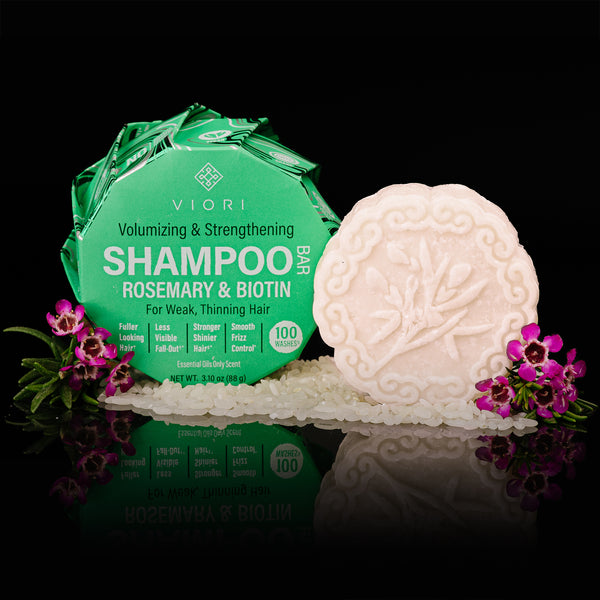
Real reviews for Rosemary Biotin Shampoo Bar – Thinning Hair | VIORI
Final Thoughts
In summary, while ensuring adequate biotin levels is a supportive piece of the puzzle, the journey to regaining your hair after chemotherapy is a holistic one. It combines medical guidance, internal nutrition, and an exceptionally gentle, nurturing external haircare routine. The goal is to patiently support your body's natural healing process, providing your returning hair with the purest, most strengthening foundation possible. Celebrate each new strand, and be kind to yourself throughout this journey of renewal.


