
As a professional with two decades in the beauty industry, I often get asked about specific nutrients and their impact on hair health, especially for younger individuals. The question of biotin's effectiveness for hair growth in children and teenagers is an excellent one, as their bodies are in a unique stage of development.
NOT SURE WHICH PRODUCT IS RIGHT FOR YOU?
TAKE THE QUIZTakes 30 seconds · 134,000+ customers matched
Understanding Biotin's Role
First, it's crucial to understand what biotin is and its role. Biotin, or vitamin B7, is a water-soluble vitamin that assists enzymes in breaking down fats, carbohydrates, and proteins. It is essential for the health of hair, skin, and nails because it supports keratin infrastructure-keratin being the primary protein that makes up hair. A true biotin deficiency is rare but can lead to symptoms like hair thinning or loss, skin rashes, and brittle nails.
The Holistic View for Younger Hair
For children and teenagers, the foundation of healthy hair growth is almost always rooted in overall nutrition, hormonal balance, and genetics. During these formative years, the body prioritizes vital functions, and hair can be a secondary indicator of internal health. If a young person is experiencing significant hair loss or stunted growth, the first and most critical step is to consult a pediatrician or a dermatologist. This can rule out underlying health issues, hormonal changes common in adolescence, or genuine nutritional deficiencies that a supplement might address.
In cases where a clinical deficiency is diagnosed, biotin supplementation under medical guidance can be very effective. However, for the vast majority of children and teens with no deficiency, loading up on biotin supplements is unlikely to accelerate growth beyond their genetic potential or correct issues caused by other factors. The body simply excretes what it doesn't need.
A Better Approach: Nourishing the Scalp Environment
This leads to the holistic approach I always advocate: supporting the body's natural processes with consistent, gentle care and nutrient-rich products. Rather than focusing on a single, isolated vitamin, the philosophy is to nourish the hair and scalp with a complex of synergistic, naturally derived nutrients.
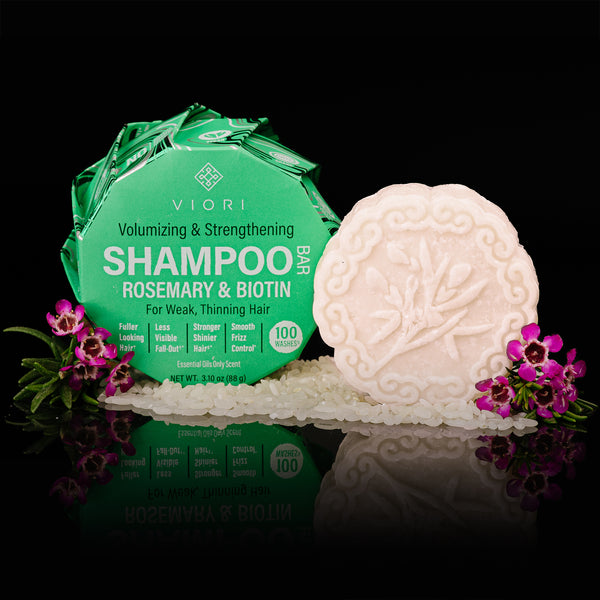
For instance, the fermented Longsheng rice water used in Viori bars is a source of inositol (vitamin B8) and panthenol (provitamin B5). These are compounds that, like biotin, are part of the B-vitamin family and are clinically studied for their role in supporting hair strength, moisture retention, and overall scalp health. When these nutrients are delivered topically in a pH-balanced, gentle formula, they work directly at the site of the hair follicle to create an optimal environment for healthy hair.
Building a Healthy Routine
For a teenager dealing with common issues like an oily scalp, occasional dryness, or simply wanting to support their hair's natural vitality, the focus should be on a consistent, healthy hair care routine. Key elements include:
WHAT CUSTOMERS ARE SAYING
Real reviews for Rosemary Biotin Shampoo Bar – Thinning Hair | VIORI
- Choosing Gentle Formulas: Using products that are free from harsh sulfates and parabens, and that are pH-balanced, is particularly important for young, sensitive scalps.
- Targeting Scalp Health: A nutrient-rich routine can help manage the scalp's environment during hormonal fluctuations without stripping it or causing imbalance.
- Prioritizing Consistency: Healthy hair is built over time with regular care, not through quick fixes.
Final Verdict
In summary, while biotin can be effective for hair growth in children and teenagers who have a diagnosed deficiency, it is not a universal solution. The most effective strategy is a multi-faceted one:
- Ensure a balanced diet rich in various vitamins and minerals.
- Address any health concerns with a doctor.
- Adopt a hair care regimen that nourishes the scalp and hair with gentle, proven ingredients.
Supporting the hair's natural growth cycle from the outside-in with consistent, quality care is often the most sustainable and effective path to healthy, vibrant hair at any age.


