Q&As · 3 min read
Can castor oil help restore hair after chemical treatments like perms or relaxers?
As a stylist with two decades of experience, I've seen firsthand the damage that chemical processes like perms and relaxers can inflict on the hair's structure. These treatments break down the hair's natural bonds to alter its shape, which often leaves the cuticle lifted and the cortex vulnerable. The result is hair that can be dry, brittle, and prone to breakage. Restoring it requires a strategic, gentle approach focused on deep nourishment and moisture.
The Role of Castor Oil in Hair Recovery
Castor oil is a popular at-home remedy often touted for this purpose, and for good reason. It's a highly occlusive, viscous oil rich in ricinoleic acid. This means it can create an excellent sealing barrier on the hair shaft, helping to lock in moisture and add a noticeable sheen. Its thick consistency can also make hair feel temporarily stronger and more pliable, which can reduce breakage during styling.
However, it's crucial to understand its role. Castor oil is primarily an occlusive agent. Think of it as a protective topcoat. While it's fantastic for sealing and adding shine, it doesn't deeply penetrate or reconstruct the hair in the way a targeted, nutrient-rich hair care system can. For hair recovering from chemical trauma, you need a regimen that addresses the issue from the inside out-providing hydration, protein support, and scalp health.
A Holistic Approach to Post-Chemical Hair Care
This is where a holistic system shines. The key to recovery lies in ingredients that mimic the hair's natural lipids, deliver strengthening proteins, and soothe the scalp. For example, hydrolyzed rice protein is a small-molecule protein that can help fill in gaps in the damaged hair cuticle, while emollients like cocoa butter and shea butter provide intense, penetrating moisture without a heavy, occlusive feel that can sometimes weigh fine, damaged hair down.
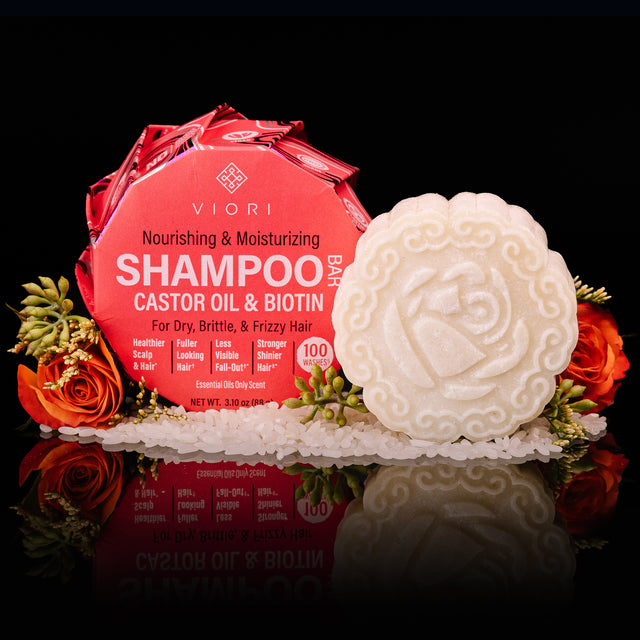
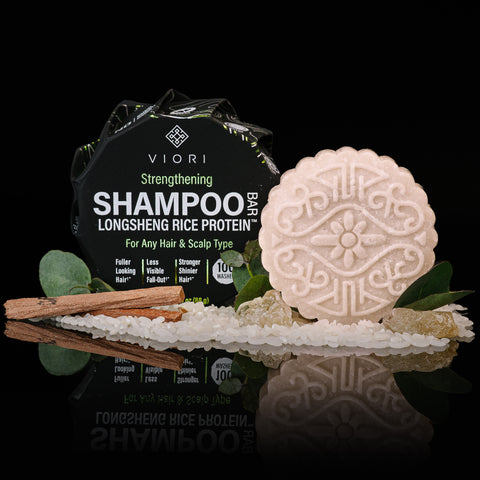
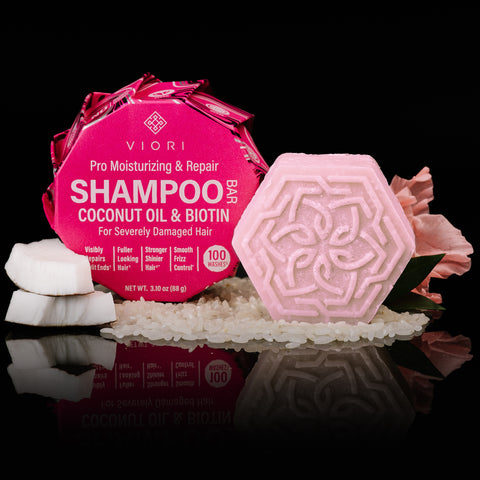
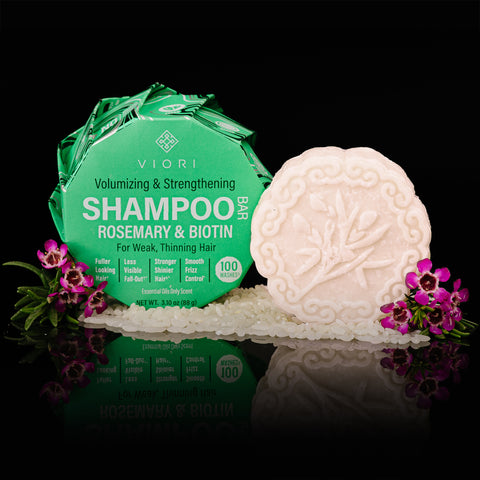
For post-chemical treatment care, I recommend a focus on extreme moisture and gentle cleansing. Collections formulated to be exceptionally moisturizing and soothing, such as unscented options for sensitive scalps, are ideal. This is exactly what a stressed scalp and parched hair shafts need after processing.
What customers are saying
A Professional's After-Care Protocol
- Gentle Cleansing: Use a pH-balanced, sulfate-free shampoo. The goal is to clean without stripping. Gentle cleansers derived from natural sources are ideal and won't exacerbate dryness.
- Intensive Conditioning: This is non-negotiable. A conditioner rich in emollients and proteins should be applied from mid-lengths to ends and left on for several minutes. Conditioner is designed to help smooth the cuticle and restore suppleness.
- Scalp Care: A healthy scalp is the foundation for healthy hair growth. Avoiding further irritation is paramount. Gentle, nourishing ingredients like aloe vera and bamboo extract can help calm inflammation.
- Protective Styling: As you restore your hair's integrity, minimize heat styling and mechanical stress like tight brushing.
Final Verdict
In summary, while a small amount of castor oil can be used as an occasional pre-shampoo treatment to add luster and help retain moisture, true restoration after a chemical service requires a comprehensive routine. Look for products that are pH-balanced, free of harsh sulfates, and packed with nourishing butters, proteins, and botanical extracts to systematically repair the hair, strengthen the fiber, and create an optimal environment for healthy regrowth. Consistency with a nurturing regimen for 2-3 months is typically needed to see a significant transformation in your hair's strength and texture.