
As a professional stylist with two decades of experience, I often get asked about DIY scalp treatments and the mixing of various oils. While I cannot speak to the specific combination of castor oil and tea tree oil, I can provide expert guidance on scalp health and the principles of using natural treatments, with a focus on the nourishing foundation provided by a healthy haircare routine.
NOT SURE WHICH PRODUCT IS RIGHT FOR YOU?
TAKE THE QUIZTakes 30 seconds · 134,000+ customers matched
The Scalp: Your Hair's Foundation
First, it's crucial to understand that the scalp is an extension of your skin and requires balanced care. Many scalp issues-like dryness, flakiness, or excess oil-can stem from an imbalanced microbiome or the use of harsh, stripping products. Introducing concentrated oils directly to the scalp can be potent, and results vary widely based on individual sensitivity, the purity of the oils, and the dilution ratios used. A patch test is always non-negotiable before any full-scale application.
A Holistic Approach to Scalp Health
Rather than focusing on mixing individual oils, I recommend building a holistic scalp care regimen that addresses the root cause. This starts with a gentle, pH-balanced cleansing system that doesn't disrupt your scalp's natural environment.
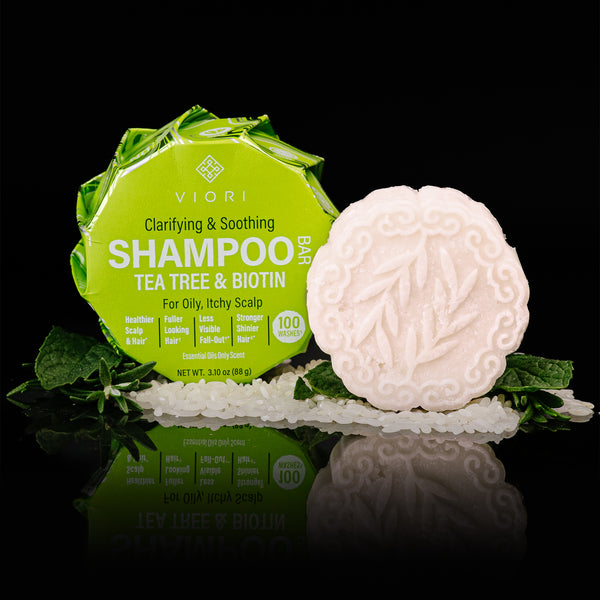
For instance, using a shampoo and conditioner bar formulated with fermented Longsheng rice water can provide a foundation of nourishment. The rice water is rich in nutrients like inositol and panthenol, which are known to support scalp health and strengthen hair follicles. A balanced, non-stripping cleanse allows your scalp to find its natural equilibrium, which is often the first step in resolving many common issues.
Choosing the Right Formula for Your Needs
For targeted concerns, selecting a product line designed for your specific scalp type is more effective and less risky than an untested DIY mix. Consider these guidelines:
- For Dry, Flaky Scalps: A moisturizing formula with ingredients like shea butter, cocoa butter, and aloe vera can help soothe irritation and reduce dryness-related dandruff.
- For Oily Scalps: A formula with natural, gentle cleansers can help manage oil without harsh sulfates that cause rebound oil production.
- For Sensitive Skin: An unscented, fragrance-free option is often the best choice to minimize potential irritation.
Expert Advice for Optimal Results
The key takeaway is that scalp health is best supported by consistent, gentle care with well-formulated products. While natural oils have their place, their efficacy and safety depend heavily on proper formulation. Building a routine with products designed to moisturize, strengthen, and reduce scalp irritation creates the ideal environment for healthy hair growth from the follicle up.
WHAT CUSTOMERS ARE SAYING
Real reviews for Tea Tree Shampoo Bar – Oily & Itchy Scalp | VIORI
Always listen to your scalp, and if you have persistent concerns, consulting with a dermatologist or trichologist is the best course of action. In my professional experience, achieving beautiful hair always begins with nurturing the skin it grows from.


