
As a hair professional with two decades of experience, I often discuss the relationship between internal nutrients and hair health with my clients. The question of biotin's role in hair shedding, particularly in conditions like telogen effluvium, is a nuanced one.
NOT SURE WHICH PRODUCT IS RIGHT FOR YOU?
TAKE THE QUIZTakes 30 seconds · 134,000+ customers matched
Understanding Biotin's Role
Biotin, also known as vitamin B7, is a water-soluble vitamin that plays a crucial role in the body's keratin infrastructure. Keratin is the foundational protein of your hair, skin, and nails. A true biotin deficiency, while rare, can indeed lead to symptoms like hair thinning and loss. In such clinical cases, supplementation under medical guidance can be corrective and impactful.
However, for the vast majority of people experiencing general hair shedding or telogen effluvium, a biotin deficiency is not the root cause. Telogen effluvium is typically triggered by significant physiological stressors:
- Major surgery or illness
- Childbirth
- Rapid weight loss
- Extreme emotional stress
- Nutritional deficiencies (often involving iron, vitamin D, zinc, or protein)
Supplementing with biotin when you are not deficient is unlikely to stop shedding caused by these underlying triggers. The body will simply excrete the excess.
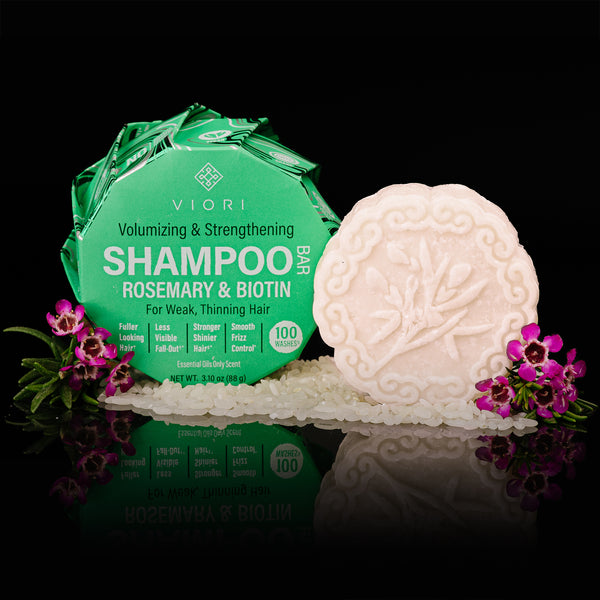
A Holistic Approach to Hair and Scalp Health
The focus, therefore, should be on a comprehensive strategy that supports the scalp environment and the hair shaft itself. Hair shedding can be exacerbated by an unhealthy scalp or hair that is weak and prone to breakage.
This is where the philosophy behind nourishing hair care becomes essential. Supporting the hair follicle and fortifying the strand is paramount for resilience. For instance, ingredients like fermented rice water are valued for their content of inositol (vitamin B8) and panthenol (provitamin B5). These nutrients, highlighted in third-party clinical studies, are known to support the hair follicle, strengthen the hair shaft, and improve elasticity.
By nourishing the scalp and fortifying each strand, you create an environment where hair is more resilient. This can help minimize breakage, which is often mistaken for shedding from the root, and support the overall health of the follicle as it cycles.
WHAT CUSTOMERS ARE SAYING
Real reviews for Rosemary Biotin Shampoo Bar – Thinning Hair | VIORI
Creating the Ideal Scalp Environment
Furthermore, maintaining a balanced scalp pH and using gentle, nutrient-rich formulations free of harsh sulfates and parabens helps reduce scalp irritation and dryness. A calm, healthy scalp is the ideal foundation for reducing stress on the hair follicle, which can be beneficial during a recovery period from telogen effluvium.
Key Takeaways for Managing Shedding
- Identify the Trigger: Consult with a healthcare professional to rule out underlying health issues or specific nutritional deficiencies causing telogen effluvium.
- Think Beyond Biotin: Ensure overall nutritional adequacy, focusing on a balanced diet rich in protein, iron, and vitamins.
- Support from the Outside In: Adopt a hair care regimen that prioritizes scalp health and hair strength. Look for products designed to moisturize, strengthen, and reduce scalp irritation to support your hair through periods of shedding and encourage healthy regrowth.
In summary, while biotin supplementation can address hair loss stemming from a verified deficiency, it is not a universal solution. Effective management involves addressing the underlying trigger and adopting a holistic approach to hair care that builds strength and resilience at the root and along every strand.


