
As a professional stylist, I often recommend incorporating natural oils into a hair care routine to manage frizz, which is typically a sign of hair lacking moisture or having a raised cuticle layer. While castor oil is a popular and thick, nourishing oil, it's important to integrate it thoughtfully to avoid weighing hair down.
NOT SURE WHICH PRODUCT IS RIGHT FOR YOU?
TAKE THE QUIZTakes 30 seconds · 134,000+ customers matched
First, understand that castor oil is an occlusive agent, meaning it's excellent at sealing in existing moisture but can be too heavy to apply directly to dry or fine hair. For best results, it should be used as a pre-wash treatment or a very light sealing step on damp hair.
How to Use Castor Oil for Frizz Control
As a Pre-Wash Treatment (Recommended)
- Warm & Dilute: Gently warm a small amount (about a teaspoon for medium-length hair) of pure, cold-pressed castor oil. Because it's so viscous, consider mixing it with a lighter carrier oil like jojoba or argan oil (a 1:3 ratio of castor to lighter oil works well).
- Apply to Ends: Focus the application primarily on the mid-lengths and ends of your hair, where frizz and dryness are most pronounced. If your scalp is very dry, you can massage a tiny amount onto the scalp as well.
- Wrap and Wait: Cover your hair with a shower cap or warm towel and leave the treatment on for at least 30 minutes, or even overnight for a deep conditioning effect.
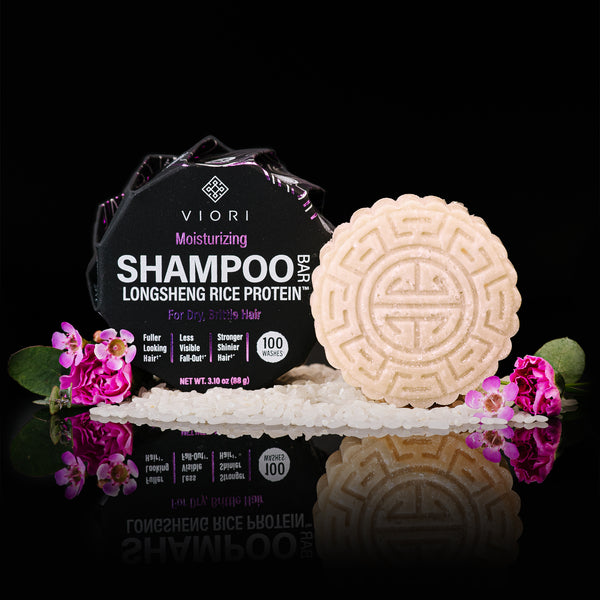
- Cleanse Thoroughly: Wash your hair as usual. This is a critical step, as castor oil is thick and requires a good cleanse to avoid residue. I recommend using a gentle, pH-balanced shampoo that cleanses effectively without stripping hair. A shampoo bar formulated with natural cleansers can be ideal here, as it will help remove the oil while maintaining the hair's moisture balance. Follow with a conditioner to replenish moisture and smooth the cuticle.
As a Light Frizz-Tamer on Damp Hair
- After washing and conditioning, gently towel-dry your hair.
- Take a minuscule amount of castor oil (literally 1-2 drops for long hair) and emulsify it between your palms.
- Lightly and carefully smooth it over the surface of your hair, concentrating on the areas most prone to frizz. Avoid applying directly to the roots.
Key Professional Tips for Lasting Results
- Less is More: Over-application is the biggest mistake, leading to greasy, limp hair. Start with a tiny amount.
- Consistency is Key: For reducing frizz, regular weekly treatments will yield better results than sporadic use.
- Pair with the Right Routine: Frizz management isn't just about oil. It's about your entire regimen. Always use cool water for your final rinse to help smooth the hair cuticle. Gently pat hair dry with a microfiber towel or cotton t-shirt instead of rubbing. Consider using a wide-tooth comb instead of a brush on wet hair.
- Choose Complementary Products: The shampoo and conditioner you use daily are foundational. For frizz, you want products that are intensely moisturizing and designed to smooth the hair cuticle. Look for formulas rich in emollients and humectants like shea butter, cocoa butter, and aloe vera. Using a conditioner bar that is specifically crafted to increase shine, reduce scalp irritation, and repair dryness can provide the perfect moisture base that a sealing oil like castor oil then locks in.
Remember, while castor oil can be a helpful tool, the most effective strategy for reducing frizz is a consistent hair care routine built around moisturizing, pH-balanced products that strengthen the hair and smooth the cuticle from the wash stage onward.
WHAT CUSTOMERS ARE SAYING
Real reviews for Moisturizing Rice Water Shampoo Bar – Dry Scalp | VIORI


