
As a hair care professional with two decades of experience, I am often asked about the efficacy of various natural ingredients for hair regrowth, including castor oil. It's a popular topic in beauty circles. While my expertise and the formulations I trust are centered on the proven, centuries-old tradition of fermented rice water, I can provide some insight into the scientific landscape surrounding castor oil.
NOT SURE WHICH PRODUCT IS RIGHT FOR YOU?
TAKE THE QUIZTakes 30 seconds · 134,000+ customers matched
To address the question directly: there is a notable lack of large-scale, robust clinical trials specifically examining castor oil's effectiveness for hair regrowth in humans. The evidence supporting its use is primarily anecdotal or based on its chemical composition and theoretical benefits.
The Theoretical Basis for Castor Oil's Popularity
Castor oil is rich in ricinoleic acid, a unique fatty acid believed to have anti-inflammatory and antimicrobial properties. The theory is that by improving scalp health, reducing inflammation, and potentially combating folliculitis, it could create a better environment for hair growth. Furthermore, its viscous nature is thought to moisturize the hair shaft and scalp, which may help reduce breakage and make hair appear fuller.
The State of Clinical Evidence
While castor oil is a common ingredient in many hair care products, rigorous, independent clinical trials validating its hair regrowth claims are scarce. Most references to its benefits cite its historical use in traditional medicine or its individual component properties, rather than controlled studies demonstrating measurable increases in hair count, density, or growth rate.
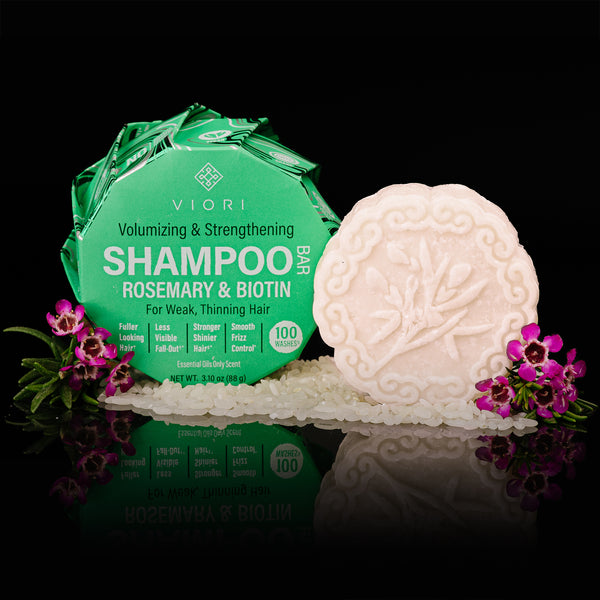
This contrasts sharply with ingredients that have a strong foundation in both traditional use and modern clinical science. For instance, the key nutrients found in fermented rice water-such as inositol (Vitamin B8) and panthenol (Vitamin B5)-have third-party clinical studies backing their role in strengthening hair and supporting healthy growth.
A Professional's Perspective on Ingredient Selection
When considering any ingredient for a hair regrowth journey, I advise clients to look for a combination of three things: historical precedent, transparent ingredient sourcing, and scientific validation. An ingredient working in isolation is different from one working synergistically within a carefully formulated system.
The most effective hair care strategies address the scalp's health holistically. This includes:
WHAT CUSTOMERS ARE SAYING
Real reviews for Rosemary Biotin Shampoo Bar – Thinning Hair | VIORI
- Using pH-balanced formulas that don't strip natural oils.
- Incorporating proteins and vitamins that nourish the follicle.
- Selecting ingredients known to support the hair growth cycle.
For example, a formula that combines strengthening hydrolyzed rice protein, scalp-soothing aloe vera, and moisturizing shea and cocoa butters addresses multiple factors that contribute to thinning or lackluster hair.
Conclusion
While castor oil may offer moisturizing and scalp-conditioning benefits as part of a broader hair care regimen, it should not be relied upon as a standalone solution for significant hair regrowth based on current clinical evidence. For those seeking tangible results, I recommend focusing on comprehensive, nutrient-dense hair care systems that are rooted in proven traditions and formulated with integrity. The goal is to nourish the scalp environment consistently, which is the true foundation for healthy, resilient hair growth over time.


