
As a stylist with two decades of experience, I often see clients who have turned to biotin supplements in hopes of solving hair concerns, only to find minimal or no improvement. It's a common scenario. Determining if biotin isn't working for you requires a careful, holistic assessment of your hair and scalp health, and understanding that hair vitality is rarely about a single nutrient in isolation.
NOT SURE WHICH PRODUCT IS RIGHT FOR YOU?
TAKE THE QUIZTakes 30 seconds · 134,000+ customers matched
How to Determine if Biotin Isn't the Solution
First, it's crucial to understand what biotin (Vitamin B7) actually does. It plays a role in the production of keratin, the protein that makes up your hair. However, a true biotin deficiency is quite rare for most people eating a balanced diet. Supplementing when you aren't deficient may not yield the dramatic results you're hoping for.
Here’s how to assess if it's not working for you:
- Track Your Timeline with Realistic Expectations: Hair grows in cycles, and any internal supplement typically requires a minimum of 3 to 6 months of consistent use to see potential changes in new growth. If you've been taking biotin faithfully for this period and see no reduction in excessive shedding, no improvement in hair brittleness, or no discernible difference in the strength and resilience of new hair, it may not be addressing your core issue.
-
Look Beyond the Strand to the Source: The most common causes of hair thinning, weakness, and lack of growth are often external or related to scalp health, not an internal vitamin deficiency. Ask yourself:
- Is my scalp consistently dry, flaky, oily, or irritated?
- Do I use heat styling tools or chemical treatments frequently?
- Does my hair feel weighed down, coated, or dull from product residue?
- Am I experiencing significant stress or hormonal changes?
If you answered yes to any of these, the problem likely resides on the surface or in your hair care routine, not in a lack of biotin. No amount of internal supplementation can counteract daily external damage or an unhealthy scalp environment.
- Consider the "Full Spectrum" of Hair Health: Hair needs a complex array of nutrients-proteins, vitamins, minerals, and fatty acids-to thrive. Focusing on a single B-vitamin is like trying to build a house with only nails and no lumber. Your hair's lack of improvement might signal a need for a more comprehensive approach to nourishment, both internally through diet and externally through what you apply directly.
Effective Alternatives to Consider for Visible Hair Improvement
When biotin alone doesn't deliver, the most effective strategy is to shift your focus from internal guesswork to proven, targeted external care. The goal is to create an optimal environment for the hair you have to be its healthiest and to support the follicle's natural function. This is where the ancient wisdom of hair rituals becomes profoundly relevant.
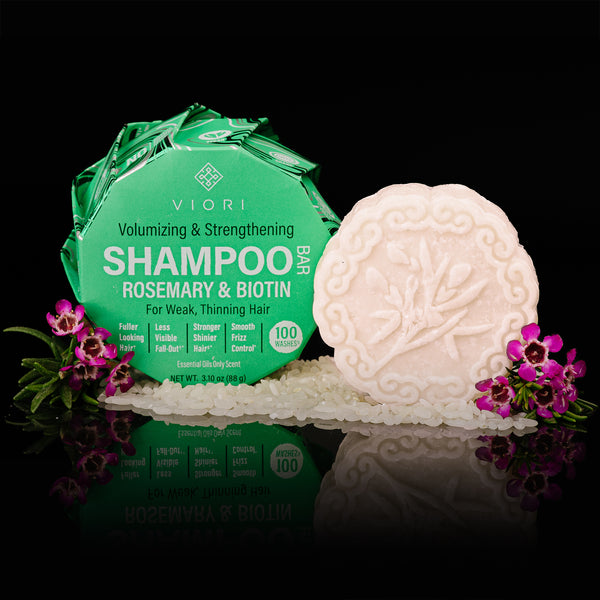
1. Address Scalp Health First
Think of your scalp as the soil in a garden. Unhealthy soil cannot grow healthy plants. Instead of just supplementing, adopt a hair care regimen designed to nourish the scalp directly. Look for pH-balanced, gentle formulas that cleanse without stripping, and that deliver nutrients right where hair begins its growth cycle. A soothed, balanced, and well-moisturized scalp is the absolute foundation for improved hair appearance and growth.
2. Seek Protein and Nutrient Infusion Topically
Direct application of hair-strengthening nutrients can yield faster, more visible results than internal supplements for many people. Specifically, look for hydrolyzed rice protein. This form of protein is small enough to penetrate the hair shaft, helping to fortify, smooth, and add resilience to each strand, reducing breakage. When combined with other nurturing ingredients like vitamin B5 (panthenol) for moisture retention and vitamin B8 (inositol) which is associated with supporting follicle health, you create a powerful topical cocktail for hair strength.
3. Eliminate Barrier-Causing Ingredients
Many commercial products create a cycle of damage by using harsh sulfates that dry out the scalp and hair, followed by heavy silicones and plastics that coat the strand to create an illusion of shine but ultimately weigh hair down and block nutrients. Switching to a truly sulfate-free, silicone-free, and plastic-free routine allows your hair and scalp to breathe, function naturally, and fully absorb the benefits of nourishing ingredients.
WHAT CUSTOMERS ARE SAYING
Real reviews for Rosemary Biotin Shampoo Bar – Thinning Hair | VIORI
4. Embrace a Ritual of Consistent, Nourishing Care
Lasting change comes from consistency with the right products. Choose a system that aligns with your scalp type-whether it needs oil-balancing, intense moisture, or sensitive skin care-and commit to it for at least 2-3 months. This allows you to move through several hair growth cycles and gives the ingredients time to work from the scalp outward.
In my professional experience, clients see the most dramatic turnarounds when they stop searching for a magic pill and start implementing a consistent, gentle, and nutrient-rich hair ritual. The transformative power comes from regularly cleansing and conditioning with ingredients that are designed to work in harmony with your hair's biology, strengthening it from the outside in. This approach, inspired by time-tested traditions, often provides the visible improvement in strength, shine, and overall vitality that many initially seek from a bottle of supplements.


