
As a professional stylist with two decades of experience, I often have clients ask about the role of specific nutrients, like biotin, in the health and growth of their hair. It's a fantastic question because understanding the hair growth cycle is key to understanding how any internal or external factor can influence it.
NOT SURE WHICH PRODUCT IS RIGHT FOR YOU?
TAKE THE QUIZTakes 30 seconds · 134,000+ customers matched
The Three Phases of Hair Growth
Let's start with the basics. Your hair doesn't grow continuously; it cycles through three distinct phases:
- Anagen (Growth Phase): This is the active growth period, which can last anywhere from 2 to 7 years. The length of this phase is largely genetically determined and dictates how long your hair can grow. The hair follicle is actively dividing and pushing out the hair shaft.
- Catagen (Transition Phase): A very short phase lasting about 2-3 weeks. Growth stops, and the hair follicle shrinks and detaches from the blood supply, forming what's known as a "club hair."
- Telogen (Resting/Shedding Phase): Lasting around 3 months, the club hair rests in the follicle. At the end of this phase, the hair is shed, and the follicle re-enters the anagen phase to begin growing a new hair. It's normal to shed 50-100 telogen hairs per day.
Biotin's Role in the Growth Cycle
Biotin, also known as Vitamin B7 or Vitamin H, is a water-soluble B-vitamin that acts as a crucial coenzyme in the body. It plays a vital role in the metabolism of amino acids (the building blocks of protein) and fatty acids, and it aids in cellular energy production.
Since hair is primarily made of a protein called keratin, adequate protein synthesis is non-negotiable for strong, healthy hair growth. Biotin supports the metabolic pathways that create keratin. Think of it as a facilitator: it helps ensure your body has the necessary tools and energy to efficiently build hair proteins during the active anagen phase.
The theory is that a biotin deficiency could potentially shorten the anagen phase or lead to the production of weaker, more brittle hair that is prone to breakage. This breakage can create the illusion that your hair isn't growing, when in reality, it's breaking off before it can reach a noticeable length. By correcting a deficiency, biotin may help support a healthier, more robust anagen phase and improve the keratin infrastructure, leading to hair that is more resilient and can better withstand the growth cycle.
A Critical Nuance from a Professional Perspective
It's essential to understand that biotin is most effective for hair growth when there is a pre-existing biotin deficiency. True biotin deficiencies are relatively rare in individuals with a balanced diet. However, for individuals with adequate biotin levels, supplementing with high doses is unlikely to accelerate the hair growth cycle or dramatically increase the rate of growth beyond your genetic predisposition.
What biotin can do in a non-deficient state is help optimize the quality of the hair being produced-potentially making it thicker in diameter, stronger, and less prone to breakage, which allows you to retain more of the length you grow.
The Synergy of Internal Nutrition and External Care
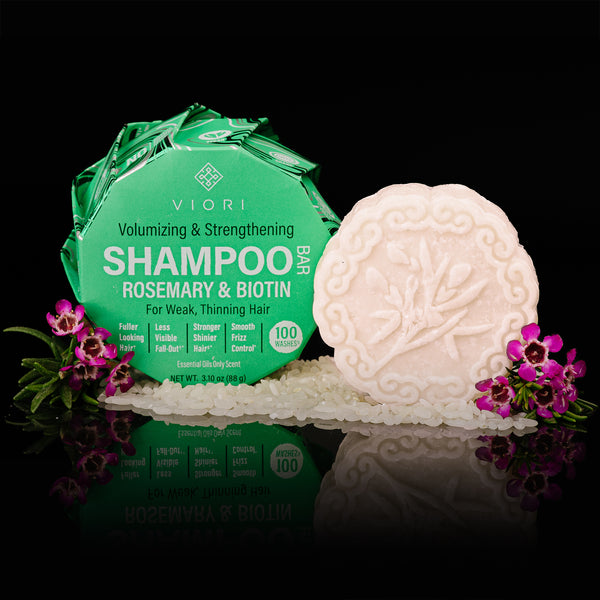
In my practice, I see the best results when internal nourishment is paired with a gentle, supportive hair care routine. This is where the philosophy behind nourishing hair care aligns beautifully. While not a source of biotin, a regimen focused on scalp health and hair strength utilizes other clinically studied nutrients vital for the hair growth cycle.
WHAT CUSTOMERS ARE SAYING
Real reviews for Rosemary Biotin Shampoo Bar – Thinning Hair | VIORI
For instance, ingredients like inositol (Vitamin B8) and panthenol (Vitamin B5) are renowned for their ability to strengthen hair, improve elasticity, and provide antioxidant protection to the scalp and follicle. A healthy, soothed, and balanced scalp environment is the foundational canvas from which all hair grows. By removing harsh sulfates and chemicals that can cause inflammation and using nourishing ingredients, you're creating the optimal external conditions to support the anagen phase and minimize unnecessary shedding or breakage.
Final Thoughts
In summary, biotin is a key player in the protein synthesis necessary for hair formation during the anagen growth phase, particularly if you are deficient. For most, its role is to support hair strength and integrity rather than to speed up the cycle itself. For comprehensive hair wellness, consider pairing a balanced diet rich in essential vitamins with a hair care regimen that respects and nourishes both your hair and scalp throughout its natural growth cycle. Always consult with a healthcare professional before starting any new supplement to address your specific needs.


