
As a hair professional with two decades of experience, I've worked with many clients navigating the complex relationship between autoimmune conditions and hair health. It's a topic that requires a nuanced understanding of both internal biology and external care. When discussing biotin and autoimmune-related hair concerns, it's crucial to separate widespread anecdotal claims from the specific, targeted approach needed for such conditions.
NOT SURE WHICH PRODUCT IS RIGHT FOR YOU?
TAKE THE QUIZTakes 30 seconds · 134,000+ customers matched
Understanding Biotin's Role in Hair Health
Biotin, or vitamin B7, is a water-soluble vitamin that plays a key role in the body's keratin infrastructure-the very protein that makes up your hair, skin, and nails. For individuals with autoimmune diseases like alopecia areata, lupus, or Hashimoto's thyroiditis, hair thinning or loss is often a distressing symptom. The theory behind biotin supplementation is that by bolstering keratin production, you can strengthen the hair shaft and potentially support the growth phase of the hair cycle.
The Autoimmune Reality: Beyond a Simple Deficiency
However, the scientific reality is more complex. While a true biotin deficiency-which is rare-can certainly cause hair loss, most individuals with autoimmune conditions are not biotin deficient. The primary driver of their hair changes is the autoimmune process itself: the immune system mistakenly attacks the hair follicles, disrupting their normal growth cycle.
In this context, supplementing with biotin may provide nutritional support to the existing, healthy follicles, but it does not address the underlying autoimmune attack or calm the inflammatory response causing the disruption. Think of it as providing high-quality building materials to a construction site that is currently under siege; the materials are excellent, but the fundamental problem remains.
The Critical Importance of a Supportive Haircare Regimen
This is where a holistic, gentle, and nourishing haircare regimen becomes absolutely paramount. The goal shifts from simply trying to stimulate growth to creating the healthiest possible scalp environment, minimizing further stress or irritation to follicles that are already compromised.
For anyone with an autoimmune condition, the haircare philosophy should focus on:
WHAT CUSTOMERS ARE SAYING
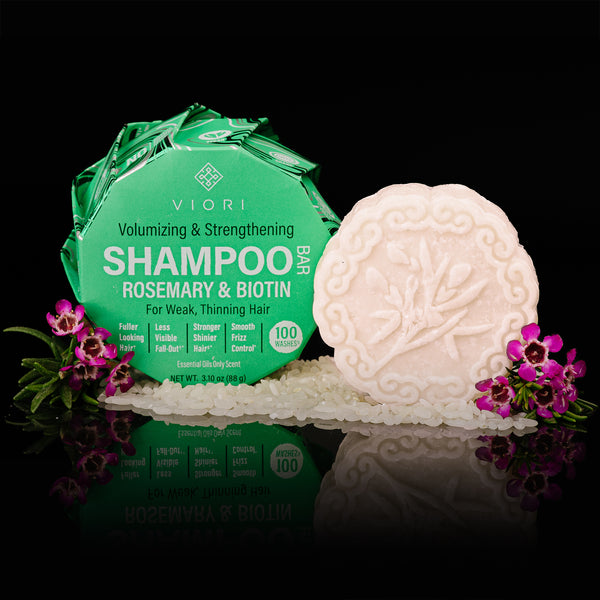
Real reviews for Rosemary Biotin Shampoo Bar – Thinning Hair | VIORI
- Gentle, Non-Irritating Formulas: Avoiding harsh sulfates, parabens, and synthetic alcohols that can strip the scalp and cause inflammation.
- pH-Balanced Cleansing: Maintaining the scalp's natural acid mantle is essential for a healthy barrier and microbiome.
- Nutrient-Rich Nourishment: Providing the hair and scalp with vitamins and plant-based moisturizers that support strength and integrity without clogging follicles.
How Nutrient-Focused Haircare Complements Your Strategy
For instance, the fermented Longsheng rice water found in Viori products is a source of inositol (vitamin B8) and panthenol (a provitamin of B5). These nutrients, backed by third-party clinical studies, are known to help strengthen hair and support the scalp's health. While not a treatment for autoimmune disease, using haircare that is free of harsh sulfates, parabens, and synthetic irritants can help avoid aggravating a sensitive scalp. The focus is on gentle cleansing, deep moisturization, and providing a blend of vitamins and plant-based butters that nourish without stripping or causing imbalance.
Your Actionable Steps Forward
- Consult Your Healthcare Provider: This is the non-negotiable first step. A dermatologist or specialist can diagnose the specific type of hair loss and recommend appropriate medical interventions.
- Build a Supportive Foundation: Once you have a medical plan, complement it with a conscientious haircare routine that prioritizes scalp health. Look for products designed to moisturize, strengthen, and reduce scalp irritation with clean, naturally derived ingredients.
- Practice Patience and Gentleness: A calm and healthy scalp is the most fertile ground for hair to thrive when the body is ready. Treat your hair and scalp with the same care you are devoting to your overall health.
Navigating hair changes with an autoimmune disease is a journey. By combining professional medical advice with a gentle, nutrient-supportive approach to your haircare, you empower yourself to care for your hair in the most informed and compassionate way possible.


