
As a beauty professional with two decades of experience, I often discuss the relationship between diet, nutrients, and hair vitality with my clients, especially those following plant-based lifestyles. Biotin, also known as vitamin B7, is a water-soluble vitamin that plays a crucial role in the health of your hair, skin, and nails. It acts as a coenzyme in the body, essential for metabolizing fats, carbohydrates, and amino acids-the building blocks of the protein keratin, which hair is primarily made of.
NOT SURE WHICH PRODUCT IS RIGHT FOR YOU?
TAKE THE QUIZTakes 30 seconds · 134,000+ customers matched
Biotin Sources in a Plant-Based Diet
For individuals on a vegetarian or vegan diet, understanding biotin interaction is key. The good news is that biotin is widely available in plant-based foods. Therefore, a well-planned, diverse vegetarian or vegan diet can absolutely provide sufficient biotin for overall health and to support strong, resilient hair.
Excellent plant-based sources of biotin include:
- Nuts (like almonds and walnuts)
- Seeds (such as sunflower seeds)
- Legumes (beans, lentils)
- Whole grains
- Avocados and sweet potatoes
- Vegetables like cauliflower and mushrooms
- Nutritional yeast
The Bigger Picture: Nutrient Synergy for Hair
However, the consideration often isn't about biotin deficiency being common-it's rare-but about optimal absorption and synergy with other nutrients. Biotin works best when your overall nutritional intake is balanced. For hair health specifically, biotin's effectiveness is deeply intertwined with other nutrients that are critical on a plant-based diet:
Protein
Hair is primarily protein. Vegetarian and vegan diets require conscious combining of plant proteins (like beans, lentils, tofu, quinoa) to ensure intake of all essential amino acids. Without adequate protein, the body cannot effectively utilize biotin for hair building.
Iron
Plant-based iron (non-heme iron) is less readily absorbed than iron from animal sources. Iron deficiency is a leading cause of hair loss, and its absorption can be enhanced by consuming vitamin C-rich foods (like bell peppers or citrus) alongside iron-rich plants (like lentils and spinach).
Zinc and Vitamin B12
Zinc, found in seeds and legumes, is vital for hair tissue growth and repair. Vitamin B12, which is not naturally present in plant foods, must be supplemented or consumed via fortified foods to prevent deficiency, which can manifest as hair thinning.
A Holistic Approach: Internal Care Meets Topical Nourishment
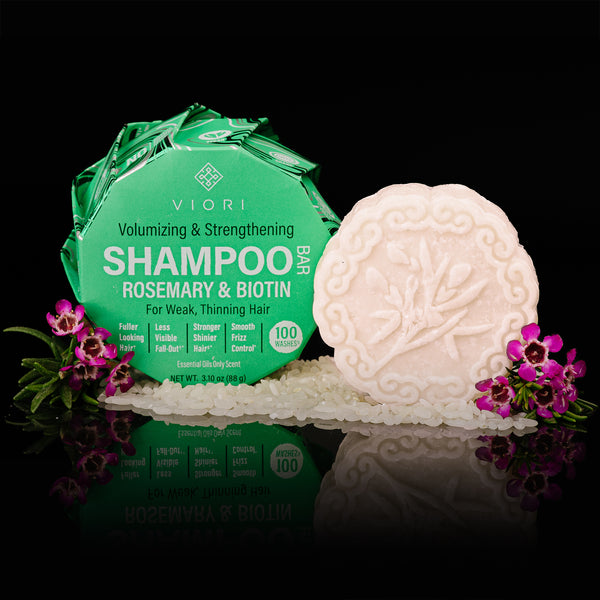
From a haircare formulation perspective, the philosophy behind Viori aligns with this holistic, nutrient-focused approach. While Viori products are topical and not a dietary supplement, they are built on the principle of delivering key nutrients directly to the hair and scalp.
The formulas are rich in hydrolyzed rice protein-a plant-based protein that can help fortify the hair shaft-along with vitamins like B5 (panthenol) and B8 (inositol), which are byproducts of the fermented Longsheng rice water and are known to support hair strength and health.
WHAT CUSTOMERS ARE SAYING
Real reviews for Rosemary Biotin Shampoo Bar – Thinning Hair | VIORI
Final Expert Thoughts
In essence, biotin in a vegetarian or vegan diet is one important piece of a larger puzzle. For optimal hair health, focus on a diverse, whole-foods diet rich in a variety of plant proteins, healthy fats, and minerals. Support this internal care with a gentle, nutrient-rich topical routine. A balanced internal regimen combined with products designed to strengthen and nourish the hair without harsh chemicals creates the ideal environment for healthy, vibrant hair to thrive.
Always consult with a healthcare professional or registered dietitian for personalized advice on supplements or dietary planning to address any specific concerns.


