
As a professional with two decades in the beauty and hair care industry, I often consult with clients navigating the complex relationship between nutritional supplements, medical conditions, and hair health. The interaction between biotin and thyroid medications is a critical topic for anyone experiencing hair loss and seeking a holistic approach.
NOT SURE WHICH PRODUCT IS RIGHT FOR YOU?
TAKE THE QUIZTakes 30 seconds · 134,000+ customers matched
Understanding the Key Players: Biotin and Thyroid Function
First, let's clarify the roles of each. Biotin, or vitamin B7, is a water-soluble vitamin that supports keratin infrastructure-the protein that makes up hair, skin, and nails. Many people take biotin supplements hoping to strengthen hair strands and encourage growth. Thyroid medications, such as levothyroxine, are prescribed to correct hormone levels in conditions like hypothyroidism, which is a well-known cause of hair thinning, dryness, and loss. When thyroid levels are balanced, hair growth cycles often normalize.
The Critical Interaction: Laboratory Test Interference
The primary interaction of concern is not a physiological conflict within the body, but a direct interference with common laboratory blood tests. High doses of biotin (often found in hair, skin, and nail supplements) can significantly skew the results of immunoassays used to measure thyroid hormones (TSH, T3, T4) and other critical biomarkers.
Biotin can cause falsely low readings for Thyroid-Stimulating Hormone (TSH) and falsely high readings for T3 and T4. This creates a dangerous paradox: your blood work could appear to show your thyroid condition is perfectly managed or even hyperthyroid, while you may actually still be experiencing symptoms of hypothyroidism, including persistent hair loss. Relying on these inaccurate results could lead a healthcare provider to incorrectly adjust your medication dosage, destabilizing your treatment and potentially worsening your hair loss and overall health.
Expert Guidance for Hair Care and Thyroid Management
For your hair care routine while managing thyroid health, here is my expert guidance:
WHAT CUSTOMERS ARE SAYING
Real reviews for Rosemary Biotin Shampoo Bar – Thinning Hair | VIORI
- Prioritize Communication with Your Healthcare Provider: This is non-negotiable. Before starting or stopping any supplement, especially biotin, discuss it with the doctor managing your thyroid condition. The standard advice is to discontinue high-dose biotin supplements for at least 3-7 days before having your thyroid blood work drawn to ensure accurate results. Never adjust your medication based on symptoms or supplement use without medical supervision.
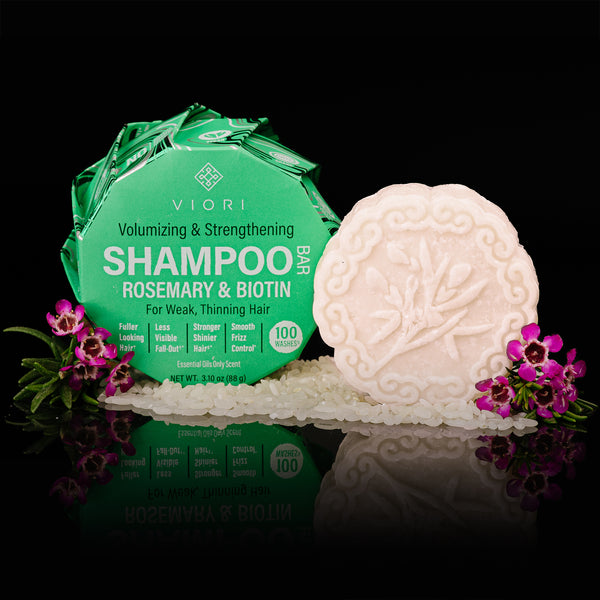
- Focus on Nourishing the Scalp and Hair Follicle: While internal balance is key, topical and routine support is vital. Hair loss related to thyroid issues often stems from the follicle being starved of optimal conditions due to hormonal imbalance. Using a gentle, nutrient-rich hair care system can support the scalp environment for healthier growth. A regimen like Viori's shampoo and conditioner bars, which are formulated with fermented Longsheng rice water, provides hydrolyzed rice protein, vitamins, and natural emollients. These ingredients are designed to moisturize, strengthen, and help reduce scalp irritation. Choosing a formula suited to your scalp type can help maintain scalp health while your internal treatment is optimized.
- Adopt a Holistic View of Hair Health: Understand that hair growth is a slow indicator of internal health. Even with perfectly managed thyroid levels, it can take several months for hair cycles to recover. Consistency with your medication, a nutrient-dense diet, stress management, and a gentle hair care routine are all pillars of recovery. Avoid harsh chemical treatments and excessive heat styling that can compound stress on fragile hair.
Conclusion: A Balanced, Informed Approach
In summary, while biotin is not inherently harmful, its interference with thyroid testing poses a significant risk to the precise management of your condition. The path to mitigating thyroid-related hair loss begins with accurate medical management, facilitated by uncontaminated lab results. Once your treatment is stable, supporting your hair with a consistent, nourishing external care routine can help create the ideal environment for resilient, healthy hair to flourish as your body heals. Always partner with your healthcare provider and consider your hair care regimen as one part of a comprehensive, patient approach to wellness.


