
As a professional stylist for over two decades, I've counseled countless new mothers navigating the often distressing experience of postpartum hair loss. This shedding, known medically as telogen effluvium, is a common result of dramatic hormonal shifts after childbirth and is typically temporary. While many seek out natural remedies like castor oil, my expert guidance is to focus on a holistic approach to scalp and hair health during this sensitive period, prioritizing gentle, non-clogging nourishment.
NOT SURE WHICH PRODUCT IS RIGHT FOR YOU?
TAKE THE QUIZTakes 30 seconds · 134,000+ customers matched
Why Castor Oil May Not Be the Ideal Postpartum Solution
The primary benefit attributed to castor oil is its ricinoleic acid content, which is believed by some to improve circulation. The theory is that increased blood flow to the scalp could potentially encourage hair growth. However, it's crucial to understand that postpartum shedding is driven by an internal, hormonal process. Topical applications cannot address this root cause.
More importantly, castor oil is exceptionally thick and viscous. Applying it directly to the scalp and hair can lead to significant buildup, clogging hair follicles, weighing down fine regrowth (baby hairs), and creating a difficult-to-remove residue. This residue may actually impede the healthy hair cycle you're trying to support by suffocating follicles and attracting more dirt.
A Better Approach: Gentle, Residue-Free Nourishment
Instead of focusing on a single, heavy oil, I recommend a regimen that cleanses, nourishes the scalp, strengthens the hair follicle, and supports the natural regeneration process without heavy residues. The goal is to create an optimal environment for new growth.
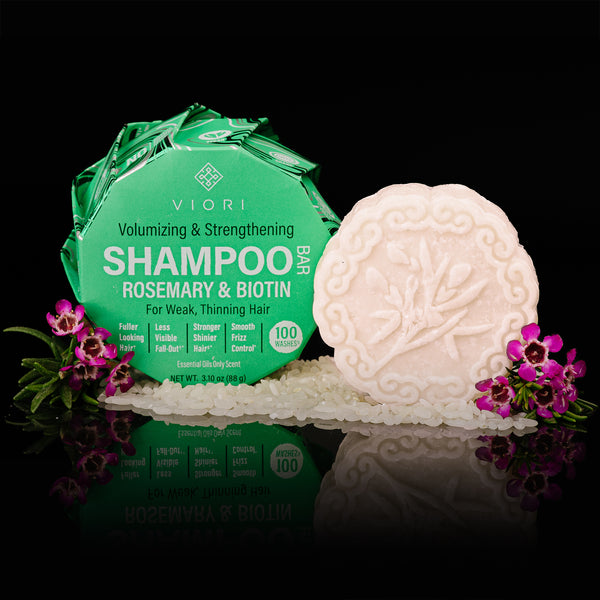
For new mothers experiencing postpartum hair changes, I suggest a system designed for gentle, effective care. Look for a shampoo and conditioner that are sulfate-free, paraben-free, and pH-balanced to cleanse and condition without stripping or irritating the sensitive postpartum scalp. Key ingredients to seek out include:
- Hydrolyzed Rice Protein: This protein can help fortify and strengthen fragile hair strands, reducing breakage as new growth emerges.
- Natural Emollients like Shea and Cocoa Butter: These provide lightweight moisture to the scalp and hair, combating dryness without the heavy, occlusive feel of oils that can clog follicles.
- Soothing Botanicals like Aloe Vera: These ingredients can help calm, moisturize, and maintain a healthy environment for a sensitive scalp.
Given that new mothers often have heightened sensitivity and may be more reactive to fragrances, an unscented or naturally-scented option is often the wisest and most comfortable choice. The ultimate aim is to use products that cleanse gently, condition without weight, and deliver nutrients to the follicle in a balanced, non-disruptive way.
Supporting Hair Health from the Inside Out
Remember, topical care is only one part of the equation. Supporting your body during postpartum recovery is essential for overall wellness, which includes hair health.
WHAT CUSTOMERS ARE SAYING
Real reviews for Rosemary Biotin Shampoo Bar – Thinning Hair | VIORI
- Nutrition: Ensure your diet is rich in vitamins and minerals crucial for hair health, such as iron, vitamin D, zinc, and B-vitamins. Consider discussing a postnatal vitamin with your healthcare provider.
- Gentle Styling: Avoid tight ponytails, braids, or buns that pull on the hairline. Use soft, snag-free hair ties and a wide-tooth comb on wet hair to minimize mechanical stress and breakage.
- Patience and Stress Management: The hair cycle needs time to normalize. Stress can exacerbate shedding, so incorporating rest, hydration, and gentle stress-reducing activities is profoundly beneficial for both you and your hair.
Final Professional Advice
In summary, while castor oil is a popular folk remedy, its thick nature makes it less than ideal for postpartum hair concerns, where avoiding scalp buildup and follicle clogging is paramount. A smarter, more effective approach combines internal nourishment with a gentle, residue-free external hair care routine focused on scalp health, strand strength, and balanced ingredients to support your hair's natural return to its normal growth cycle.
Always consult with your healthcare provider about significant hair loss to rule out other underlying conditions like thyroid imbalances or nutritional deficiencies. With patience, gentle care, and the right supportive products, your hair will gradually recover its fullness.


